Explore
The Red Sea
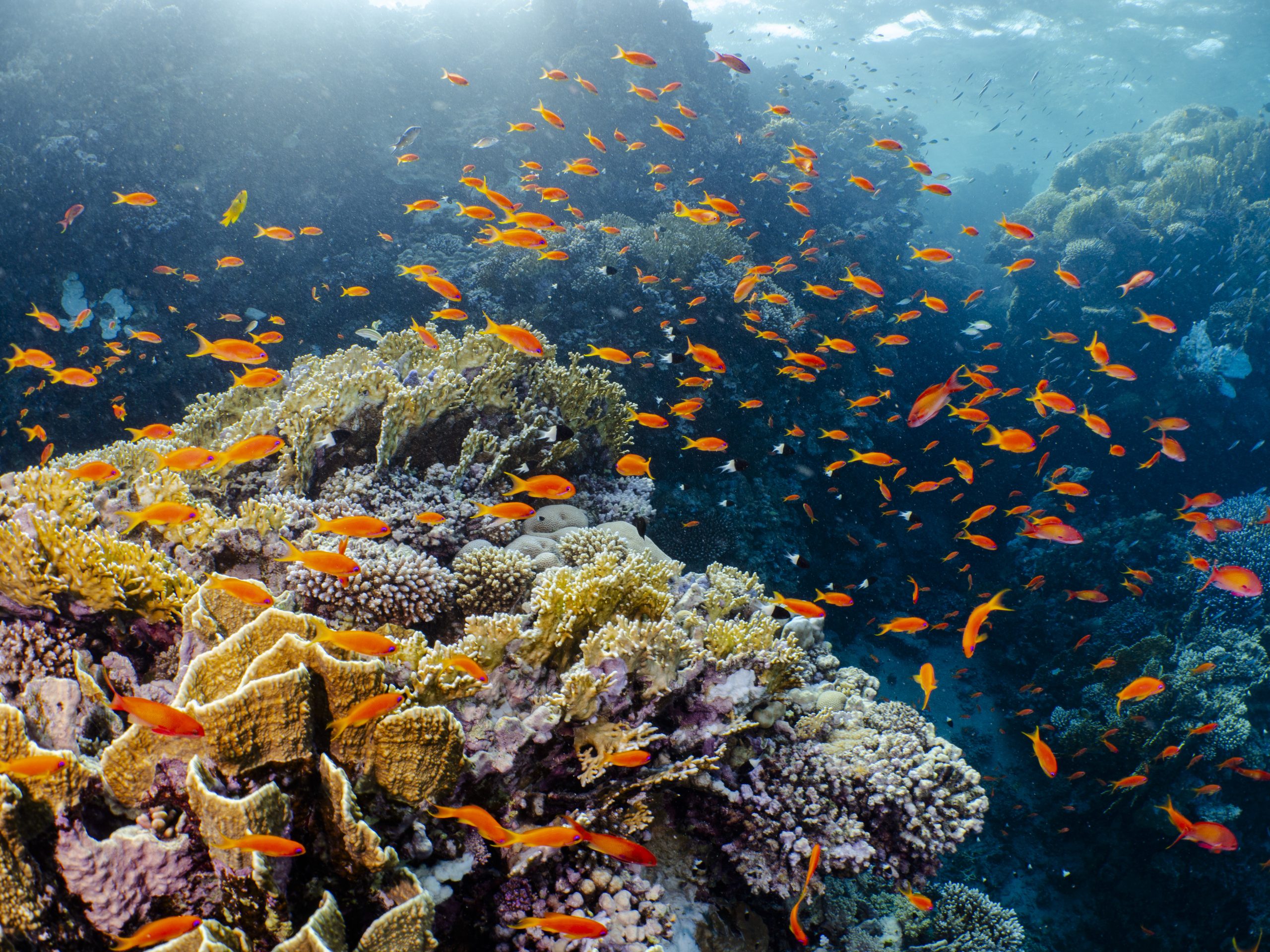
1,200+ fish species, 220+ coral types, and 40 m visibility in warm water year-round. Nine destinations along 1,800 km of Egyptian coastline — from beginner-friendly Hurghada to advanced drift dives at Ras Mohammed.
Explore destinations22 – 30 °C
Water temperature
40 m+
Visibility
Year-round
Dive season
Red Sea destinations

Hurghada
Family-friendly reefs & island hopping

Sharm El Sheikh
Ras Mohammed & world-class wall dives

Marsa Alam
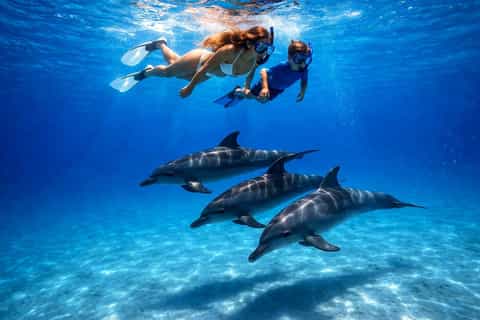
Dugongs, dolphins & pristine reefs

El Gouna
Lagoon town with kitesurfing & golf

Dahab
Blue Hole & laid-back freediving scene

Makadi Bay
All-inclusive bay with house reef

Sahl Hasheesh
Luxury bay & sunken city snorkeling

Soma Bay
Secluded peninsula with house reef

Safaga
Windsurfing & therapeutic black sand
Explore the Red Sea by activity
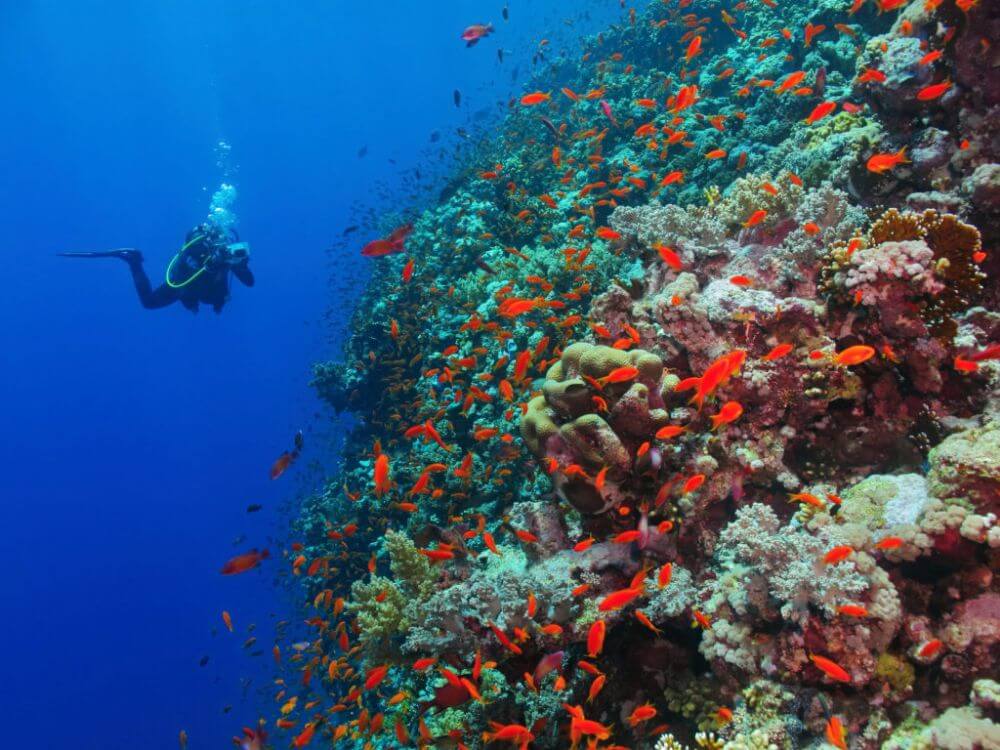
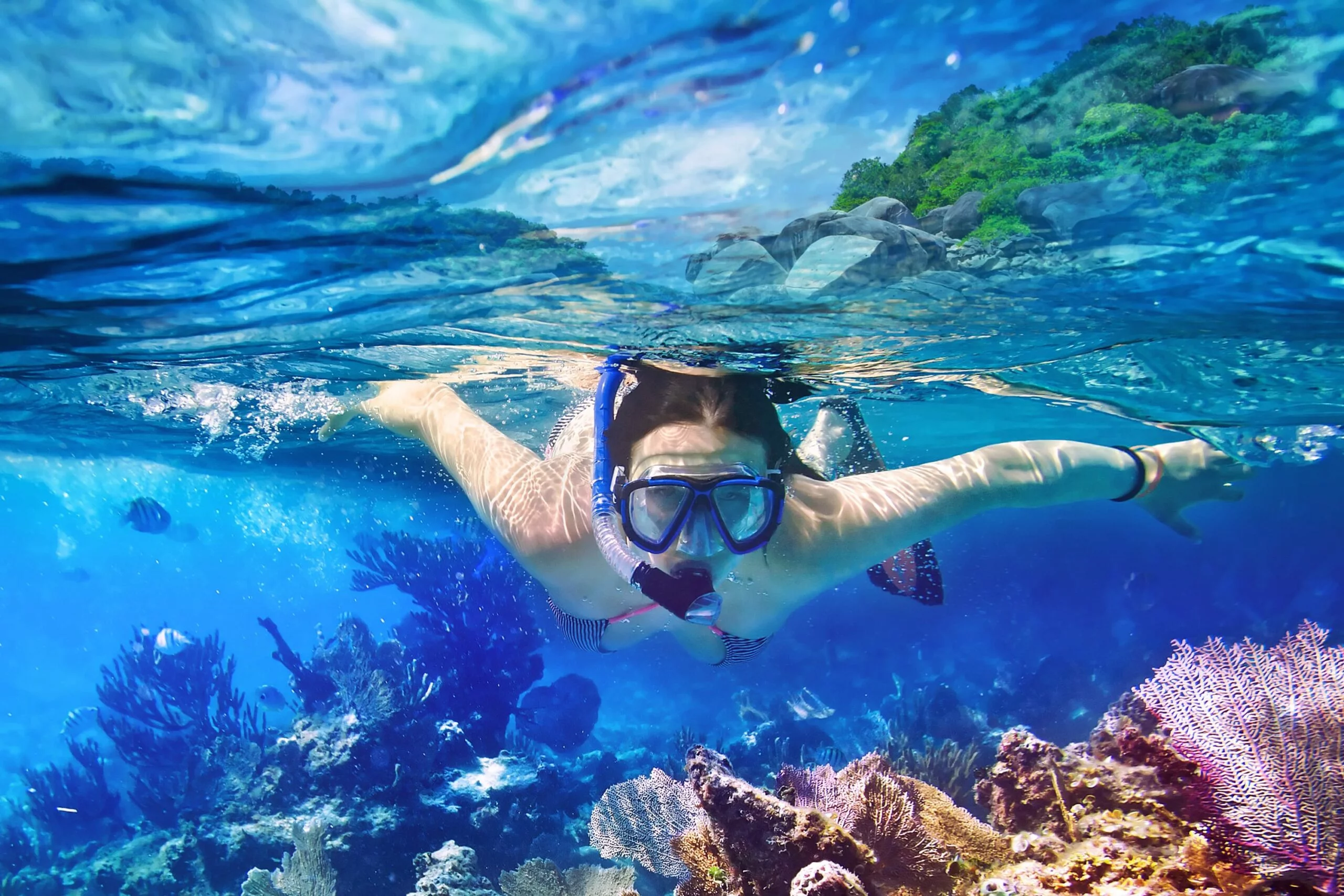
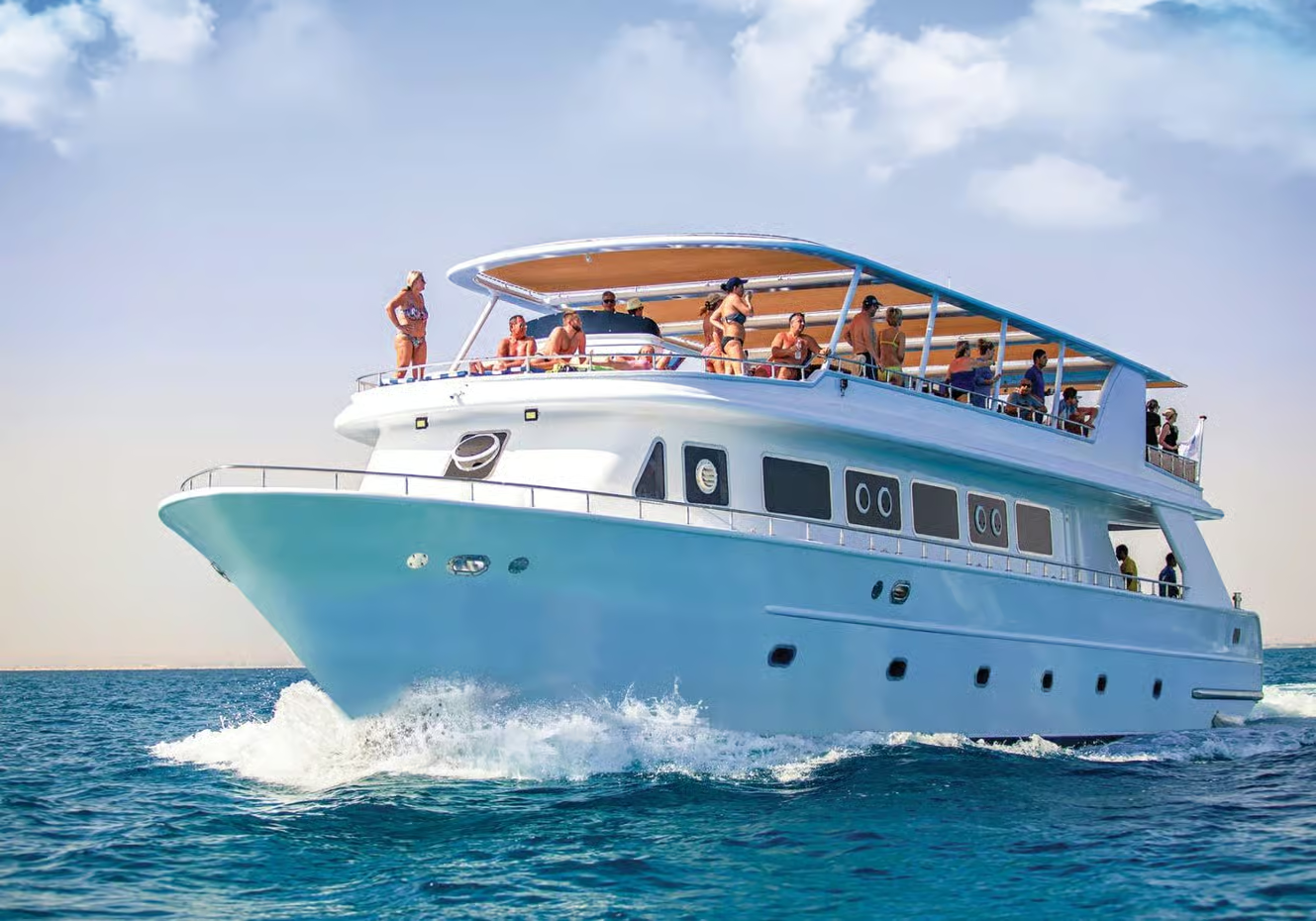
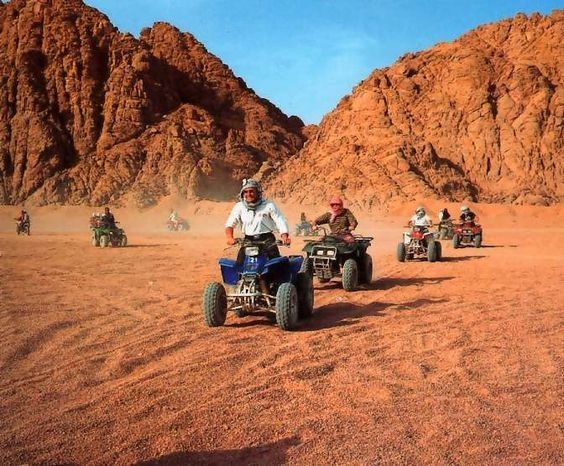
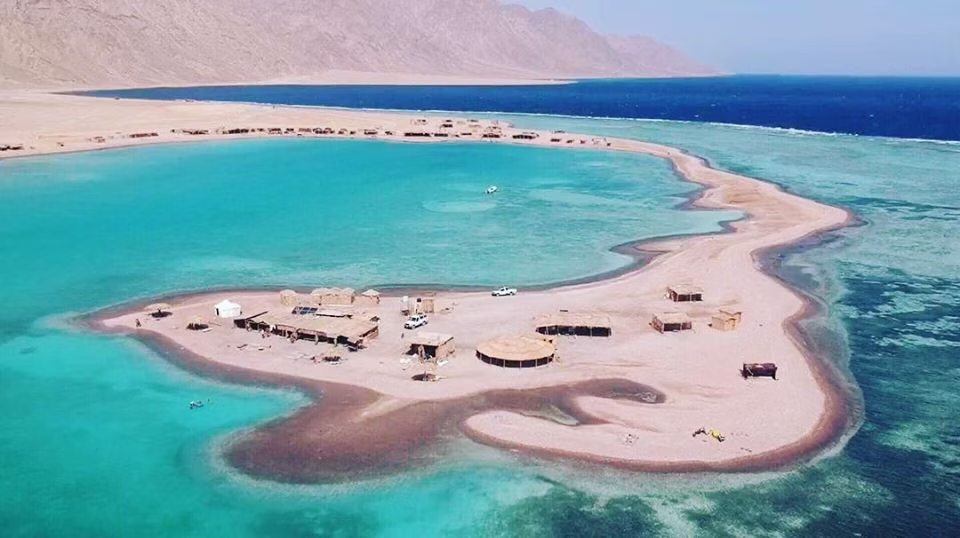

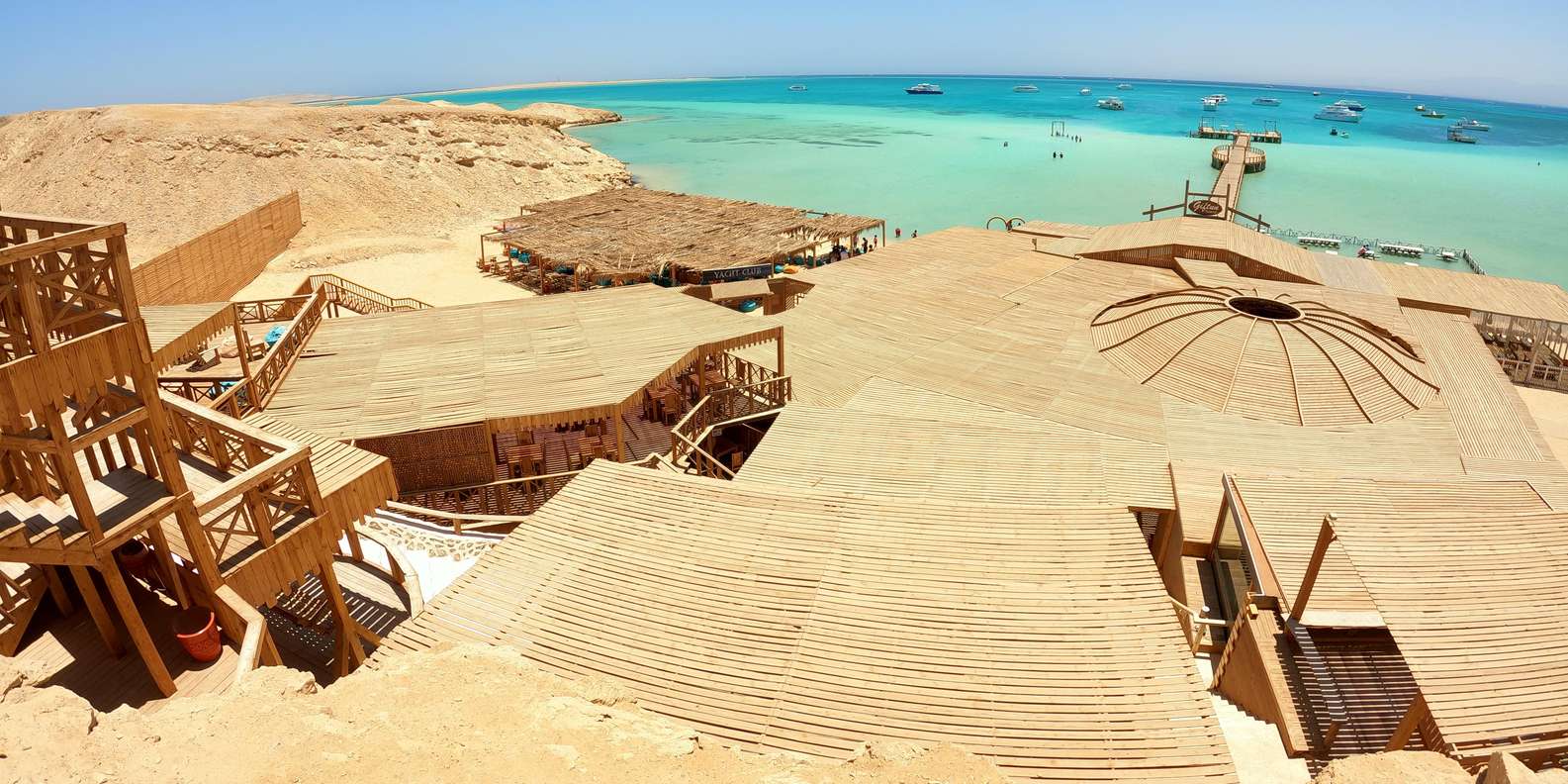
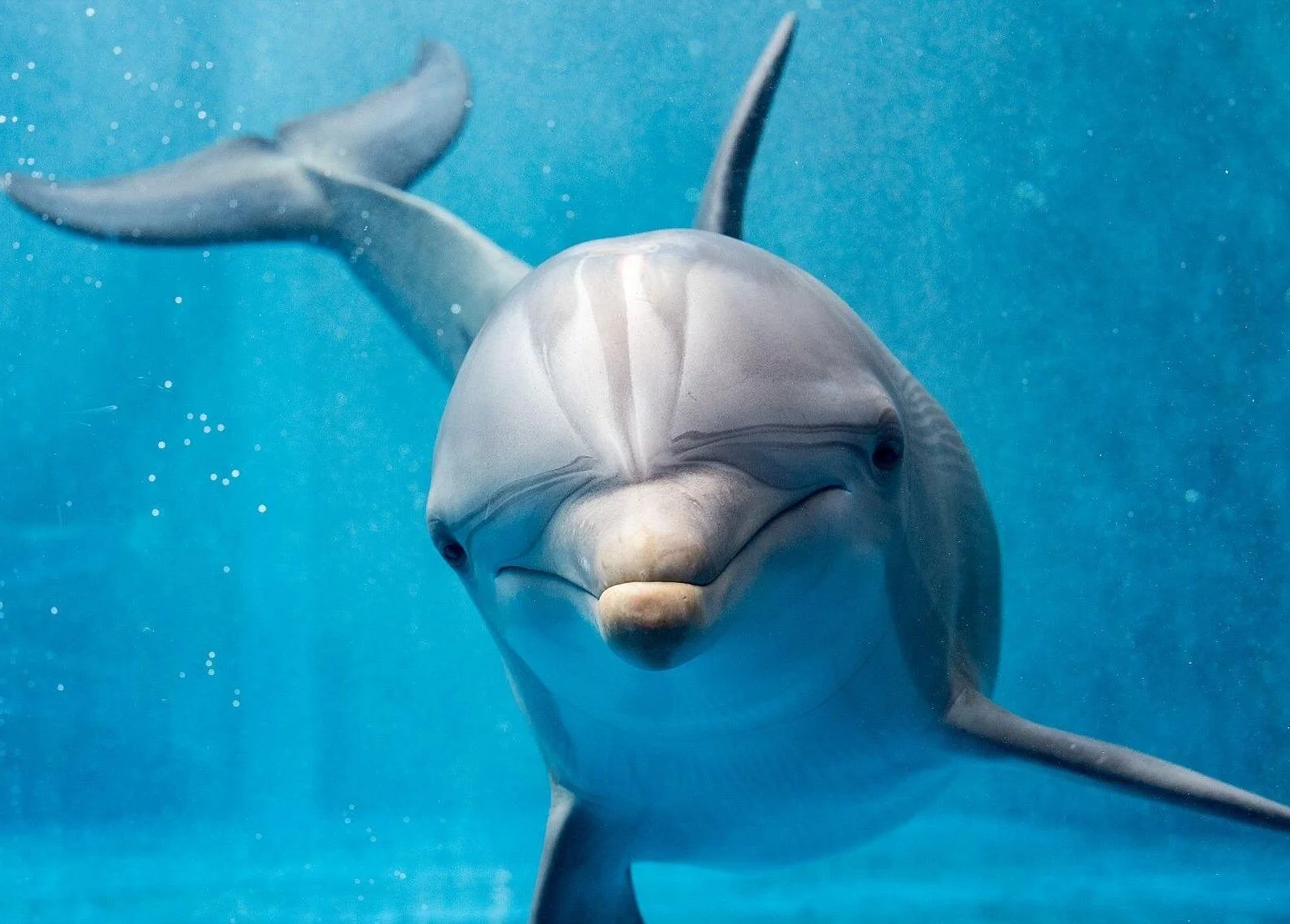
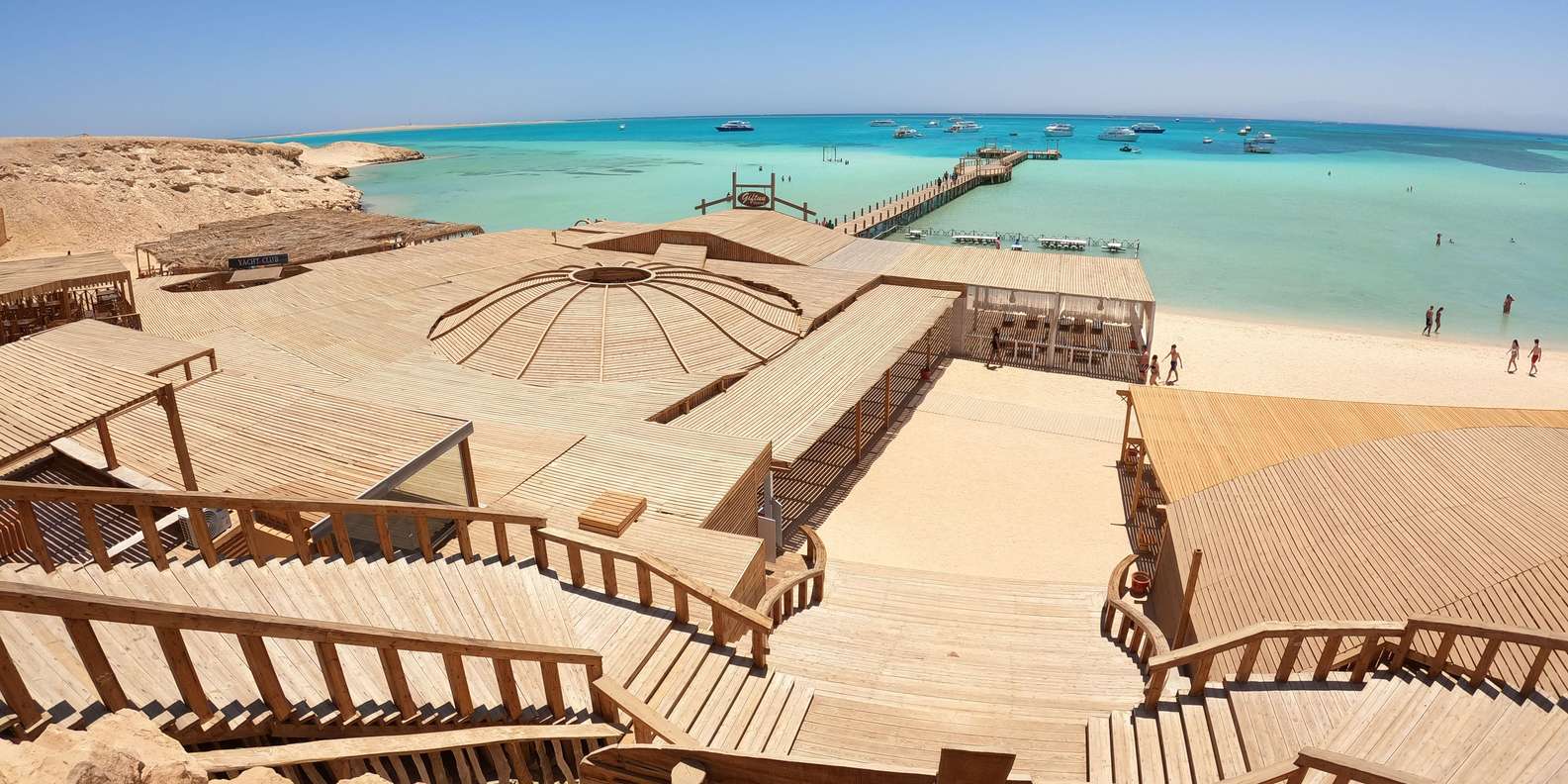
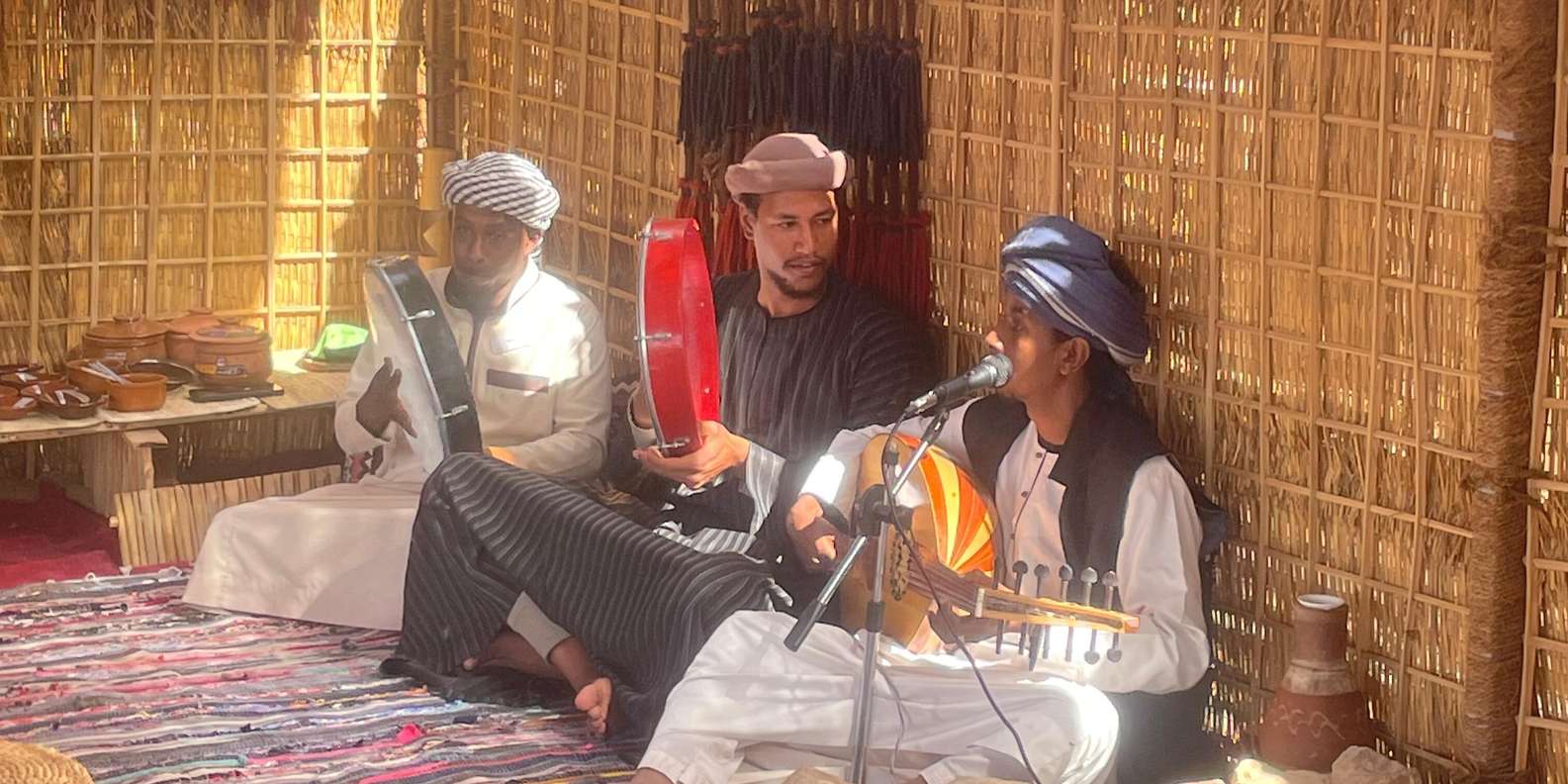
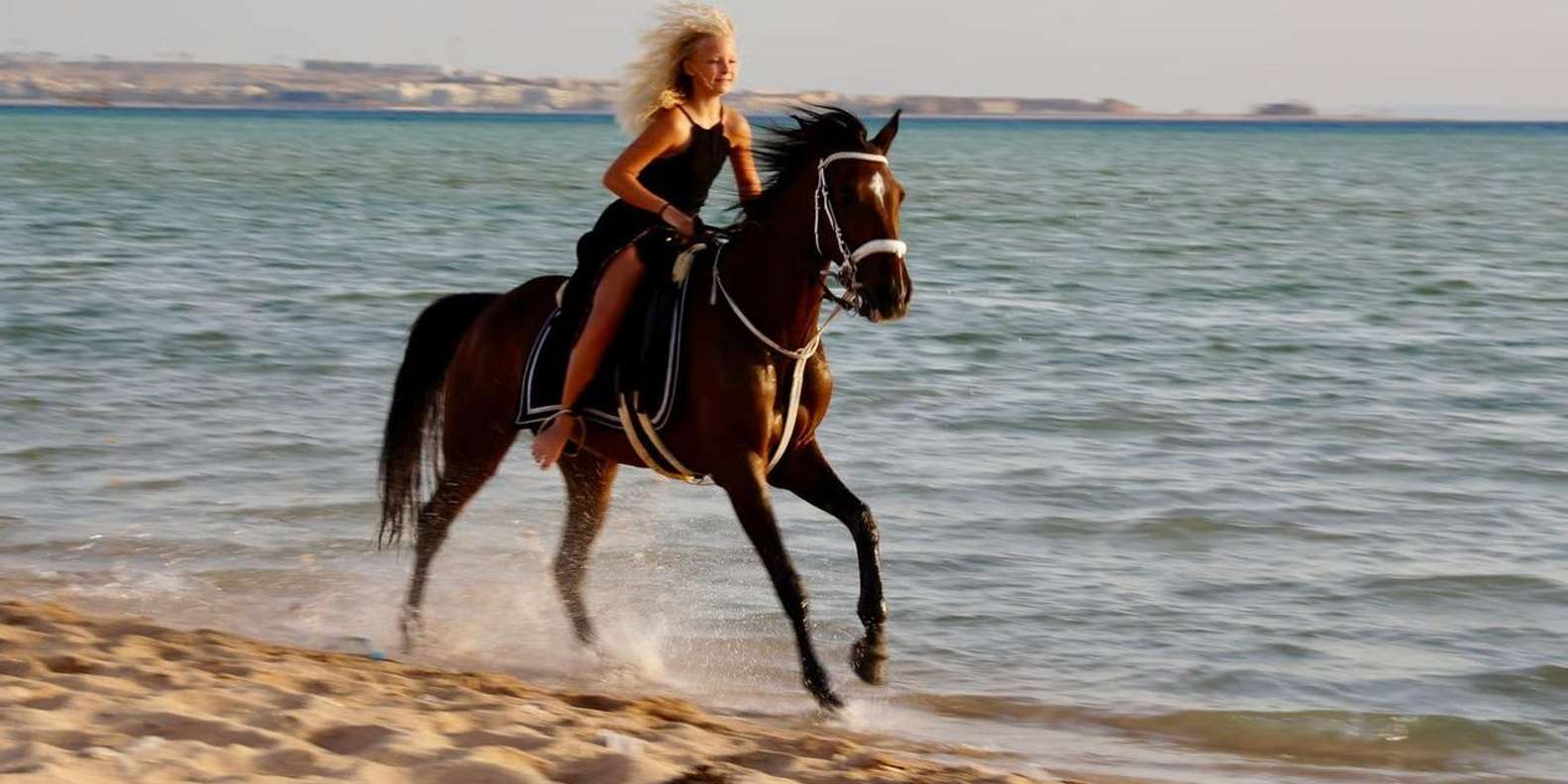
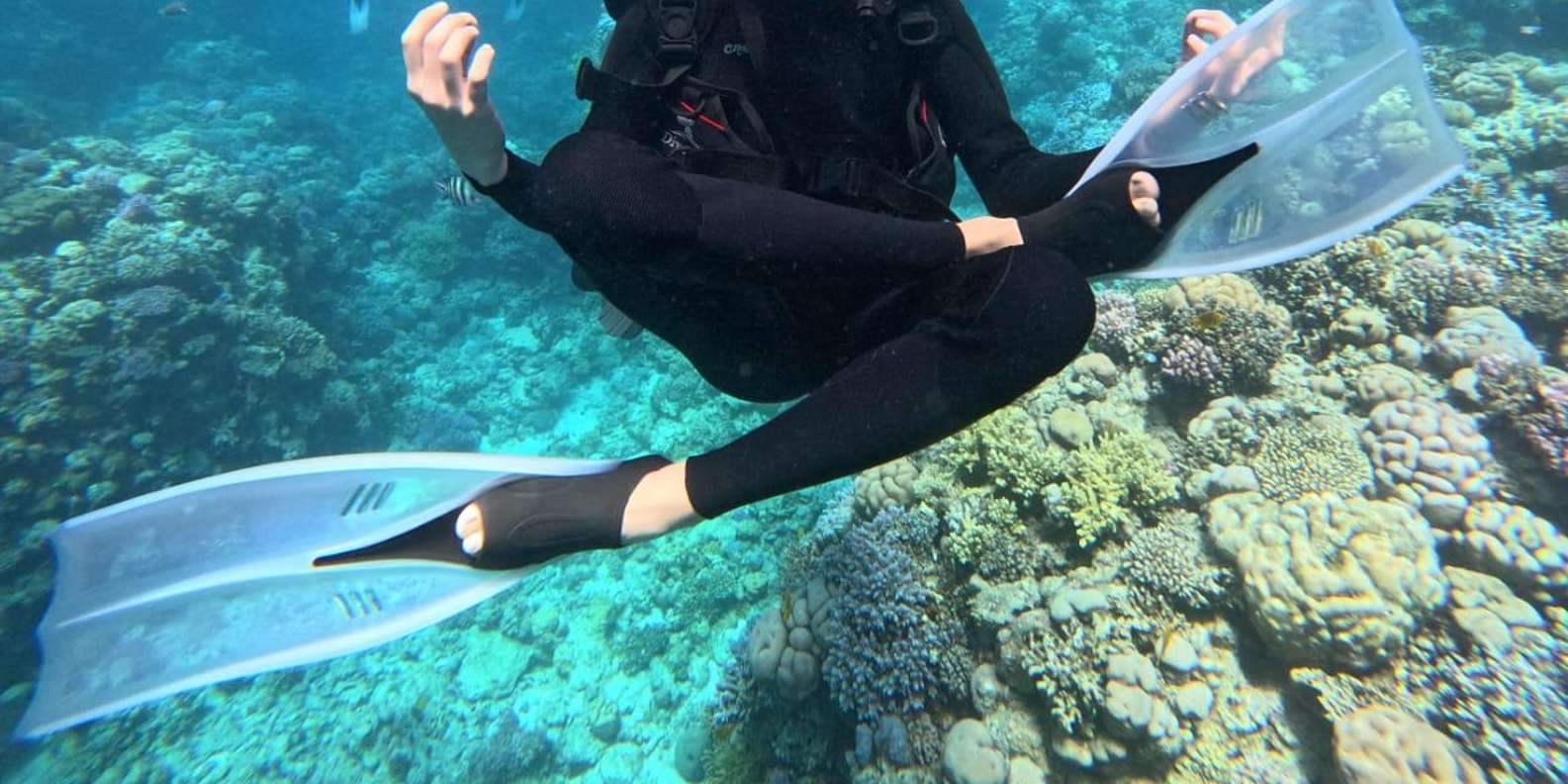
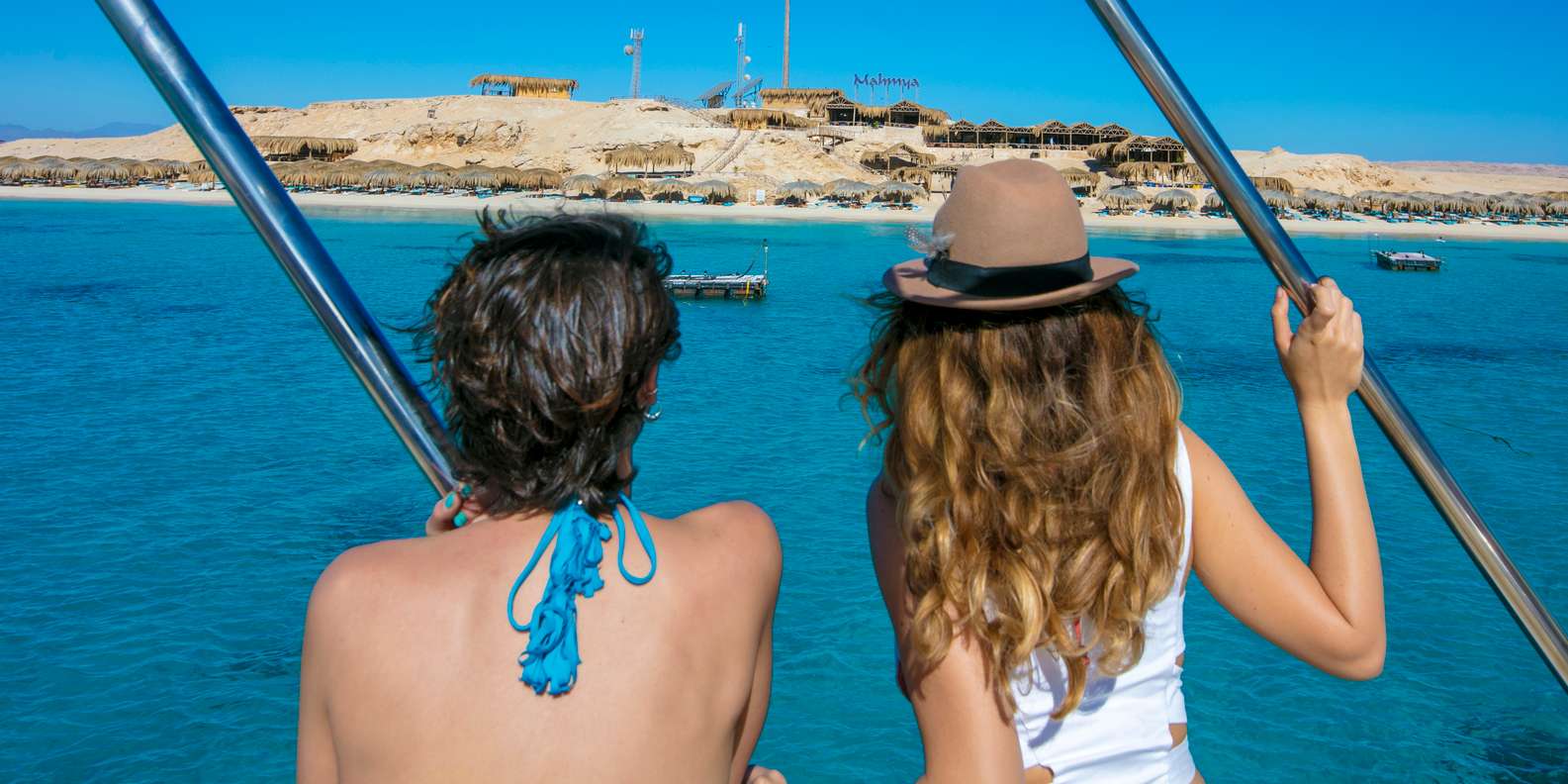
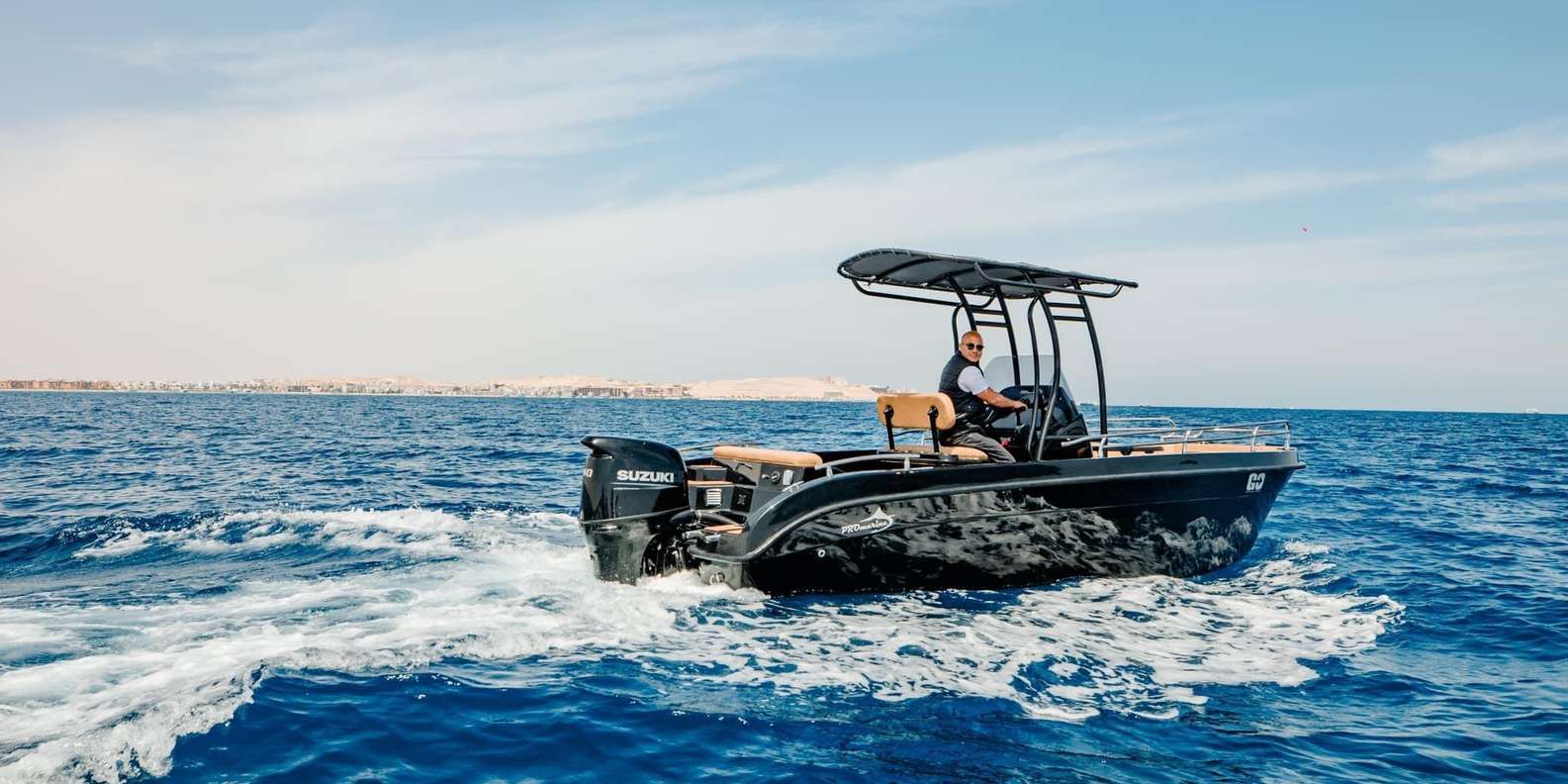
Three diving regions, one coastline
Beginners & families
Northern Red Sea
Hurghada · El Gouna · Safaga
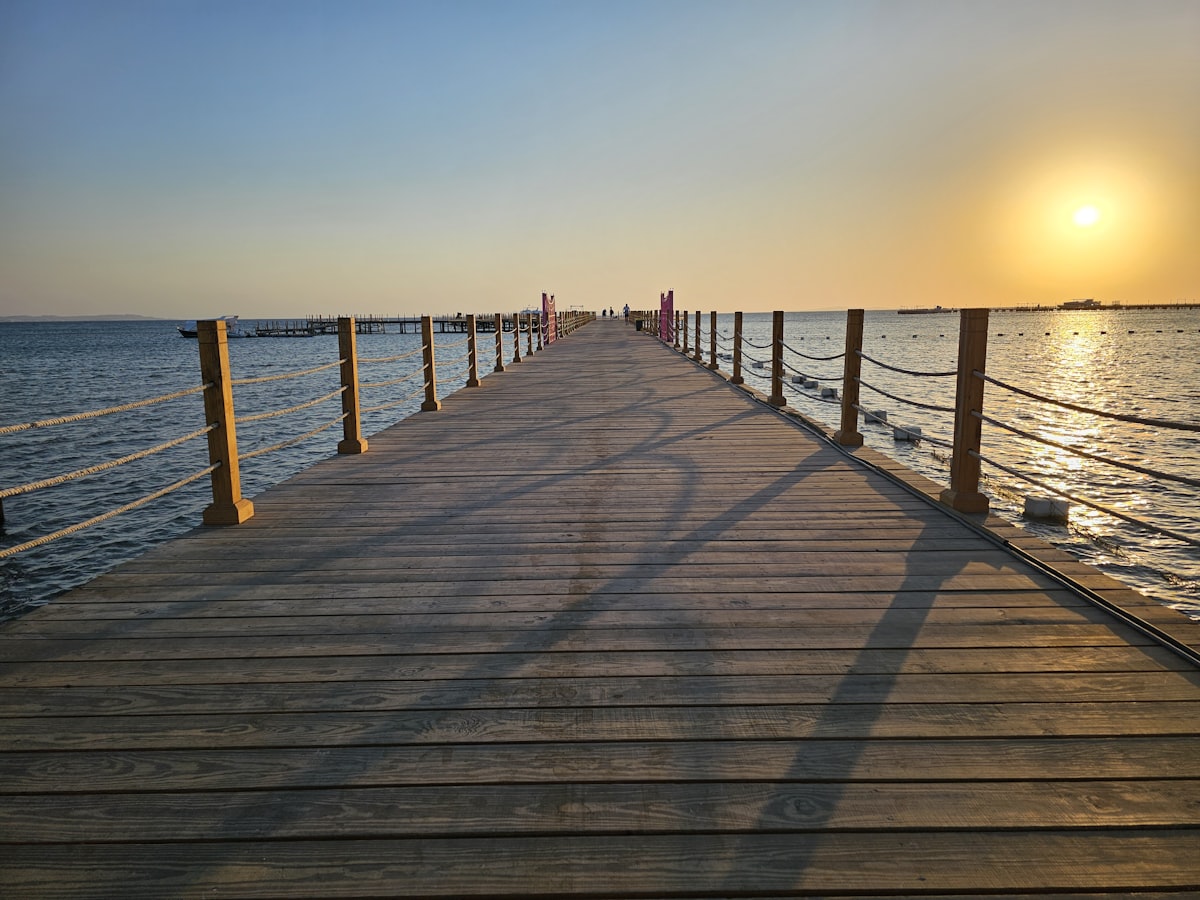
Calm waters, 30–40 m visibility, and water at 24–28 °C. Giftun Island National Park protects 1,800 hectares of reef. Parrotfish, angelfish, and butterflyfish are everywhere — ideal for first-time divers and families.
Explore Hurghada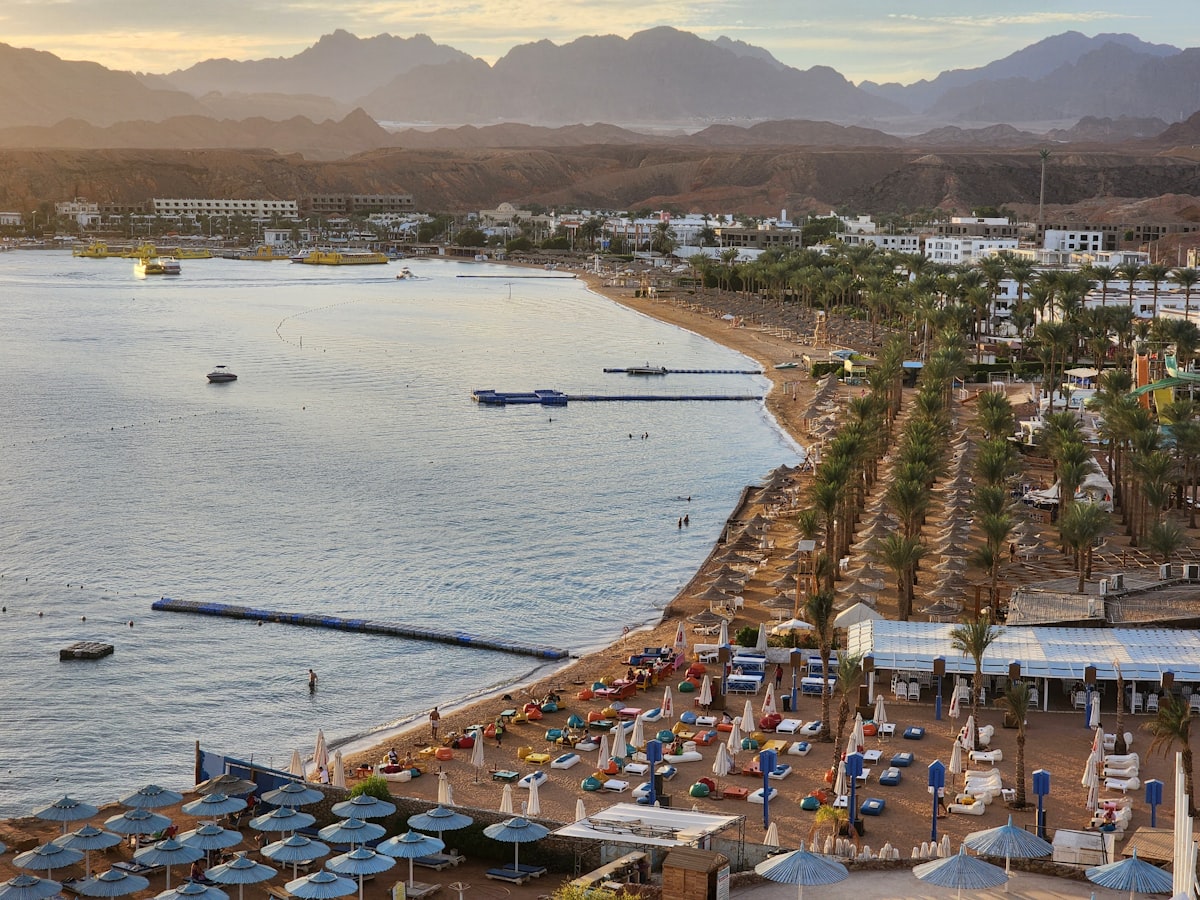
Advanced divers & reef walls
Sinai Peninsula
Sharm El Sheikh · Dahab · Ras Mohammed
Ras Mohammed National Park (est. 1983, 480 km²) features dramatic reef walls, pelagic sharks, and 40 m+ visibility. Dahab's Blue Hole — a 130 m deep sinkhole — draws technical divers worldwide.
Explore Sharm El Sheikh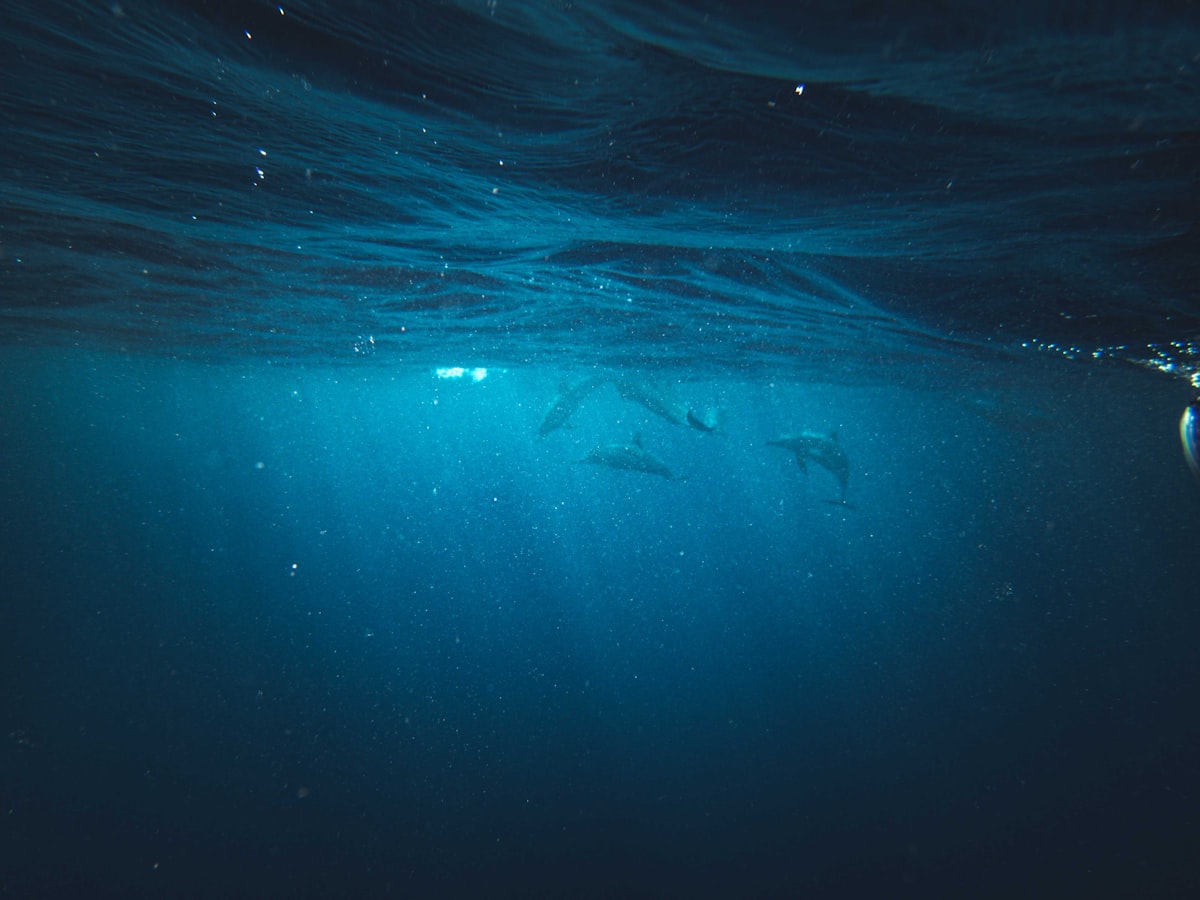
Megafauna & pelagic encounters
Southern Red Sea
Marsa Alam · Port Ghalib · Berenice
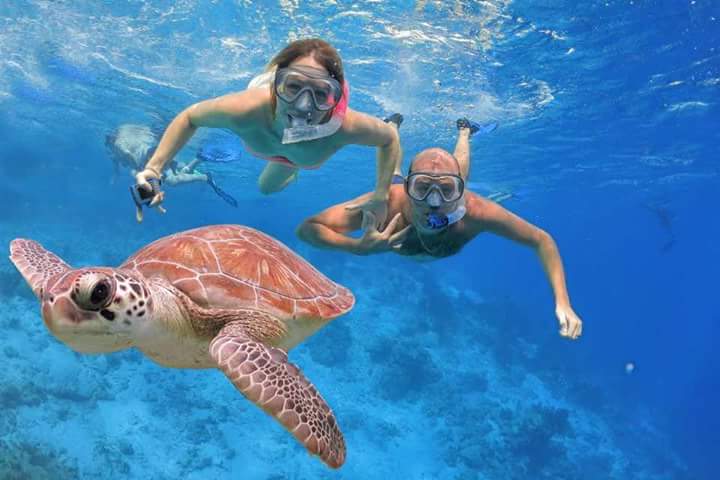
Pristine reefs with the highest megafauna density on the coast. Spinner dolphins, dugongs (fewer than 200 remain — IUCN Vulnerable), whale sharks (Apr–Jul), and hawksbill turtles. Wadi El Gemal protects 7,450 km².
Explore Marsa Alam1,200+
Fish species
IUCN verified
220+
Coral species
Hard & soft corals
40 m+
Visibility
Best Oct – Apr
17%
Endemic rate
Highest of any tropical sea
Best time to visit the Red Sea
300+ sunny days per year. The Red Sea is a year-round destination — here's what each season offers.
Oct – Apr
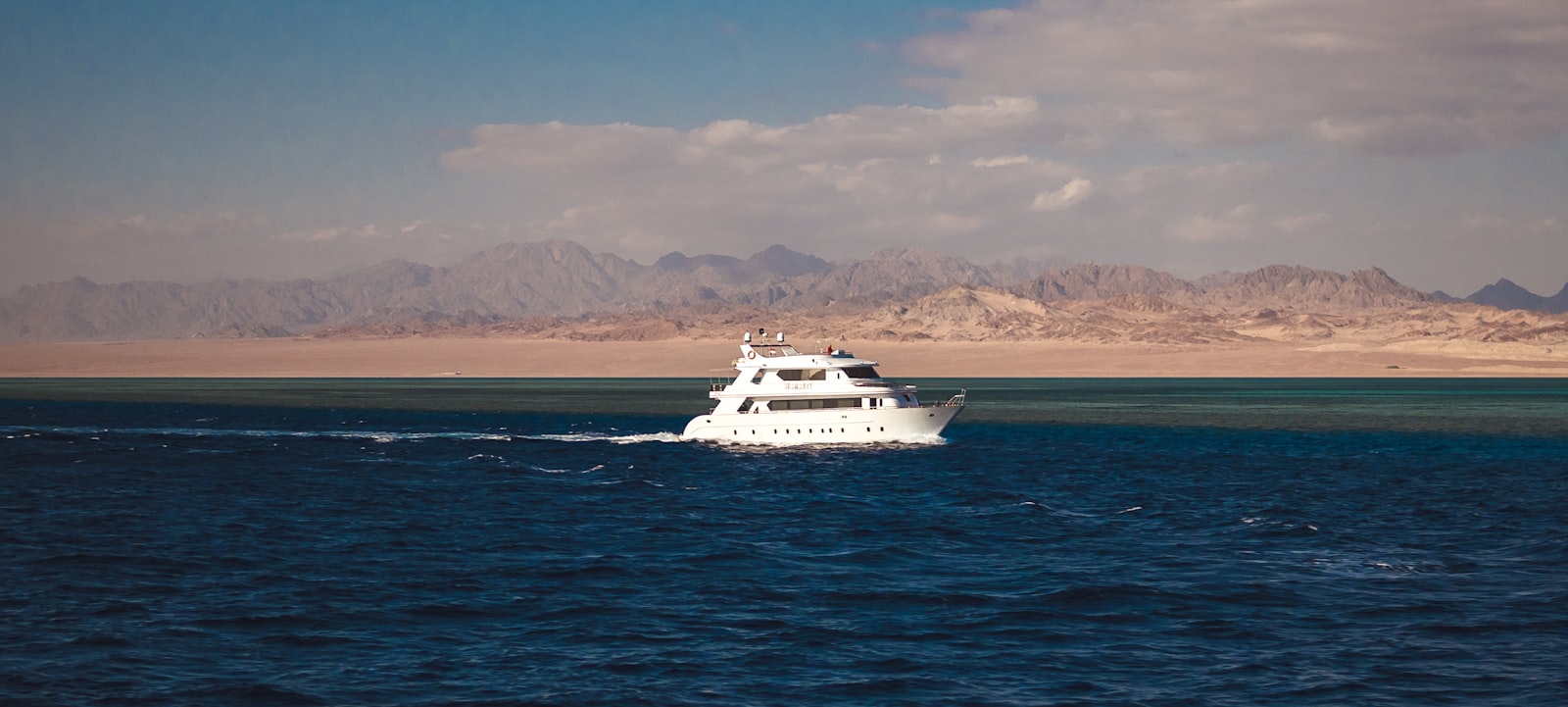
Peak diving season
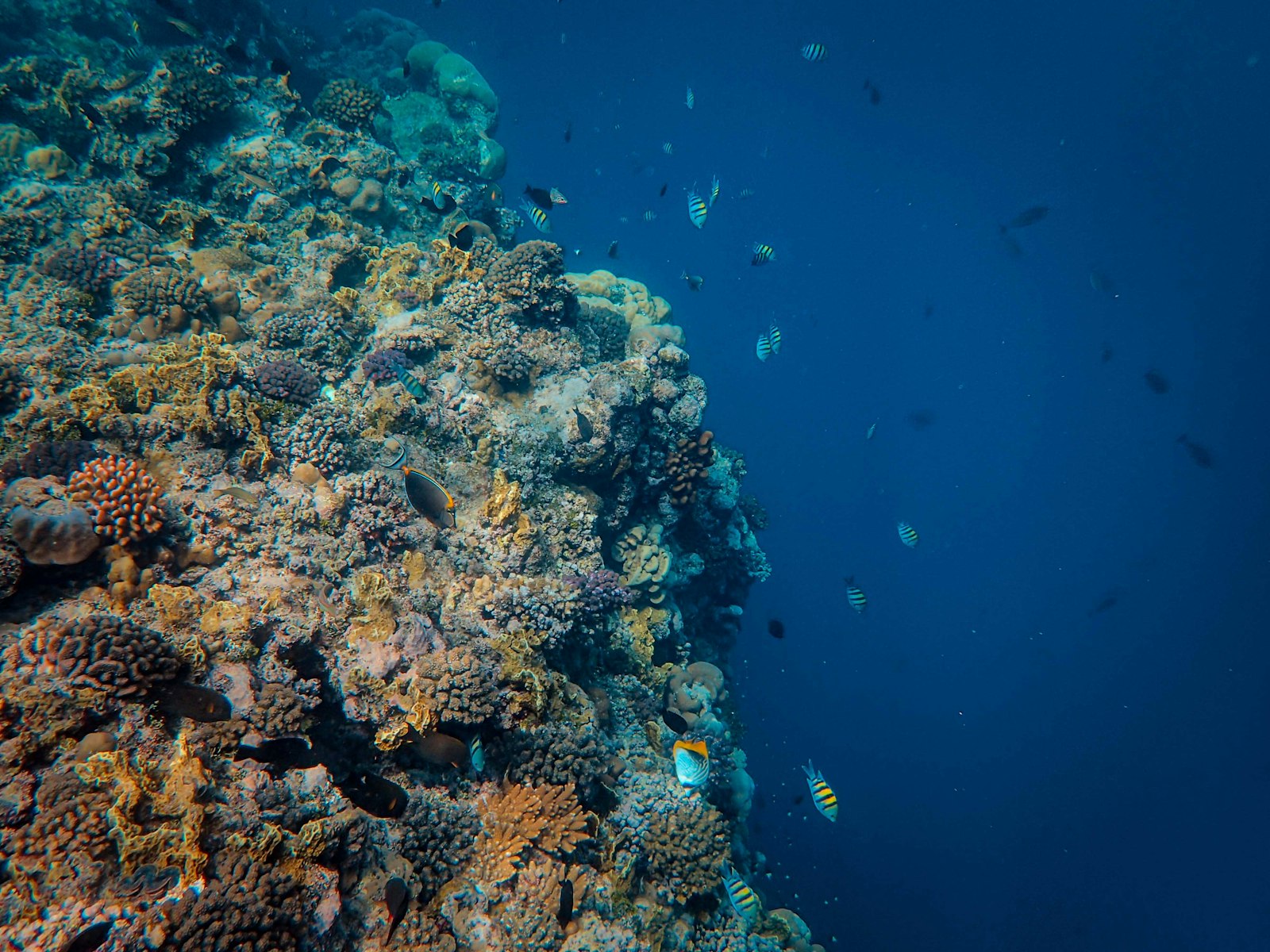
Air 20–28 °C, water 22–26 °C, visibility 30–45 m. Best conditions for underwater photography. Manta rays frequent southern reefs from October. Hammerhead sharks at Elphinstone Reef.
Apr – Jul
Whale shark season
Water warms to 26–30 °C. Whale sharks migrate through the southern Red Sea near Marsa Alam. Visibility 25–35 m. Ideal for snorkeling and open-water encounters with pelagics.
Year-round
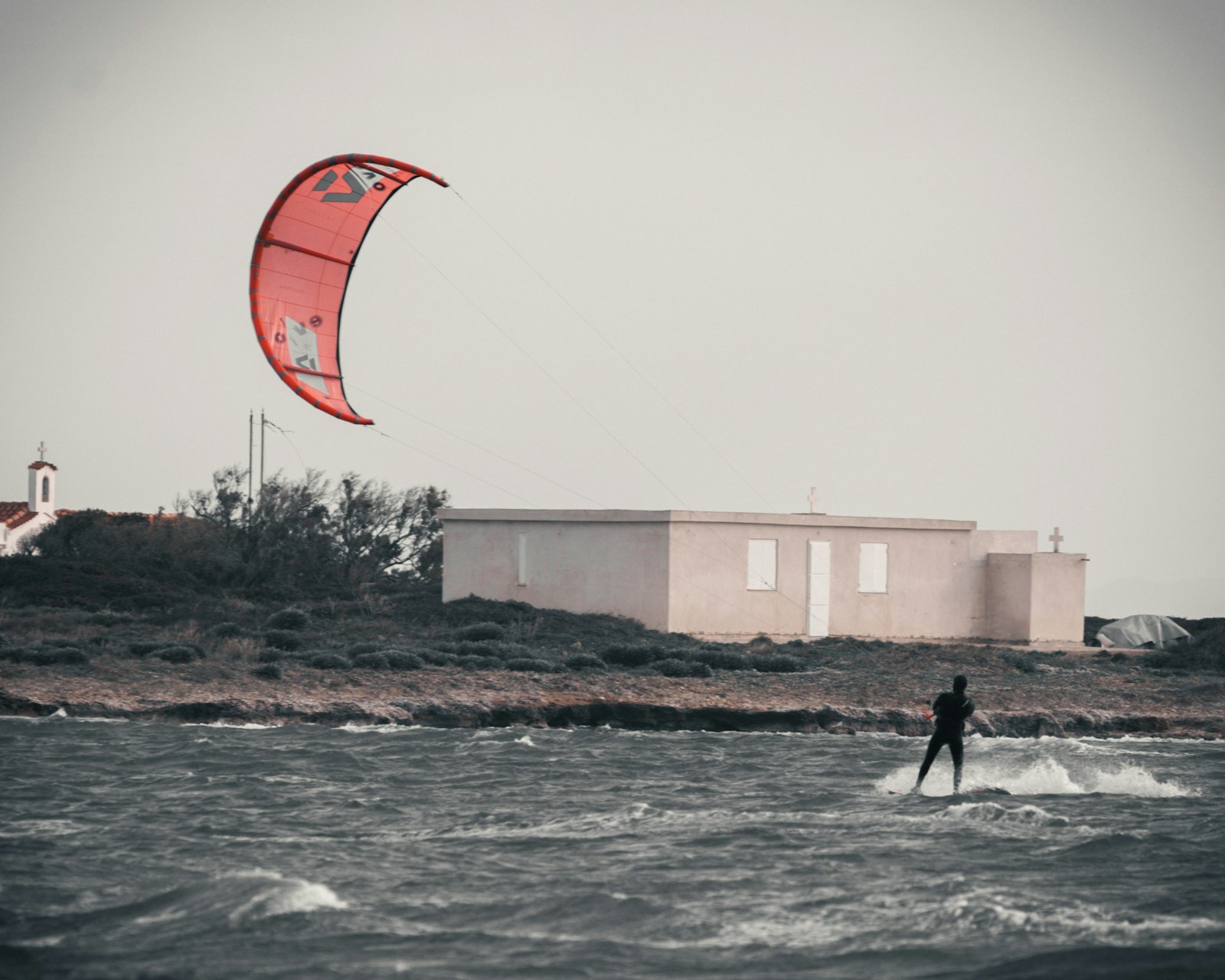
Beach & water sports
Kitesurfing peaks in El Gouna and Soma Bay (Mar–Nov). Desert safaris, boat trips, and snorkeling are comfortable every season. 4–5 hour direct flights from most European capitals.
Marine conservation in the Red Sea
Egypt has established over 8,000 km² of marine protected areas along the Red Sea coast. These reserves safeguard coral reefs, mangrove forests, seagrass beds, and endangered species including dugongs, hawksbill turtles, and whale sharks.
Climate change and coral bleaching events (2016, 2017) remain ongoing challenges. Egypt's Ministry of Environment works with UNEP and WWF on protection initiatives aligned with Egypt Vision 2030 sustainability goals.
What travelers can do: choose reef-safe sunscreen, don't touch coral, follow dive guides, and support eco-certified operators.
Ras Mohammed National Park
Est. 1983·480 km²
Coral reefs, mangroves, pelagic fish
Wadi El Gemal National Park
Est. 2003·7,450 km²
Dugong habitat, coral reefs, desert ecosystem
Nabq Protected Area
Est. 1992·600 km²
Mangrove forests, seagrass beds, migratory birds
Frequently asked questions about the Red Sea
What is the best time to dive in the Red Sea?
October through April offers the best conditions: water at 22–26 °C, visibility up to 45 m, and manta rays at southern sites. Summer (May–September) is warmer (26–30 °C) with whale shark sightings near Marsa Alam from April to July.
Do I need a diving certification to explore the Red Sea?
No. Beginners can join guided discover scuba dives (no certification required) or snorkeling trips at every destination. Certified divers access deeper sites — PADI Open Water is the most common entry-level certification. Hurghada and Sharm El Sheikh have the widest range of beginner-friendly operators.
Which Red Sea destination is best for families?
Hurghada is the top choice for families: calm shallow reefs, glass-bottom boats, island hopping to Giftun, and a wide range of all-inclusive resorts. Makadi Bay and Sahl Hasheesh offer quieter alternatives with house reefs accessible from the beach.
Can I see dolphins and whale sharks in the Red Sea?
Yes. Spinner dolphins are resident year-round at Sataya Reef and Samadai Reef near Marsa Alam — encounter rates exceed 90% on dedicated dolphin trips. Whale sharks visit the southern Red Sea from April to July. Dugongs (fewer than 200 remain in the Red Sea, IUCN Vulnerable) are spotted at Marsa Abu Dabbab.
How do I get to the Red Sea from Europe?
Direct flights from most European capitals take 4–5 hours. Hurghada International Airport (HRG) and Sharm El Sheikh International Airport (SSH) receive the most charter and scheduled flights. Marsa Alam Airport (RMF) serves the southern coast. Most nationalities can obtain a visa on arrival or an e-visa before travel.
Is the Red Sea safe for swimming and snorkeling?
Yes. The Red Sea has calm, warm waters with minimal currents at most resort areas. Guided snorkeling trips include safety briefings and equipment. Stick to designated swimming zones, follow your guide's instructions, and avoid touching marine life. Jellyfish are rare and shark encounters at snorkeling depth are extremely uncommon.