
Red Sea Diving Courses: From First Breath to Wrecks and Night Dives
Quick Summary: Egypt’s Red Sea is a year-round classroom for divers. Start with calm, fish-rich reefs, then level up to night, deep, and wreck specialties. We map where to train, what to expect, and how to choose reputable centers that match your pace, budget, and passions.
Imagine your first steady breaths underwater, bubbles sliding past branching corals while orange anthias swarm in the sun. That’s the Red Sea learning curve: warm, clear, and alive. From sheltered bays perfect for Open Water skills to pulse-quickening drifts and storied wrecks, Egypt turns training dives into memories you’ll replay for years.
What Makes This Experience Unique
Egypt’s Red Sea blends beginner-friendly conditions with world-class advanced training. Expect 20–40 m visibility, low to moderate currents in protected sites, and water that averages 22–29°C across the year. Add in iconic wrecks, photogenic reefs, and highly experienced instructors, and courses feel less like classes and more like curated expeditions in living color.
Where to Do It
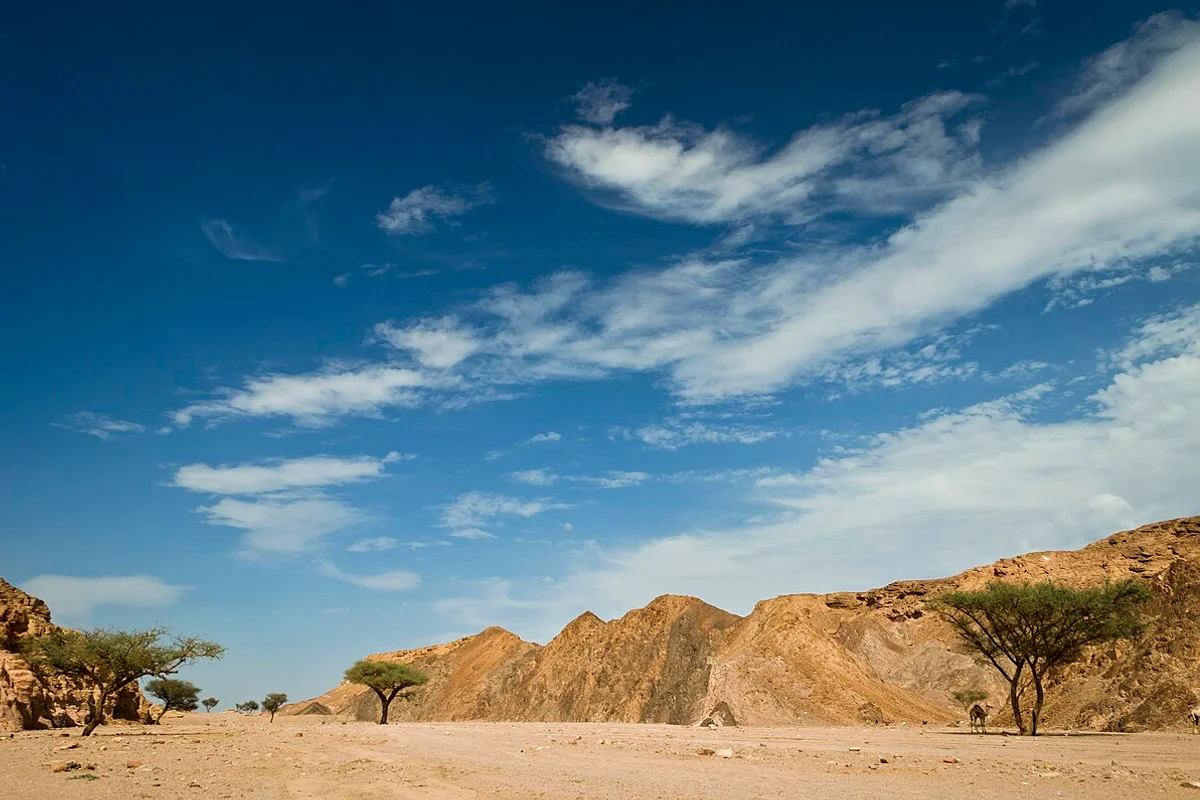
Choose your classroom by vibe and conditions. Hurghada offers gentle house reefs and short boat rides—great for Open Water. Sharm El Sheikh delivers drift practice, Ras Mohammed walls, and access to the Thistlegorm. Dahab’s shore entries suit unhurried learning, while Marsa Alam adds turtles, dugongs, and superb house-reef repetition for mastering buoyancy.
Best Time / Conditions
Diving runs year-round. Spring and autumn balance warm seas and mild winds; summer offers bath-like surfaces; winter brings cooler water and crisper air. Expect 22–29°C across seasons, with light hoods or 5 mm suits in the coolest months. Beginners favor leeward reefs and mornings; advanced students often time drifts and wrecks for slack or predictable currents.

What to Expect
Discover Scuba sessions introduce basics in a few hours. Open Water typically spans three to four days, certifying you to 18 m. Advanced often takes two days with five “adventure” dives—think deep (to 30 m), navigation, night, peak performance buoyancy, nitrox, and wreck. Boat days are efficient, with clear briefings; iconic advanced outings include the SS Thistlegorm from Sharm’s coast (see top Sharm dive sites).
Who This Is For
First-timers seeking calm, colorful reefs; snorkelers ready to switch perspectives; photographers chasing clear light; and certified divers craving structured progression. Families and mixed-ability groups can split between training dives and easy snorkel days (Hurghada’s snorkeling shines). Budget-savvy travelers love competitive course pricing and smart bases that stretch stays.
Booking & Logistics
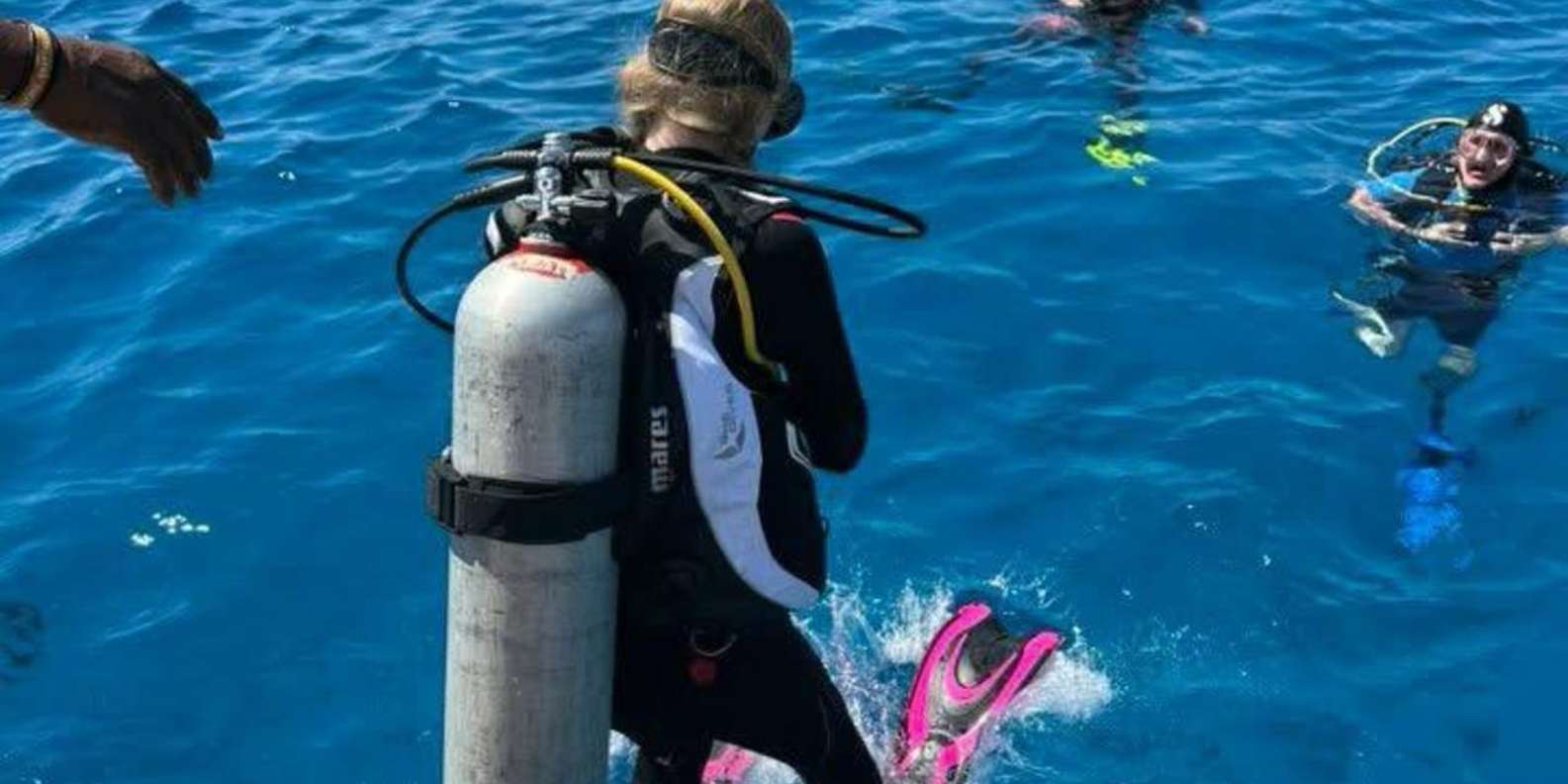
Look for accredited centers with small ratios, modern boats, oxygen kits, and clear safety briefings. Pre-trip e-learning saves boat time; bring medical clearance if needed. Marinas sit close to resorts, keeping transfers short. Non-dive day? Pair study breaks with a relaxed beach-and-snorkel escape to Paradise Island. Stretching your budget? Consider basing in Hurghada or Dahab for value and easy logistics (smart budget bases).
Sustainable Practices
Master buoyancy early and keep fins high; never touch coral. Choose reef-safe sunscreen and refillable bottles. Respect “no glove, no touch” etiquette, and follow guides to avoid fragile areas. Select operators that use mooring lines, minimize single-use plastics, and participate in reef monitoring—your training dives can directly support the ecosystems you came to admire.
FAQs
Curious about timing, training pathways, and suitability? Here are the essentials. Most learners begin with Open Water, then add specialties to fit interests—night, deep, wreck, and nitrox are popular. Year-round diving means you can schedule around holidays or school breaks, and many centers tailor courses for families, photographers, or time-pressed travelers.
How long do courses take, and what are the depth limits?
Discover Scuba runs half a day. Open Water typically spans three to four days, certifying to 18 m. Advanced commonly takes two days with five dives, including deep to 30 m. Specialty courses vary—night and nitrox are short; wreck and navigation add targeted practice for confident, enjoyable progression.
Do I need to be super fit or a strong swimmer?
You should feel comfortable in water and be able to swim and float for short distances; elite fitness isn’t required. Medical forms screen for issues like asthma or ear problems—seek doctor clearance if unsure. Instructors pace skills in calm water first, then progress gradually, ensuring you’re confident before deeper or more dynamic sites.
Which Red Sea base is best for me?
Beginners often thrive on Hurghada’s sheltered reefs and short boat rides. Sharm suits divers seeking drifts and wrecks, including advanced training. Dahab appeals to relaxed learners who prefer shore entries and long, unhurried sessions. Marsa Alam is ideal for house-reef repetition, night specialties, and marine life encounters like turtles and occasional dugongs.
Whether it’s your first breath or your first flashlight beam sweeping a wreck, the Red Sea rewards curiosity with clarity, color, and calm instruction. Start where conditions match your comfort, then chase the dives that set your imagination alight—the best classroom, after all, is the one you can’t wait to return to.


