
Red Sea on a Plate: Jeddah to Hurghada to Aqaba
Quick Summary: Follow the Red Sea coast for choose-your-catch markets, sea-breezy grills, and waterfront tables. Expect display counters, per‑kilo pricing, and charcoal or lemon‑butter finishes. Best Oct–Apr; ask about line‑caught fish, reef-safe practices, and seasonal species. Book sunset tables and arrive hungry.
Salt on the air, charcoal drifting across the water, and a counter glistening with the morning’s catch—this is the Red Sea’s seafood handshake. From Jeddah’s corniche to Hurghada’s marinas and Aqaba’s dawn markets, the ritual is the same: point, weigh, choose your cooking, then settle in for the breeze.
What Makes This Experience Unique
Across the Red Sea, seafood isn’t just ordered—it’s selected, weighed, and cooked to your brief. Market counters double as menus; grills face the water; sides are local and unfussy. You’ll taste trading-route influences—sumac, garlic, sesame—meeting modern technique. For deeper flavor context, explore local foods in Hurghada’s kitchenslocal foods in Hurghada.
Where to Do It
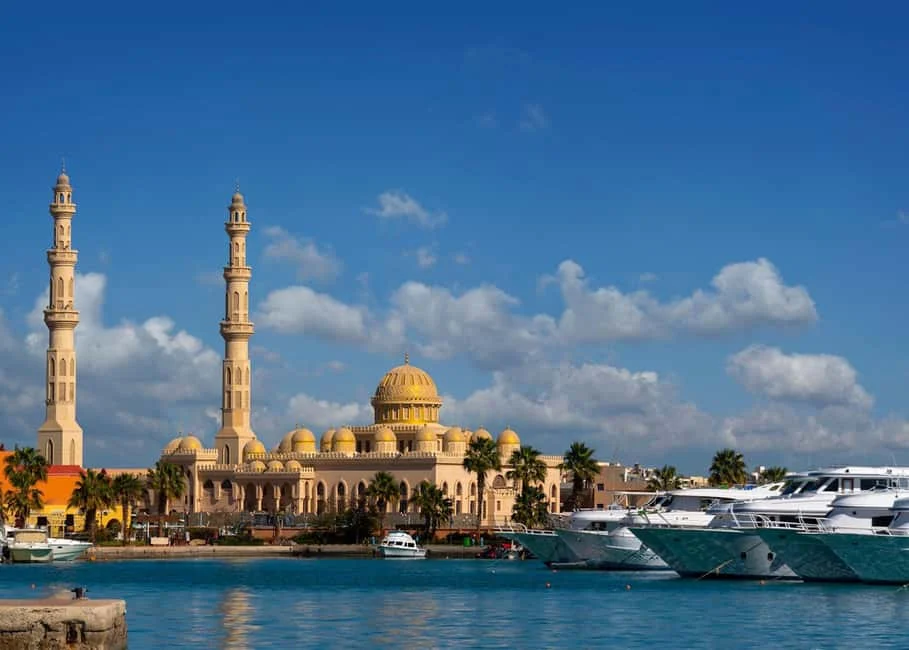
In Saudi, Jeddah’s Corniche mixes white-tablecloth dining with market-adjacent grills. Egypt’s north shore swings from El Gouna’s polished marinas to Hurghada’s bustling waterfront—start with the crowd-pleasing tables at Hurghada Marina. Farther south, Sharm El Sheikh pairs reef days with dockside dinners, while Jordan’s Aqaba brings dawn market energy to waterfront lunch counters.
Best Time / Conditions
October to April is prime: cooler evenings, steady breezes, and lively terraces. Red Sea water temperatures hover around 22–24°C in winter and 28–30°C in late summer, shaping seasonal availability. Sunset is the golden hour—reserve then for softer light and calmer winds. High summer brings heat; plan later seatings and shaded tables.
What to Expect
Seafood displays show whole fish on ice—grouper, sea bream, red mullet, prawns—priced per kilogram. Staff clean and weigh your pick, then cook it over charcoal, in lemon-butter, or with tahini and herbs. Expect warm breads, tahini, and salads on the side. For novelty between courses, consider Red Sea underwater restaurants and bars.
Who This Is For
Travelers who like their view and their dinner equally fresh: couples chasing sunset tables, families curious about market rituals, and food lovers who enjoy simple, ingredient-forward plates. If you’re building a Hurghada playlist, shortlist the best seafood restaurants in Hurghada to combine marina strolls with late dinners and kid-friendly menus.
Booking & Logistics
Reserve for sunset, weekends, and holidays; walk-ins work at lunch. Ask for the fish counter on arrival and confirm per‑kilo pricing before choosing. Cash is handy for markets; cards are widely accepted in marinas. El Gouna sits roughly 25 km north of central Hurghada, making quick taxi hops between tastings easy.
Sustainable Practices
Ask about line-caught and seasonal species, and avoid threatened fish; skip oversized grouper and undersized snapper. Choose reef-safe, low-waste kitchens—from grilling whole fish to composting trimmings. For cultural context on spice traditions and open-fire meals, skim this Bedouin dining guideBedouin dining guide and browse broader Red Sea restaurants and local cuisine insightsRed Sea restaurants and local cuisine.
FAQs
Seafood along the Red Sea is delightfully transparent: fish displayed on ice, scales shining; cooks waiting to season and sear per your preference. Below, we answer the common questions travelers have—from how to choose and price your catch to reservations, dietary tweaks, and tipping etiquette in market-style restaurants and marina grills.
How do I choose and price my catch?
Start at the ice counter. Staff will recommend species by texture and weight, then scale, clean, and weigh your fish in view. Prices are per kilogram; ask for the total before cooking. Choose a method—charcoal, lemon-butter, tahini, or garlic-herb—and a doneness level. Confirm sides and breads are included.
Do restaurants accommodate dietary preferences or allergies?
Yes—market grills excel at simple, clean preparations. Request olive oil instead of butter, or tahini without garlic. Many kitchens separate shellfish from fish surfaces; say it clearly at the counter. Vegetarians often build meals from mezze, salads, and breads while sharing the view and pace with seafood-eating friends.
Is tipping expected at fish markets and marina grills?
In market-style venues, tip the cleaner and griller a small cash amount separately; in seated restaurants, a 10% tip on top of any service charge is appreciated for attentive service. If service is counter-based, rounding up the bill or leaving coins for the crew is welcome and culturally appropriate.
From Jeddah’s corniche sunsets to Aqaba’s dawn markets and Hurghada’s marina glow, this seafood journey rewards curiosity: ask, sample, repeat. When your day’s haul meets a hot grill and sea breeze, the Red Sea’s story arrives on the plate—simply, confidently, and memorably.


