
Choose Your Red Sea: From Ras Mohammed’s Adrenaline to Dahab’s Contemplative Blue Hole
Quick Summary: Pick your pace: Ras Mohammed’s high-energy reefs, the storied Thistlegorm wreck, or Dahab’s meditative Blue Hole. Here’s when to go, what to expect, and how to book responsibly—whether you’re snorkeling, learning to dive, or chasing bucket-list sites with an eco-first mindset.
Dive the Red Sea and you’re choosing a mood. In Sharm El Sheikh, Ras Mohammed hits like a drumline—sharks on the edge, fusiliers raining silver. The WWII Thistlegorm answers with time-capsule awe. Cross the Gulf to Dahab, where the Blue Hole is less thunder and more meditation—pure blue, vertical silence—and a reminder that mastery and restraint matter.
What Makes This Experience Unique
Egypt’s Red Sea is a rare convergence: shore-access reefs minutes from resorts, big-animal encounters on day boats, and bucket-list wrecks reachable without long-haul liveaboards. Visibility often sits between 20–40 meters, and soft coral color is off the charts. Add reliable logistics, year-round warmth, and you’ve got effortless adventure for every level.

Where to Do It
For electric walls and schooling action, Ras Mohammed’s Shark and Yolanda Reefs set the pace. Wreck lovers target the SS Thistlegorm, whose decks lie around 16–32 meters. Hurghada’s Giftun Islands suit mixed snorkel/dive groups. In Dahab, shore entries rule—Blue Hole for advanced, Lighthouse for learners. South, Marsa Alam’s Abu Dabbab brings turtles over 5–10-meter seagrass.
Best Time / Conditions
March–June and September–November balance warm water and calmer winds. Expect 22–24°C in winter, rising to 28–29°C in late summer; a 5 mm suit covers most seasons. Summer brings stronger sun and potential currents on headlands like Shark Reef, while autumn often delivers glassier seas for longer boat days and gentler surface intervals.

What to Expect
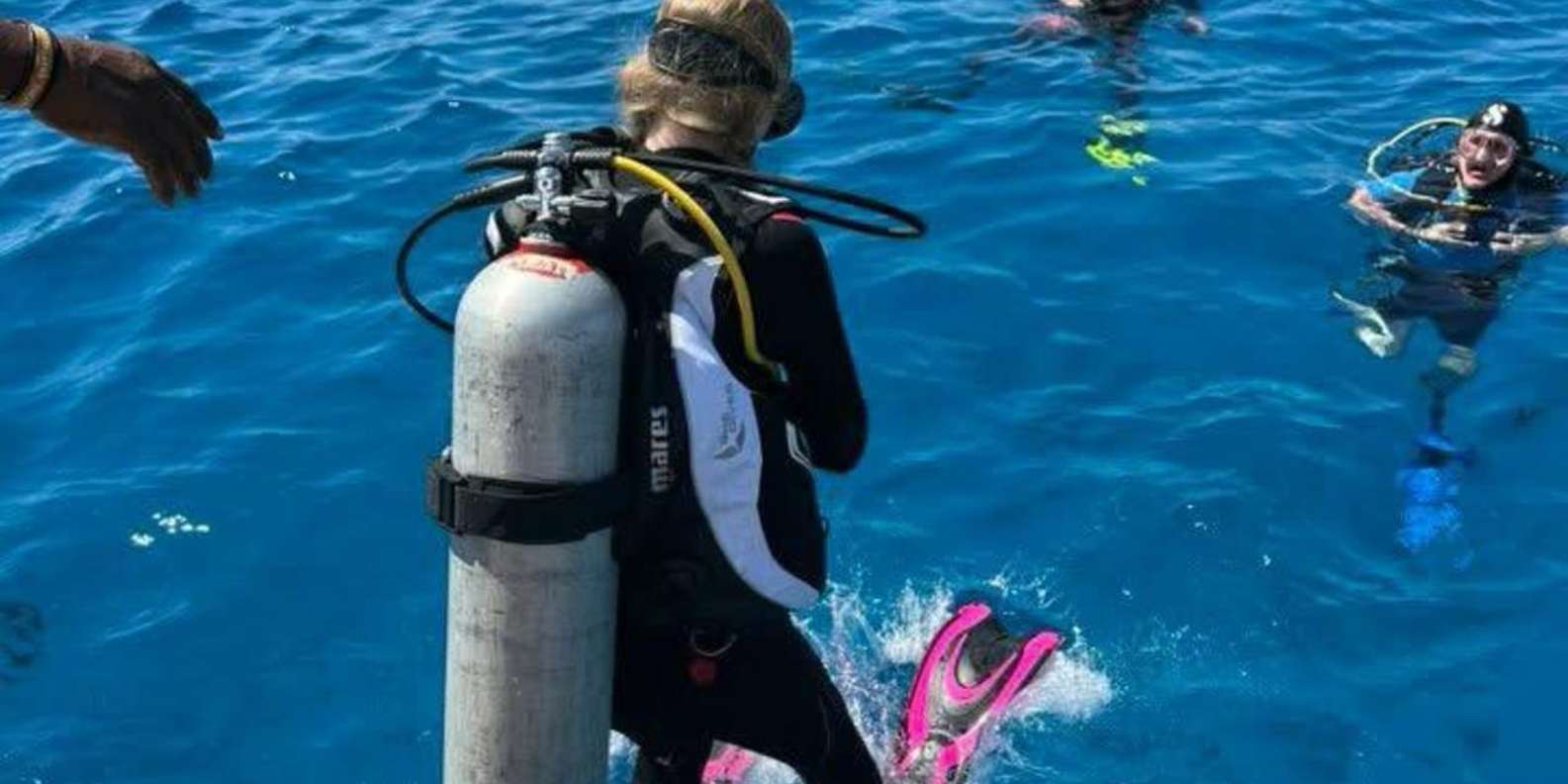
Snorkelers drift over shallow gardens where parrotfish, clams, and clownfish steal the show. Certified divers hover on drop-offs with barracuda and trevally, or weave through wreck silhouettes. Dahab’s shore vibe is DIY—brief, suit, and step in. Sharm and Hurghada lean boat-based with two or three guided stops, shaded decks, and buffet lunches between splashes.
Who This Is For
New snorkelers thrive at calm coves and boat moorings with ladder access. Open Water divers find progression on gentle fringing reefs, then venture to mild currents. Advanced divers and photographers chase pelagics, swim-throughs, and the Thistlegorm’s atmospheric holds. Freedivers gravitate to Dahab’s vertical profiles. Families and mixed-ability groups are well-served on day boats with onboard guides.
Booking & Logistics
Base yourself in Sharm for Ras Mohammed and wreck runs; the reserve sits roughly 12 kilometers by road, with boats adding scenic reef hops. Choose small-group or private guides for calmer briefings and better surface support. White Island day boats double as reef tours—consider this popular route. For Thistlegorm, Advanced + Deep/Wreck training improves safety and access.
Sustainable Practices
Protect fragile corals: perfect neutral buoyancy before walls or wreck interiors, never touch or stand on the reef, and secure dangling gear. Use mineral, reef-safe sunscreen or wear UPF layers to cut chemical load. Skip fish feeding, keep fin-kicks compact, and follow mooring-line entries. Choose operators who brief on no-touch ethics and marine park rules.
FAQs
New to the Red Sea or returning for a deeper dive, timing and site choice are everything. Conditions can shift with wind and currents, and different hubs favor different styles—Sharm for day boats, Dahab for shore freedom, Marsa Alam for turtle meadows. These quick answers set realistic expectations before you book.
Is the Blue Hole safe for beginners?
The Blue Hole drops past 100 meters with deceptive ease and occasional currents. It’s not the place to push limits. Beginners should enjoy shallow rims with a local guide or train at Lighthouse/Eel Garden first. Advanced divers and skilled freedivers, with safety support, keep dives conservative and strictly within training.
Do I need a tour for Ras Mohammed?
Yes—Ras Mohammed is best by guided boat or permitted transport. Tours manage permits, briefings, and site rotation to match conditions, and they provide ladders, shade, and first aid. Snorkelers gain water-watch support, while divers benefit from experienced guides who time entries for current-swept headlands like Shark and Yolanda.
Can I dive the Thistlegorm without advanced certification?
It’s possible to view exterior sections with careful guiding, but much of the magic lies in holds and swim-throughs around 16–32 meters. Advanced Open Water plus Deep, and ideally Wreck training, increases safety and access. Expect a long day, variable currents, and overhead environments—plan conservatively and follow your guide.
Whichever path you choose—Ras Mohammed’s rush, the Thistlegorm’s history, or Dahab’s contemplative blue—Egypt’s Red Sea rewards curiosity and care. Read deeper on the Blue Hole’s nuances and Sharm’s marquee sites via our dive spot primer, then match your skills, pick ethical operators, and let the color do the convincing.


