
Red Sea Snorkeling Tours for Every Skill Level
Quick Summary: Choose your confidence: gentle, guide-led snorkels over coral gardens for beginners, current-kissed reef walls for the bold. This safety-first compass pairs destinations and tour styles so you savor the Red Sea’s color and clarity at your pace—not your limit.
The Red Sea doesn’t rush you; it rewards your rhythm. In Egypt’s resort towns, boats fan out to coral gardens and reef walls where visibility often runs 20–30 meters and sunlight paints every ridge. Whether you’re holding a float and learning to fin or chasing a gentle drift along a drop‑off, guides match sites—and safety—to your skill and comfort.
What Makes This Experience Unique
The Red Sea’s layout feels purpose‑built for progression. Sheltered lagoons cradle beginners in waist‑to‑chest‑deep water above hard coral gardens, while experienced swimmers graduate to fringing reef edges and drift‑friendly walls. Water stays warm most of the year—roughly 22–24°C in winter and 27–29°C in summer—so you can focus on color, calm breathing, and longer, confidence‑building sessions.
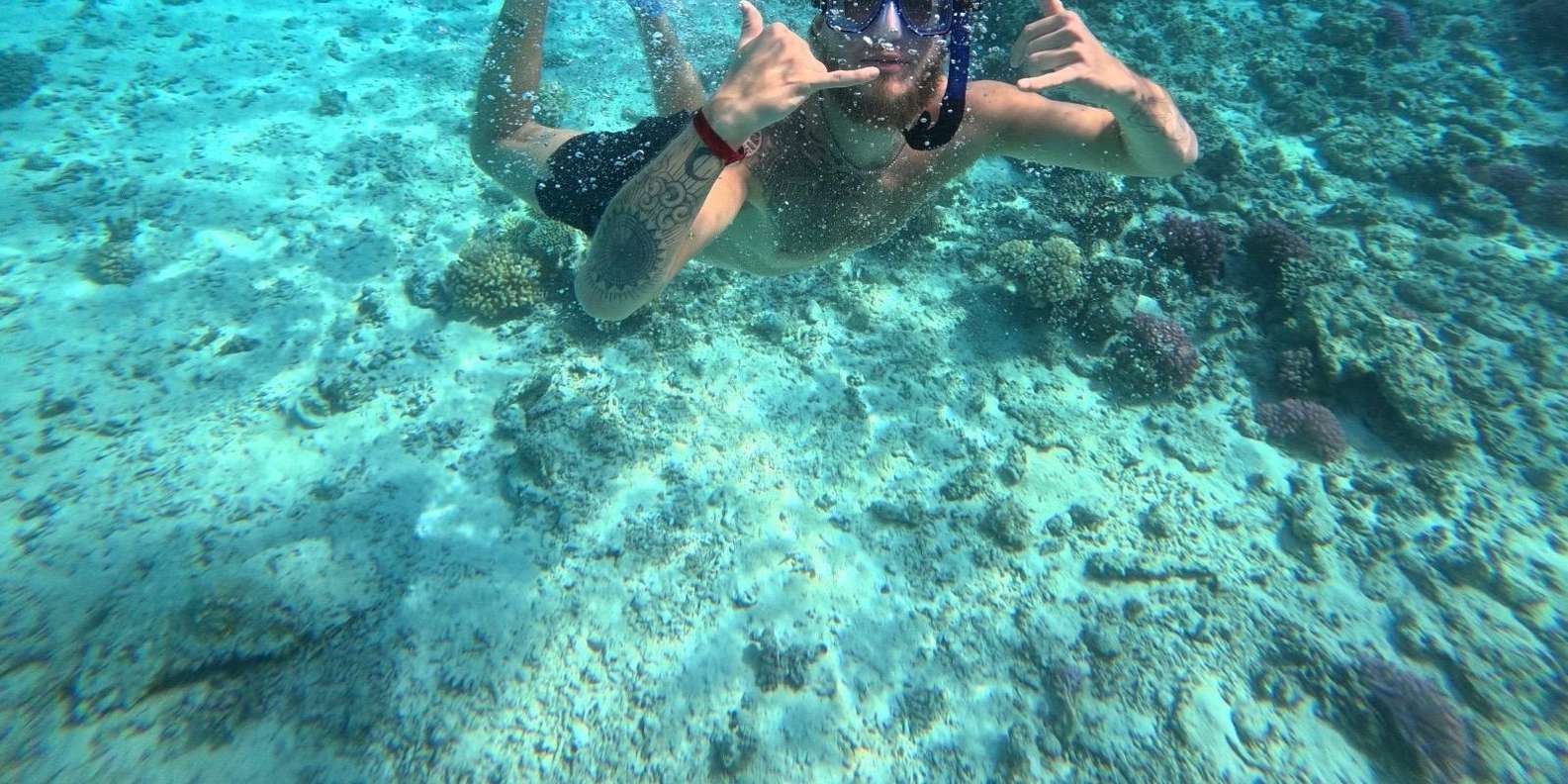
Where to Do It
Confident swimmers can step up to reef-edge routes and mild drifts when conditions allow, while beginners should prioritize protected bays with easy entries and fixed moorings. Hurghada and nearby Makadi Bay and Sahl Hasheesh are reliable for first-timers because many day boats visit broad coral gardens with sandy patches where guides can pause and coach. El Gouna also suits cautious snorkelers thanks to calmer lagoon-style water and shorter runs to nearshore reefs.
For intermediate-to-advanced snorkelers, Marsa Alam is a strong base for longer reef shelves and occasional drop-offs where pelagic surprises are possible on the blue side. Soma Bay and Safaga often offer reef shoulders and channels that teach you how to read water movement—useful preparation before trying true drift lines. In South Sinai, Sharm El Sheikh and Dahab are known for steeper reef profiles: you can swim a controlled line along a wall, staying shallow while the reef falls away beneath you.
Site choice still depends on the day’s wind and current. A good operator will brief you on entry and exit points, the route direction, and the “no-touch” zones, then select the most sheltered option if conditions are lively. If you’re building confidence, ask for a plan that keeps you near the reef top and within an easy fin of the boat or shore exit.
Best Time / Conditions
Calm mornings dominate most of the year; expect the most wind from December to March, with cooler water (22–24°C). Spring and autumn are the sweet spot for warm seas and manageable breezes. Summer brings glassy days but hotter decks—pack sun protection. Visibility is reliably high—often 20–30 meters—though plankton blooms can soften scenes after wind spikes.

What to Expect
Beginners start with a buoy or noodle and guide-by-the-elbow supervision, hovering over five‑meter‑and‑shallower bommies. Intermediates trace fringing reefs, learning to read surge and channels. Advanced snorkelers drift parallel to walls at sites where the drop‑off begins around 10–15 meters beyond the reef crest. Boat entries are ladder or platform; shore entries use sandy gaps between coral heads.
Who This Is For
First‑timers and families thrive in sandy‑bottomed coves with fixed moorings and surface floats. Photographers love mid‑morning passes over garden coral when the sun spotlights texture. Confident swimmers can seek mild‑to‑moderate drift lines along reef shoulders. If you prefer unhurried escapes, pick small‑group boats; if you crave fish tornadoes, time your wall snorkel for slack tides.

Booking & Logistics
Most Red Sea snorkeling days run as half-day or full-day outings, either by boat from marinas (common in Hurghada, El Gouna, Soma Bay, Safaga, and Sharm El Sheikh) or as shore-based sessions in easy-access bays (common around Makadi Bay, Sahl Hasheesh, and Dahab). Expect a safety briefing, a gear check, and at least one guided water session; full days typically add multiple stops with lunch and shaded deck time between swims.
When you book, match the tour format to your comfort rather than the headline destination. Beginners do best with small groups, a dedicated guide in the water, and a route that stays inside the reef top with frequent rest points. If you’re aiming for a drift snorkel, confirm there will be a surface marker float, clear pickup procedures, and boat cover that follows the group rather than anchoring and waiting.
Pack for sun and sea time: reef-safe sunscreen, a rash guard, and a dry bag for electronics are more useful than extra clothes. If you wear glasses, consider a prescription mask or bring a simple backup; a leaking mask can turn a good day into a short one. In winter or on windy days, a thin neoprene top helps you stay warm during surface intervals, especially if you plan two or three long swims.
On the day, listen for the details that keep snorkeling smooth: entry method (giant stride, back roll, or ladder), exit plan, maximum time in the water, and the “meet-up” signal. Keep a conservative buffer from coral—fins do more damage than most people realize—and maintain buddy spacing so the guide can manage the pace. If you’re booking with Routri in hubs like Hurghada, Marsa Alam, Sharm El Sheikh, or Dahab, choose the tour description that specifies skill level and supervision style, then treat the briefing as part of the experience, not an add-on.
Sustainable Practices
Red Sea reefs are resilient in some ways and fragile in others: a single fin kick can break branching coral that took years to grow. The simplest rule is strict buoyancy and distance—stay horizontal, keep fins up, and never stand on coral, even in shallow water. Use sandy patches for rests, and if you need to adjust your mask, float on your back rather than treading directly above coral heads.
Choose operators that moor rather than anchor. Mooring lines protect reef tops from chain drag, which can scar coral gardens and create long bare channels across the reef flat. On busy days in places like Hurghada, Makadi Bay, and Sharm El Sheikh, responsible boat handling makes a visible difference: boats that respect moorings and spacing reduce both physical damage and stress to wildlife.
Wildlife etiquette matters as much as reef protection. Keep at least a few meters from turtles and rays, don’t chase dolphins, and avoid blocking an animal’s route to the surface. Flash photography can stress some species at close range; if you’re shooting, give animals space and let them pass through the frame instead of swimming at them.
Finally, reduce what you leave behind. Bring a refillable bottle, refuse single-use plastics where you can, and secure all loose items on the boat so nothing blows overboard. If you spot fishing line or plastic in the water and it’s safe to do so, tell the guide—many crews will collect debris during surface intervals rather than risking divers or snorkelers getting tangled.
FAQs
Below is a safety‑first, confidence‑based FAQ to help you choose the right Red Sea snorkel. It covers swimming ability, packing, and drift safety, so you can match tour style to your comfort. Use it to decide between sandy coves, reef‑edge explorations, or guide‑led drifts along classic walls.
Do I need to be a strong swimmer to snorkel here?
No. Beginners can book tours with surface floats, life vests, and guide‑escorted routes in shallow, sandy‑bottomed areas. You’ll practice mask clearing and calm finning over coral bommies in less than five meters of water. As confidence grows, you can progress to gentle reef edges with short, supervised drifts.
What should I bring on a snorkeling tour?
Pack a well‑fitting mask and snorkel, open‑heel fins with booties for shore entries, a long‑sleeve rash guard, polarized sunglasses, and a hat. Add a light towel, refillable bottle, and snacks despite onboard lunches. If you chill easily, a 2–3 mm top helps during winter winds; many boats supply vests on request.
Are drift snorkels safe for beginners?
Drift routes are best once you’re comfortable with breathing, equalizing shallow dips, and staying horizontal without touching the reef. Start with reef‑edge swims next to a moored boat, then try short, guide‑controlled drifts with a surface float. Clear signals, buddy checks, and boat cover make currents manageable—and memorable.
Ready to map your own route? Explore


