
Along the Living Corridor: Red Sea Ports, Coral-Stone Towns, and Bedouin Traditions
Quick Summary: Beyond reefs and resorts, Egypt’s Red Sea is a working heritage route—Ottoman ports, coral-stone towns, and Bedouin lifeways—best explored with local guides, respectful etiquette, and a slow-travel mindset.
Stand on an old quay at sunrise and the Red Sea retells its story: incense routes, Hajj caravans, pearl skiffs, and lighthouse keepers. Ancient ports like El Quseir and coral-stone neighborhoods whisper of Ottoman warehouses and Roman sea lanes, while Bedouin camps in Sinai keep oral histories alive. Even modern hubs such as Hurghada move to this tide of exchange—markets opening with the wind, fishermen reading the swell like scripture.
What Makes This Experience Unique
Rather than a single site, this is a living corridor where sea and desert braid cultures. You’ll trace Roman-era routes to India, step inside coral-stone homes built from fossil reef, and share Bedouin tea while hearing how wayfinding stars guided caravans. Conservation areas and community projects anchor these traditions to a sustainable present.
Where to Do It
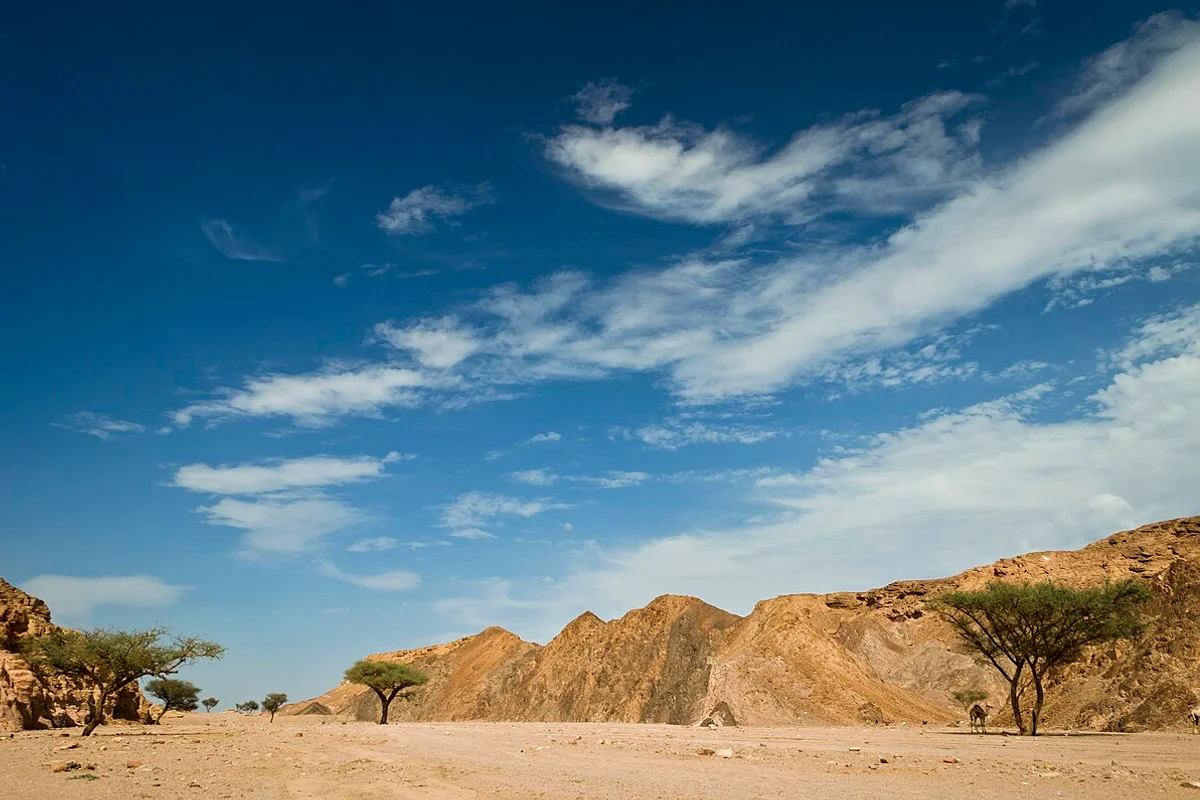
Base yourself between heritage towns and protected coasts: El Quseir’s fort and lanes, Marsa Alam’s gateway to Wadi El Gemal National Park, and Sinai’s intimate craft markets. For a slower rhythm, head to Dahab, where Muzeina Bedouin roots are woven into daily life. Add Ras Mohammed’s cliffs, and coastal mosques and khans tucked behind modern promenades.
Best Time / Conditions
October to April brings cooler air for walking souks and desert trails; summer offers warm seas for breezy coastal evenings. Expect winter winds (January–March) on exposed headlands. Sea temperatures range roughly 21–29°C across the year, and underwater visibility can reach 30–40 meters near healthy reefs—ideal for pairing culture with easy snorkeling days.

What to Expect
Mornings suit old quarters and small museums; late afternoons invite desert tea fires and storytelling. Expect modest dress in historic neighborhoods and sanctuaries. Families can swap long dives for glass-bottom or semi-submarine tours that let everyone scan reefs without getting wet. Evenings often mean grilled catch, date sweets, and a salt breeze.
Who This Is For
Curious travelers who value humble details—a coral-block lintel, a handwritten ledger in a port office, a song traced to a caravan well. Families wanting gentle, meaningful encounters. Photographers chasing textures and late light. Divers who crave context: the ship routes behind the wrecks, the tribes behind the beadwork, the dunes behind the bays.
Booking & Logistics
Fly Cairo to the Red Sea in about one hour; modern coaches run roughly six hours to major hubs. El Quseir sits about 140 km south of Hurghada—plan 2 hours by road. Hire licensed local guides for heritage walks and desert access, and carry small cash for workshops. To balance culture and sea, compare Orange Bay or Paradise Island for gentle sandbar downtime after port walks.
Sustainable Practices
Dress respectfully in historic quarters; ask before photographing people. Avoid buying shells, coral, or antique fragments—leave stories, not scars. Choose reef-safe sunscreen, refillable bottles, and community-led camps. Park fees support rangers at Ras Mohammed and Wadi El Gemal; hiring Bedouin guides helps keep oral histories and desert stewardship viable for the next generation.
FAQs
Travelers often ask how to balance coastal heritage with Bedouin culture, what’s feasible in a few days, and whether they need special permits. The good news: with a base in one hub and a guided day trip or two, you can weave forts, coral-stone alleys, and desert tea into a relaxed, low-impact itinerary.
Which historical sites are accessible without long detours?
El Quseir’s Ottoman fort and coral-stone lanes sit right on the coast, with small exhibits on Red Sea trade. Nearby mosques and khans cluster within easy walking distance. In Sinai, compact markets showcase beadwork and weaving without demanding long desert drives, keeping your focus on slow, authentic interaction.
How can I experience Bedouin culture respectfully?
Go with community-led guides; accept tea, listen first, and keep photos to moments granted with a smile and a nod. Dress modestly, remove shoes where asked, and purchase from artisans directly. Ask about stories behind symbols—patterns encode wells, stars, and family. Leave no trace around fires; pack out micro-waste like tea-bag tags.
Can I combine culture with snorkeling or reef viewing?
Yes—plan heritage walks in the cool morning, then reef time. Choose easy house-reef swims or boat trips with short transfers. Families or non-swimmers can book semi-submarines for coral viewing without getting wet. Aim for protected bays where visibility often tops 30 meters, and finish with a simple seafood dinner on the quay.
Follow the coastline and you’ll feel the Red Sea’s pulse: voices in the market, wind on the headland, lamps glowing in coral-stone courtyards. When you’re ready to plan regions and routes, start with Routri’s curated gateway to marine life, culture, and routes across Egypt’s coast: Explore the Red Sea.


