
Red Sea Night Diving: Bioluminescence, Wrecks and Calm Adrenaline
Quick Summary: After dark, the Red Sea transforms—glowing plankton, hunting lionfish and the shadowed SS Thistlegorm—offering meditative drift and heart‑racing moments for both new night divers and seasoned wreck fans.
Blue fades to ink and the reef exhales. Clouds of glassfish loosen, a Spanish dancer unfurls scarlet ribbons, and your torch catches parrotfish sleeping inside shimmering cocoons. From Ras Mohammed’s walls to the shadowy SS Thistlegorm, night diving here blends focus with flow. Base yourself using our Sharm El Sheikh Travel Guide for the widest mix of operators, reefs and routes.
What Makes This Experience Unique
Night flips the Red Sea’s script. Bioluminescent plankton ignite with each fin kick; hunting lionfish patrol in formation; octopus shift colors like liquid mood rings. Your world narrows to a torch beam, sharpening awareness of breath, buoyancy and micro‑behaviors. It’s equal parts serenity and adrenaline—macro treasure hunt meets stealth safari—on reefs famed for clarity by day and mystery by night.

Where to Do It
Start with Ras Mohammed’s fringing reefs and drifts; add the SS Thistlegorm for advanced wreck lovers. In Dahab, gentle entries at Lighthouse are tailor‑made for first timers—see our Dahab Travel Guide. In Sharm, plan classic circuits across the best dive sites in Sharm el Sheikh, then graduate to offshore wrecks via liveaboard or long‑range day boats.
Best Time / Conditions
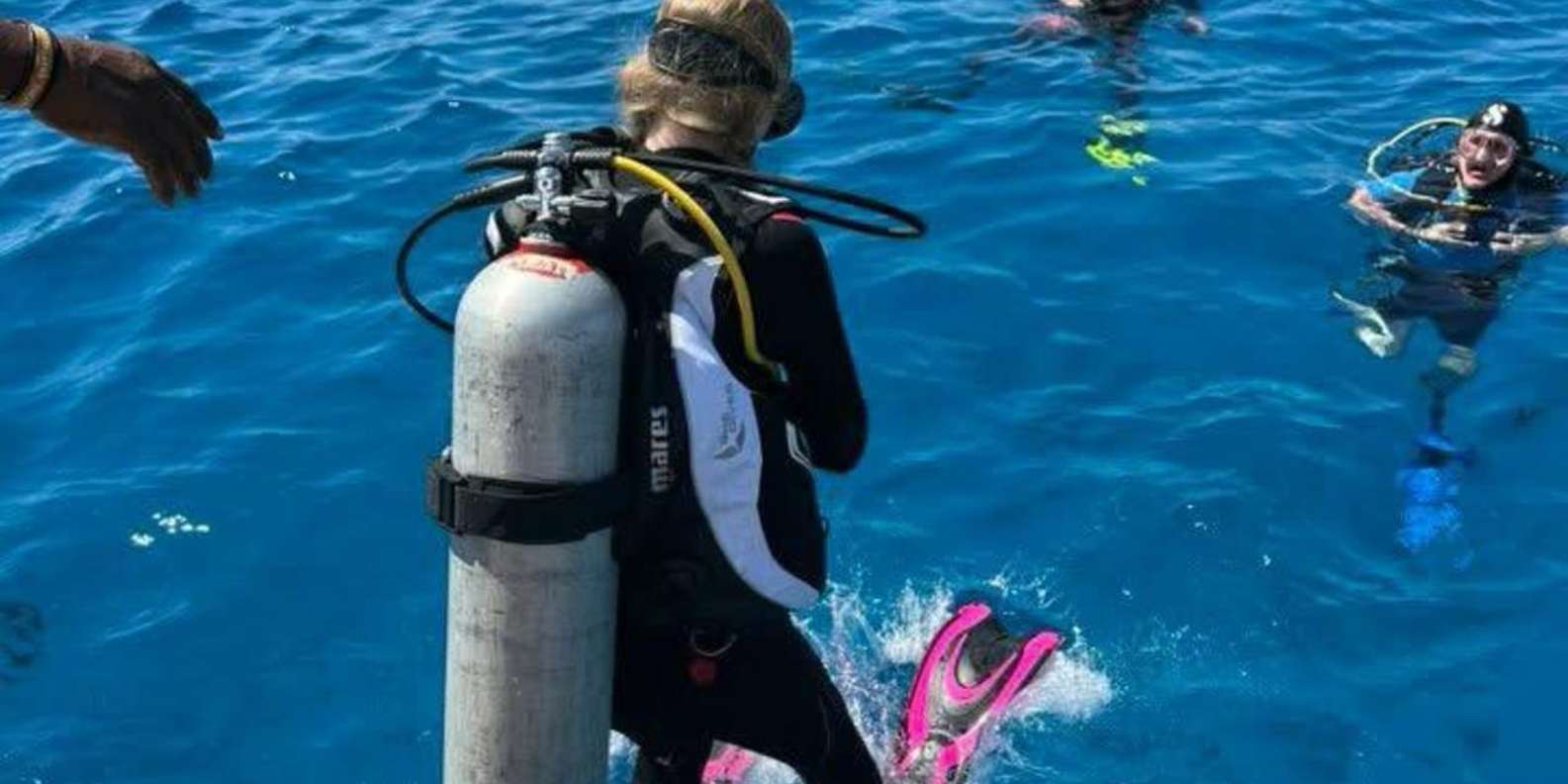
Calm new‑moon nights intensify bioluminescence and reduce surface glare. Aim for minimal wind and swell; even 10–15 knots can complicate entries. Water temperatures average ~22–24°C in winter and 27–29°C in late summer; plan exposure accordingly. Expect torch‑limited visibility yet comfortable profiles: many introductory night dives run 45–60 minutes at 6–12 m; review night diving tips for the Red Sea.
What to Expect
Briefings emphasize light etiquette, buddy signals and navigation by compass and natural contours. You’ll spot parrotfish in mucus “sleeping bags,” hunting morays, shrimp cleaning stations, bobbing cuttlefish and, if you’re lucky, a free‑swimming Spanish dancer. Kick gently to avoid silting, especially on wrecks. On new‑moon nights, kill your beam briefly and watch galaxies of plankton ignite around your hands.
Who This Is For
Confident Open Water divers can start on sheltered house reefs with a dedicated night briefing; Advanced or a Night Diver specialty opens more sites and depths. Macro photographers, critter lovers and meditative explorers thrive here. Wreck fans will savor low‑traffic decks after dusk—though overhead environments remain for trained, experienced divers only.

Booking & Logistics
In Sharm, Ras Mohammed lies roughly 45–60 minutes by boat; the Thistlegorm is a long offshore crossing often 2.5–4 hours each way, best with seasoned crews. Join a Ras Mohammed & White Island boat trip and ask about night‑dive add‑ons. Building skills? Take a PADI Advanced course in Hurghada to unlock night, navigation and deeper profiles.
Sustainable Practices
Use reef‑safe sunscreen, perfect neutral buoyancy, and avoid blinding wildlife—short, low‑power bursts only; never chase. Keep hands off coral and wreck artifacts; silt is life smothered. Choose operators using fixed moorings and no‑touch codes, with SMBs per diver and onboard O2/AED. Pack a reusable bottle and keep surface lights shielded to reduce coastal light pollution.
FAQs
Night diving is less about depth and more about discipline. Clear briefings, reliable lights and tight buddy awareness turn nervousness into awe. If you’re new, request a shore or jetty entry with minimal current, do a daylight orientation on the same site, and practice light‑off drills with your buddy before the descent.
Do I need Advanced certification?
Many operators accept Open Water for easy house‑reef nights after a checkout dive and detailed briefing; others prefer Advanced or a Night Diver specialty. The credential matters less than skills: buoyancy, situational awareness, torch etiquette and navigation. If you’re unsure, book a training dive to refresh compass work and emergency signaling.
Is the Thistlegorm suitable for a first night dive?
Not typically. The Thistlegorm is advanced even by day—currents, entanglement risks and overhead spaces. Depths run around 18 m on deck to ~30 m at the seabed. Do at least one daylight circuit first, carry primary and backup lights, a cutting tool, and follow a guide with wreck and night experience.
What gear and setup should I bring?
Carry a bright primary light (1000–2000+ lumens), a backup torch, and a marker light on your tank. A DSMB with lit spool is smart for surface signaling. Enable backlight on your computer, add a small focus light for macro, and wear 5–7 mm neoprene (plus hood) in winter nights when temps dip to ~22–24°C.
When the boats go quiet, the Red Sea whispers its secrets—neon sparks, curious octopus, history suspended on steel. Plan patiently, dive gently, and let the darkness sharpen your senses. From sheltered Dahab entries to Sharm’s storied wrecks, night diving here proves that the most luminous moments begin after sunset.


