
Red Sea Coral Gardens: A Guided Plunge into Egypt’s Living Reef Tapestry
Quick Summary: Glide above shallow coral gardens where turtles browse and clownfish dart through anemones. This experience marries wonder with responsibility: choose calm sites, go with attentive guides, and follow low‑impact etiquette to help keep Egypt’s most vibrant reefs thriving for 2025–2026 and beyond.
The first glimpse is electric: sunlight tessellates across hard tables and cauliflower heads while violet soft corals ripple like silk. Parrotfish crunch, anthias ignite the water column, and a shy hawksbill arcs into view. The Red Sea’s coral gardens feel intimate—shallow, bright, and close—yet they’re a living cathedral that asks for quiet feet and careful breath.
What Makes This Experience Unique
Coral gardens in Egypt sit in the sweet spot: shallow (often 2–12 meters), brilliantly lit, and teeming with approachable life that rewards even first-time snorkelers. Visibility regularly reaches 20–40 meters, and many sites are protected lagoons, so you can linger on details—from anemonefish nurseries to feather stars—without battling surge or current.

Where to Do It
Classic bases span the coast. Off Sharm El Sheikh, sheltered coves and house reefs brim with color minutes from shore. Farther south, Marsa Alam offers turtle-grazed seagrass beds and coral bommies inside calm bays. From Hurghada, boats fan out to the Giftun Islands for butter-clear water over vast patch reefs and sandbars.
Best Time / Conditions
For glassy seas and gentle breezes, target March–June and September–November, when water hovers around 24–28°C and winds ease. Winter (roughly 22–24°C) brings crisp visibility and quieter boats; summer peaks at 29–30°C but can be windy in exposed channels. Mid-morning light (10:00–13:00) makes colors pop across the shallows.
What to Expect
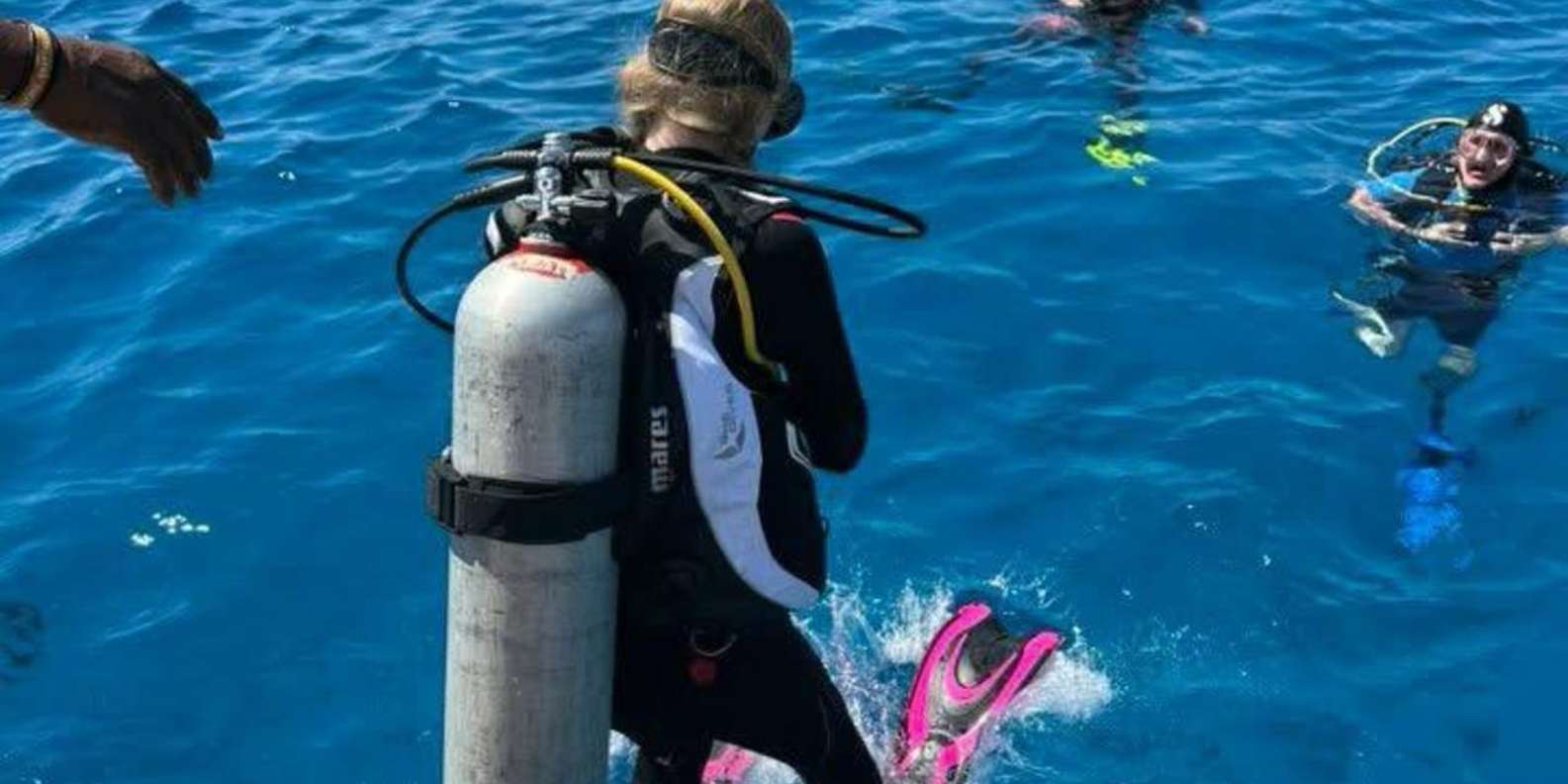
Most trips pair two guided snorkel sessions (40–60 minutes each) with beach or sandbar time. Boat transits run 30–60 minutes to offshore gardens; near-shore house reefs may be a five-minute zodiac hop. Expect briefings on route, buoyancy, and marine life—then an unhurried drift as your guide points out camouflaged scorpionfish and lazy green turtles.
Who This Is For
Coral gardens suit curious beginners, families, and photographers who prefer natural light and slow detail over deep walls. Confident swimmers can roam supervised; nervous snorkelers stick close to life rings. Divers love them, too, for relaxed macro and behavior shots in the 5–10 meter zone, where color saturation and fish density are highest.

Booking & Logistics
Look for small-group boats (max 12–18), in-water guides, and clear safety protocols. If turtles top your wishlist, consider a dedicated Coral Garden snorkeling tour from Marsa Alam. From Hurghada, operators head to Giftun reefs with shaded decks, fresh-water showers, and included lunch; quality outfits provide prescription masks on request.
Sustainable Practices
The Red Sea’s reefs remain resilient, yet stress points exist. Choose mooring-equipped boats, skip reef touch-and-takes, and keep fins up—one careless kick can smash decades of growth. Sunscreen matters: use reef-safe formulas or cover up. For the bigger picture on seasons and site sensitivity, see our latest Red Sea coral reef report.
FAQs
Guided coral garden trips are designed to be welcoming and calm, with step-by-step briefings, surface support, and an easy pace. Expect buoyancy tips, clear hand signals, and a route that stays within shallow, bright water. Ask for a short “skills check” at the ladder if it’s your first time on a reef.
Do I need to be a strong swimmer?
No. You should be comfortable in water, but guides carry life rings and often provide snorkeling vests. Calm sites are chosen based on wind and current, with short entries and exits. If you’re nervous, start on a house reef in a sheltered bay before venturing to offshore gardens.
Will I see turtles and clownfish?
Turtles are common in seagrass-fringed bays like those near Marsa Alam; clownfish and their anemones thrive on many shallow gardens coastwide. Wildlife is never guaranteed, but patient, slow drifting boosts your odds. Guides excel at spotting cryptic species like octopus and crocodilefish you’d likely scan past alone.
What should I bring—and what’s provided?
Most tours include mask, snorkel, fins, wetsuit (seasonal), and guide. Bring a rash guard, hat, and reef-safe sunscreen; a thin 3 mm suit is comfy when water dips near 22–24°C. Pack a drybag for phones, and a microfiber towel. Photographers should add a red filter to restore warm tones at depth.
Coral gardens reward slowness: fewer kicks, longer looks, and a little humility. If you’re planning a first splash in Hurghada, start with our practical Hurghada snorkeling guide, then widen the lens with our coast-wide reef health briefing to choose the right season, site, and style—for you and for the reef.


