
Your Dive Log, Verified: How Blockchain Makes Red Sea Diving Safer and Smoother
Quick Summary: A blockchain-verified dive log turns your experience into a portable, tamper-proof passport—speeding boarding, matching skills to sites, and powering reef conservation with reliable, consent-based data.
Dawn on the jetty and the clipboard shuffle begins—cert cards, insurance, number of logged dives. Now imagine a quick QR scan that proves your training, last dive profile, and nitrox status in seconds. In Egypt’s Red Sea, blockchain-backed verification is quietly turning chaotic check-ins into confident briefings—and giving reefs a valuable stream of honest data.
What Makes This Experience Unique
Unlike screenshots or easily forged paper logs, blockchain verification issues cryptographic, tamper-resistant credentials for your certifications and dive history. Operators can confirm depth limits, recent activity, and specialties without seeing more than you consent to share. The result: safer buddy-matching, cleaner gas planning, and faster boat roll calls—plus a portable record that opens doors to advanced sites without repeated tests or guesswork.

Where to Do It
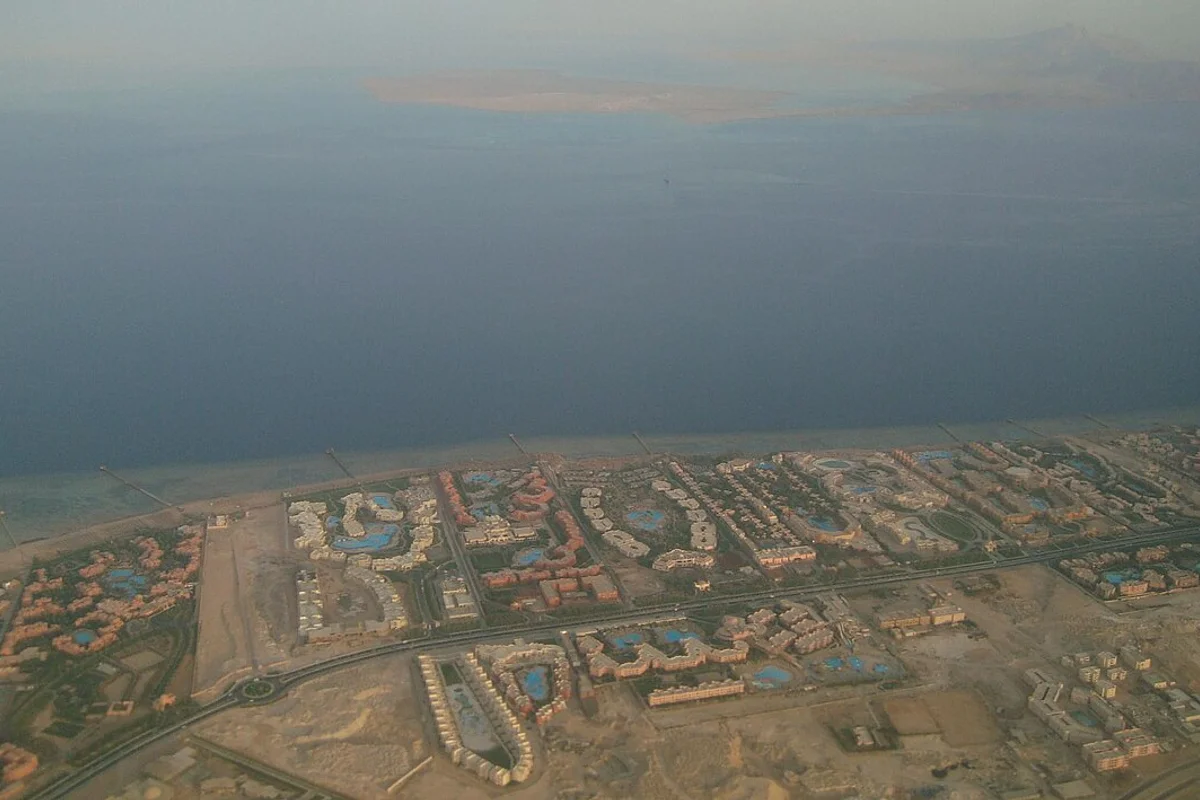
Adoption is spreading from day boats to liveaboards, with early momentum around Sharm El Sheikh and Hurghada. If you’re Sharm-based, look for operators piloting blockchain check-ins on the Ras Mohammed diving trip or on the classic Tiran Island tour. South in Marsa Alam, expect wallet-based verification to streamline early starts to Elphinstone and offshore pinnacles.
Best Time / Conditions
Year-round diving thrives on 20–30 m visibility; water averages around 22–24°C in winter and 27–29°C in late summer. Spring and autumn bring calmer seas and gentler currents, ideal for skill refreshers before advanced sites. If Dahab tempts, study the Blue Hole safety protocols—blockchain doesn’t replace judgment; it amplifies it by aligning profiles with conditions.
What to Expect
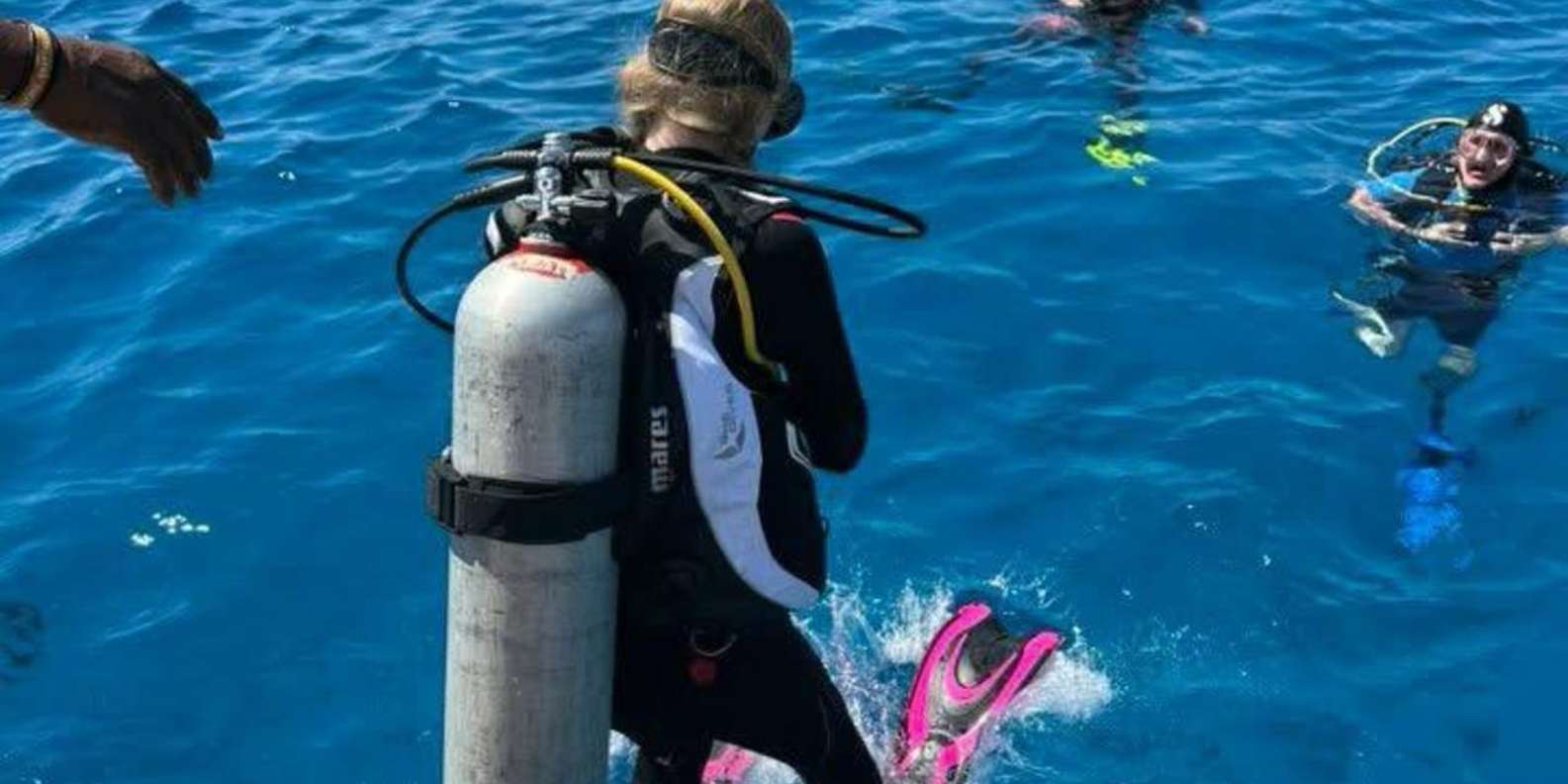
At check-in, a scan verifies your cert level, last dive date, and optional specialties (e.g., Deep, Nitrox). Your captain sees just enough to assign guides and depths. On advanced runs, verified logs can unlock sites like the Thistlegorm—its superstructure sits roughly 16–22 m with the seabed near 30 m—and guide gas planning for a 2.5–4 hour crossing from Sharm, weather-dependent.
Who This Is For
New divers gain tailored, confidence-building briefings without overshooting limits. Traveling intermediates skip redundant checkout dives by proving recent activity. Photographers and tech-curious explorers appreciate cleaner logistics when scheduling deeper or current-prone routes. For crews, verifiable rosters reduce paperwork and risk, freeing time for environmental briefings and site-specific conservation reminders that elevate everyone’s day on the water.
Booking & Logistics
Choose operators that support verifiable dive wallets (most work offline and sync later). Bring your physical cert card as a backup, but expect QR-based check-in to speed things up. If you plan Elphinstone, note it lies about 12 km offshore; verification helps crews pre-assign teams for drop-offs beyond 70 m. Keep eSIM data handy for confirmations, yet consent to share only what’s required.
Sustainable Practices
Anonymized, aggregate logs help parks calibrate moorings, stagger entries, and spot stress on popular reefs. Verified entries are harder to game, improving the quality of citizen science submissions that guide closures and recovery. If you’re passionate about impact, opt-in to share non-personal data and follow briefings grounded in new dive sites and reef conservation research—precision protects the coral you came to see.
FAQs
Blockchain in diving sounds complex, but for guests it feels like a faster, smarter check-in. You store credentials in a secure wallet; the boat scans a code that verifies authenticity without exposing your private details. The biggest difference you’ll feel is a tighter briefing, better buddy pairing, and quicker turns between sites—especially on busy days or weather windows.
How does verification work on the jetty?
You present a QR code from your wallet app. The operator’s device validates signatures on your certs and recent dive entries, then displays a minimal profile: highest certification, last dive date, specialties, and optional medical clearance. It’s instant, tamper-resistant, and revocable. No internet? Most systems cache proofs offline and sync to the ledger once connected.
Is my data private—and who can see it?
You control consent granularly: share only what’s required for the day’s plan. The blockchain stores proofs, not your full personal record. Operators see verification outcomes (valid/invalid) and essential fields you approve. Aggregate conservation metrics strip identifiers, focusing on counts and conditions. You can revoke access at any time, and transfers between operators remain portable.
What if my dive shop doesn’t support it yet?
No problem: carry your physical card and printed log extracts. Many crews will still accept your wallet as a supplementary proof. Ask them to note your verified cert level in the roster for clarity. As adoption grows across the Red Sea, your verified log becomes the easiest way to access advanced sites without repeating checkout hoops.
On a sea where clarity is everything, blockchain brings clarity to people and processes too. Your verifiable logbook becomes a passport to Ras Mohammed walls, Tiran plateaus, and deep-briefed wreck days—while feeding the data that helps reefs recover. Book with operators who embrace verification, and dive like your skills—and the corals—truly matter.


