
Drift Diving the Straits of Tiran: Let the Currents Lead
Quick Summary: Follow Tiran’s natural conveyor belt across Jackson, Woodhouse, Thomas, and Gordon. Expect pelagic fly-bys, neon coral gardens, and the Louilla wreck—an expert-led, season-savvy adventure where you trade fin‑kicks for flow and pair adrenaline with reef stewardship.
At the northern threshold of the Gulf of Aqaba, the Straits of Tiran funnel ocean energy into four iconic reefs. You roll in, tuck streamlined, and feel the water take you—past darting fusiliers, patrolling jacks, and coral tapestries flashing like film frames. Day boats fan out from Sharm, RIBs stand by, and the Louilla’s rust-red ribs crown the scene as you surface beside Gordon’s reef top.
What Makes This Experience Unique
Drift diving here is cinematic: a seamless glide along Jackson, Woodhouse, Thomas, and Gordon where the seascape scrolls by—pelagics in the blue, gardens blazing on the shoulder, and the Louilla wreck rising like a set piece. You focus on trim, breath, and timing while expert guides choreograph drop points and RIB pick-ups.
The four reefs sit like stepping-stones across a high-energy corridor, so dives are shaped by water movement rather than a fixed route. One day you’ll fly along a reef wall at 18–25 m, watching anthias ripple over hard coral terraces; another day you’ll stay shallower, hugging the shoulder at 10–15 m to keep the group together in a brisk push.
Because the terrain is varied—walls, plateaus, and pinnacles—Tiran rewards divers who can “read” the reef. You’ll spot where currents accelerate over a saddle, where eddies form behind coral heads, and where baitfish gather when blue-water flow meets structure. It’s the kind of diving where a good guide doesn’t just point out fish—they manage pace, spacing, and depth so the whole group stays safe and synced.
Where to Do It
The Straits of Tiran are typically accessed by boat from Sharm El Sheikh and the surrounding Sinai coast. Most day trips run north-east from Sharm’s marinas toward the Tiran reefs, with the exact reef order decided by wind, surface chop, and current direction. Operators often plan two dives at Tiran with a surface interval on the boat, then adjust the drift route on the fly based on conditions.
Jackson Reef is the headline for blue-water action. The exposed, current-facing side can bring trevally, barracuda, and occasional shark sightings when bait stacks up in the channel. The reef has sheer sections and a shoulder that lets guides choose a conservative line if the flow is fast.
Woodhouse Reef is long and narrow, ideal for classic “let it carry you” drifts. It’s often appreciated for the feeling of distance covered in a single dive—reefscape sliding past while you maintain neutral buoyancy and steady depth. Expect dense reef fish life along the coral ridge and a drop-off that can tempt you deeper if you’re not mindful of your plan.
Thomas Reef is frequently the most technical of the four because the wall and contour changes can amplify current and create down-current zones near corners. Many teams treat it as an advanced drift with a clear depth limit and tight group control. When conditions line up, it delivers dramatic wall scenery, big fans, and the sense of flying along a vertical face.
Gordon Reef mixes reef top, slope, and a marquee surface feature: the Louilla wreck remnants perched on the reef. The visible steel ribs make for an easy surface landmark, and underwater the terrain gives guides options for a gentler finish if the drift runs hot. It’s also a common pickup area because the reef top and wreck provide a recognizable endpoint.
If you’re planning a wider Red Sea itinerary, Tiran pairs well with other styles of diving: sheltered reefs and training bays around Makadi Bay and Sahl Hasheesh, reef-and-wreck days from Hurghada, and currenty reefs in their own right around Dahab. For a different vibe—lagoons and easier surface logistics—El Gouna can be a good contrast day on a longer Egypt trip.
Best Time / Conditions
Tiran is diveable year-round, but the feel of the drifts changes with season. Water temperatures generally range from about 22°C in winter to around 28–30°C in late summer. In cooler months, a thicker wetsuit and better thermal planning matter because long drifts can be surprisingly chill when you spend time in mid-water.
Spring often brings improving temperatures and lively reef activity as conditions transition. Seas can still be changeable, and a flexible itinerary helps—operators may shift departure times or site order to avoid the roughest surface conditions. Visibility is frequently very good, which makes it easier to maintain buddy contact in blue-water sections.
Summer delivers the warmest water and long, bright dive days. It can also bring stronger winds and surface chop at times, and busier boat traffic from Sharm. Early departures are common to beat both wind and crowds, and to catch calmer seas for entries and pickups.
Autumn is often a sweet spot: warm water lingers, the worst heat eases, and many divers find conditions comfortable for longer bottom times. Winter (December–February) tends to have cooler water and can bring windier spells; on those days, operators may swap to more sheltered Sinai sites if the Straits are too exposed for safe RIB pickups.
Currents in the Straits can be mild to very strong, and they may change during a single dive depending on depth and reef contour. The key “condition” here isn’t just temperature—it’s current management. Good operators brief entry style (including negative entries when needed), expected drift line, maximum depth, and what to do if you get separated.
What to Expect
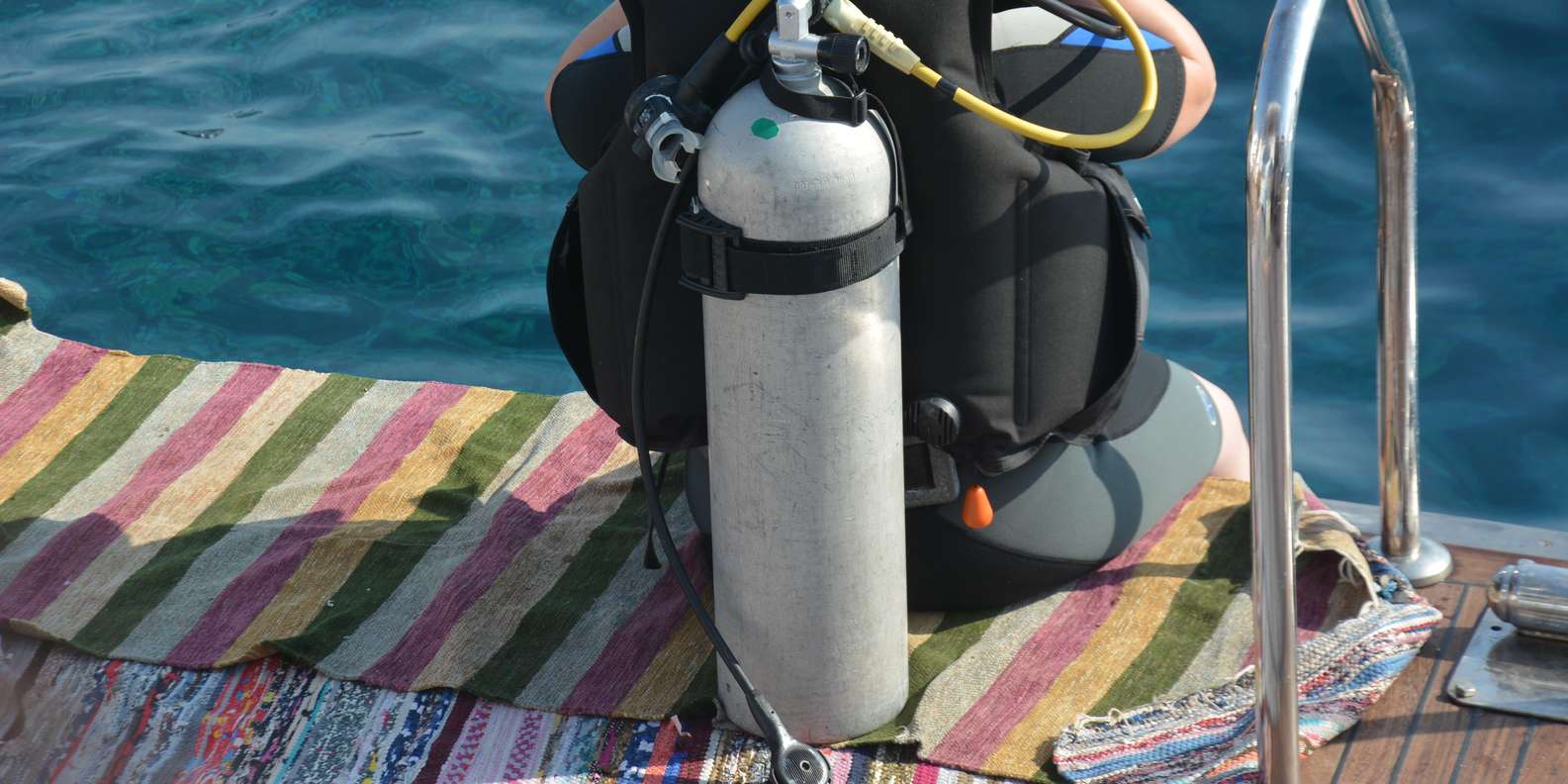
RIBs handle pickups at agreed markers—think Jackson’s blue edge or Gordon near the Louilla—so you surface exactly where the plan dictates.
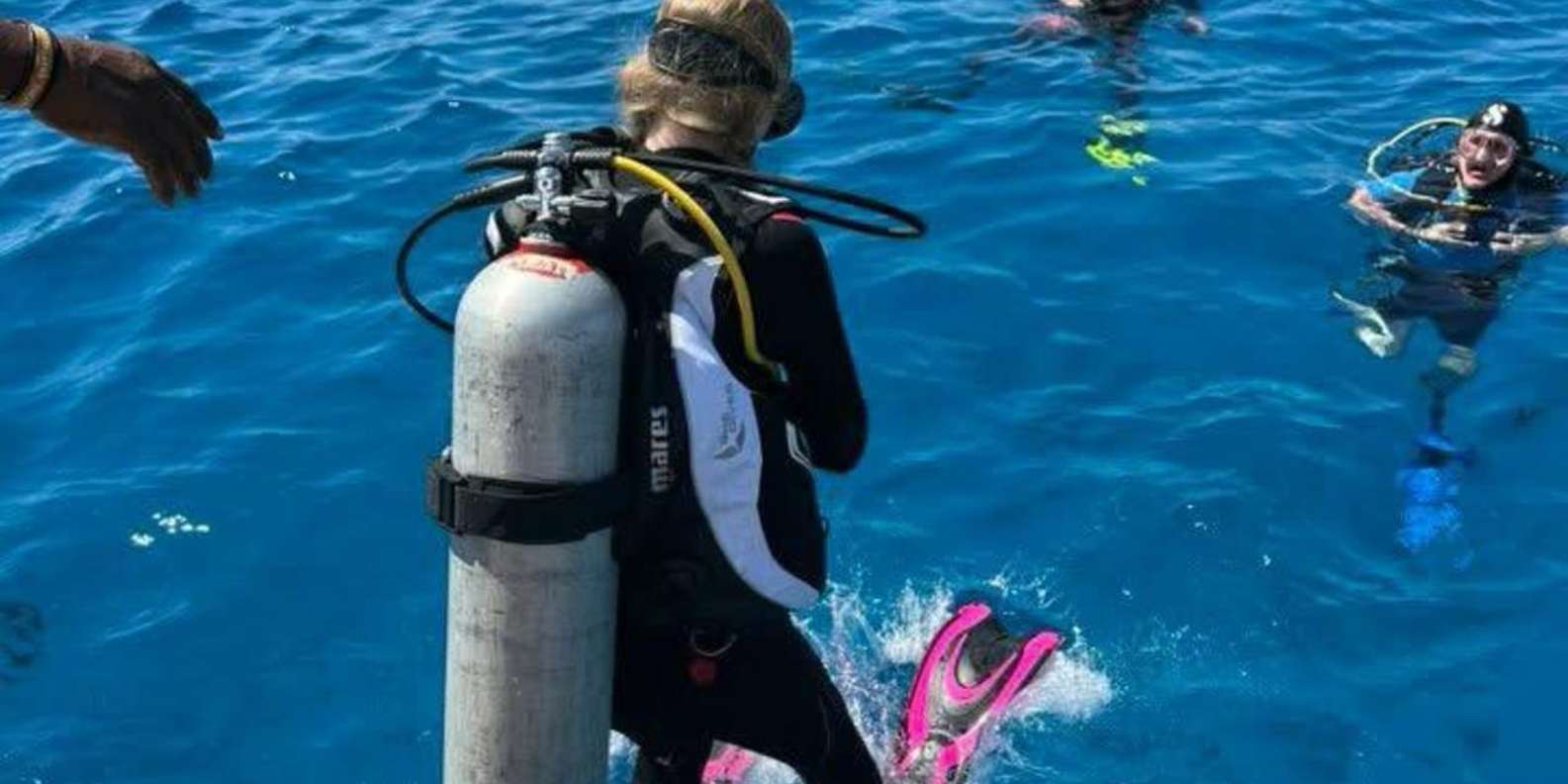
A typical day starts with a detailed boat briefing: which reef, which side, what the current is doing, and how the group will enter. If the flow is pushing, you may do a negative entry—descending promptly to avoid getting blown off the reef on the surface. Guides will emphasize staying streamlined, keeping fins behind you, and avoiding vertical “yo-yo” buoyancy that can split the group by depth.
Underwater, you’ll drift in a controlled corridor: close enough to the reef to use it as a visual reference, but not so close that surge and coral projections become hazards. Your job is mostly to maintain trim and spacing, watch your depth, and keep your head on a swivel—reef to one side, blue water to the other. This is where pelagic sightings happen: you’re scanning the open side while the reef passes like a moving mural.
As the dive ends, the guide will steer the group toward the agreed pickup zone or a safer shallow area to deploy SMBs. Surface procedures are part of the experience: you inflate the SMB, do a controlled ascent, and stay tight as a group on the surface so the RIB can approach cleanly. Efficient pickups matter in the Straits because current and wind can separate divers quickly if everyone surfaces scattered.
Who This Is For
Confident Open Water divers with drift experience thrive here; Advanced Open Water plus a drift specialty is ideal. Good buoyancy, situational awareness, and comfort with group spacing are essential. Non-divers and new snorkelers can still enjoy gentler lee-side reefs around Sinai—pair a dive trip with a relaxed coastal day in DahabDahab travel guide.
Booking & Logistics
Most drift diving in the Straits of Tiran is arranged as a day boat trip from Sharm El Sheikh, typically with two dives plus a surface interval on board. Operators decide the final reef order based on current direction, wind, and what other boats are doing, so it’s normal for the plan to stay flexible until the morning of the trip. If your main goal is pelagic action at Jackson or a specific route at Thomas, mention it when booking and ask how often they run that lineup.
Expect standard inclusions to vary by operator: some trips bundle tanks, weights, and guide services, while others price equipment rental separately. Don’t assume anything is automatic—confirm whether your package includes SMB and reel (or whether you must bring your own), and ask about the guide-to-diver ratio for stronger-current days. If you’re traveling with a mixed group, also check whether the operator can place less-experienced divers on gentler drifts while advanced divers do a more exposed line.
Pack and prep like it’s a “boat + current” day. Bring a surface marker buoy you’re comfortable deploying, a cutting tool, and reef-safe sunscreen for the surface interval. A windproof layer for the boat ride is useful outside peak summer, and keep hydration in mind—current dives can be deceptively effortful even when you’re not finning hard.
On timing, give yourself a buffer day in Sharm if Tiran is the headline of your trip. Wind can close out exposed sites, and the best operators will call it rather than force marginal conditions. If Tiran is blown out, it’s smart to have a backup plan around Sharm or even a land day exploring Sinai, then return to the Straits when the forecast improves.
Sustainable Practices
Tiran’s reefs handle heavy visitation, so small choices have a real impact. Maintain neutral buoyancy and keep fins up—plate corals and delicate branching structures can take years to recover from a single careless kick. If the group pauses in current, avoid grabbing the reef; your guide will choose sandy patches, stable rock, or simply keep the team moving rather than anchoring on living coral.
Use reef-safe sunscreen and apply it well before entering the water so it has time to absorb. Onboard, minimize single-use plastics by bringing a refillable bottle, and secure loose items so they don’t blow overboard during surface intervals. Even small debris can end up lodged in coral heads or eaten by turtles and fish.
Photography is part of the draw here, but current is not the place for tunnel vision. Keep your camera setup compact, prioritize situational awareness, and never chase wildlife into the blue where separation risk increases. If you see a guide signaling “close in,” treat it as a reef-protection cue as much as a safety cue—tight groups are easier to manage and less likely to bump coral in surge.
Finally, support operators who brief and enforce good practices: proper SMB use, no-contact policies, and sensible site selection based on conditions. Responsible guiding protects divers and reefs at the same time, especially in a high-energy corridor like the Straits of Tiran.
FAQs
Drift diving the Straits of Tiran is equal parts choreography and calm. It’s about timing entries, reading the blue, and trusting seasoned guides who know how eddies form around pinnacles. Below, practical answers to the most common questions—so you can focus on the flow, not the fuss.
What certification and experience do I need?
Advanced Open Water with recent drift experience is ideal. Comfortable buoyancy, controlled descents for negative entries, and confident SMB use are musts. Many operators accept strong Open Water divers on gentler drifts, but honest self-assessment matters; ask for site choices that match your logbook and comfort.
Which reef is best for pelagic sightings?
Jackson’s blue edge is a classic when currents sweep bait into the channel, drawing trevally, barracuda, and occasional sharks. Woodhouse and Thomas can also light up along the shoulder. Pelagics are never guaranteed, but early starts, clean entries, and hugging the blue-facing edge improve your odds.
How do operators handle currents and safety?
Guides time drops to ride favorable lines, keep groups tight at a consistent depth, and signal RIBs for pickups. You’ll carry an SMB; some teams add reef hooks for holds off live coral. Briefings define abort points, gas turn pressures, and buddy spacing to keep drift teams coherent in motion.
In Tiran, the sea becomes a moving walkway—one that rewards good habits and quiet confidence. Base in Sharm for easy boat access and broader Red Sea plans via our city primerSharm El Sheikh travel guide, then pair high-energy drifts with slower coral time across Sinai via Dahab’s shoresDahab travel guide. When the current calls, relax, streamline, and go.


