
Into the Red Sea’s Living Kaleidoscope: Corals, Endemic Fish, and Urgent Wonders
Quick Summary: The Red Sea dazzles with neon coral gardens, endemic fish, and glass‑clear visibility. Here’s where to go, what to expect, prime seasons, and how to book responsibly—plus easy ways every traveler can help protect Egypt’s reefs amid warming seas and rapid coastal growth.
Slip beneath the surface and the Red Sea answers in color—anthias flicker like confetti, parrotfish rasp at coral, and soft corals bloom in cotton-candy hues. Visibility can stretch 20–30 meters, and even a shallow five‑meter patch feels cinematic. It’s a waking dream with an undertow of urgency: reefs are resilient, but the clock is ticking.

What Makes This Experience Unique
The Red Sea is a biodiversity hotspot with exceptional endemism—mask butterflyfish, Red Sea bannerfish, and Sinai tiger butterflyfish star among species you won’t meet elsewhere. Add bathtub‑clear water, shore-accessible drop‑offs, and rare thermal tolerance in northern reefs. The result: easy access to big-diving drama, from nursery shallows to sheer blue walls.
Where to Do It
For classic reef drama, base in Sharm El Sheikh, with house reefs and fast boat access to Ras Mohammed and Tiran. Shore divers and freedivers gravitate to Dahab for iconic sites like the Blue Hole. Hurghada and El Gouna deliver family-friendly bays and island reefs; Marsa Alam offers seagrass meadows frequented by turtles—and sometimes dugongs.
Planning deep dives? Study the best dive sites in Sharm el Sheikh for a mix of beginner walls, current-swept plateaus, and historic wrecks. Shore snorkelers can pick resorts with living house reefs, trimming travel time and maximizing water time right off the jetty.

Best Time / Conditions
Expect seas of roughly 22–30°C across the year, coolest in winter and warmest late summer. Winter brings sublime visibility and calmer crowds; spring and autumn balance warmth and marine life action. Summer thermoclines can tease pelagics, but bring sun protection. Morning boats often beat wind and chop, improving comfort and clarity.
What to Expect
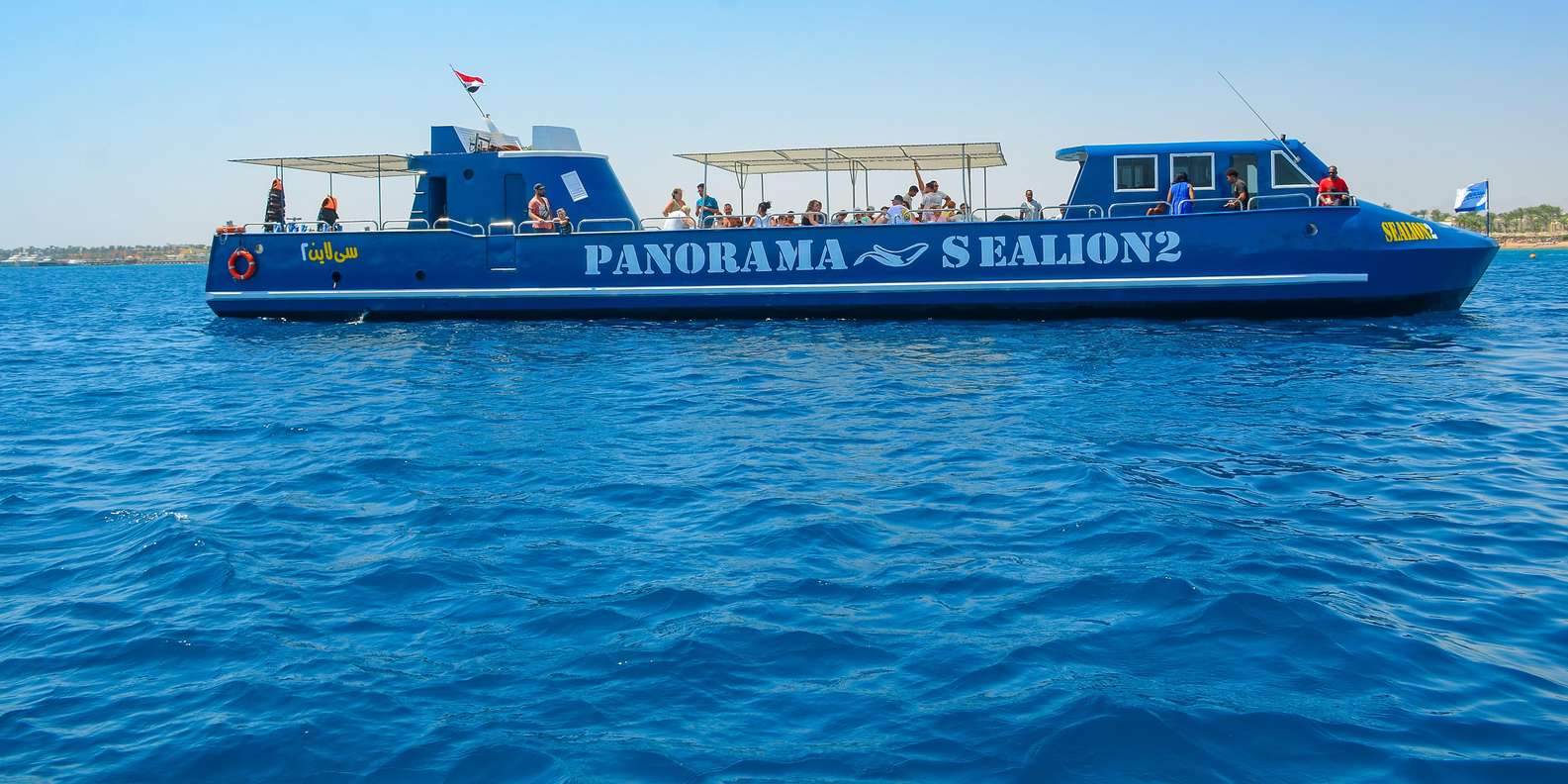
Beginner-friendly reefs start in two to five meters, with drop‑offs within finning distance; advanced walls plunge far beyond recreational limits. Semi‑submarines sit about five meters below the surface for dry, panoramic reef views—ideal for non‑swimmers. From Sharm marinas, boats to Ras Mohammed typically run 45–60 minutes, leaving ample time for two or three sites.
Families and photographers should anticipate anthias clouds, fusilier streams, and the occasional turtle fly‑by. Look closely for endemic gems—Masked butterflyfish pairs, Red Sea bannerfish, and lemon-yellow goatfish. Night brings octopus, hunting lionfish, and Spanish dancers; currents can flip a site’s mood, so heed daily briefings.
Who This Is For
Snorkel-first travelers, new divers, macro lovers, and blue‑water chasers all thrive here. Non‑swimmers aren’t sidelined: semi‑submarine experiences like the Royal Sea Scope Hurghada make reef time inclusive. Underwater naturalists can spend days identifying endemics; families find easy house‑reef access and short boat runs that fit naptimes.
Booking & Logistics
Choose operators prioritizing briefings, mooring buoys, and group sizes capped for safety and wildlife comfort. For effortless reef time, a semi‑submarine and snorkeling tour in Hurghada blends glass‑cabin viewing with a guided shallow swim. Pack reef‑safe sunscreen, a rash guard, and your own mask for fit. Confirm marine‑park fees and bring cash for tips.
Sustainable Practices
Think buoyancy first—hover, don’t kneel. Never touch or feed marine life; keep fins high over coral. Use mineral, reef‑safe sunscreen or UPF layers. Choose boats that use mooring buoys, recycle, and brief conservation. Skip single‑use plastics; refill bottles onboard. Consider a fish‑ID workshop or logbook to turn encounters into data that helps.
FAQs
The Red Sea rewards curiosity: even a hotel jetty can open onto layered coral terraces, schooling fish, and sandy patches that shelter rays. Below, we answer common questions from 2026 travelers—how non‑swimmers can join, which endemics to spot, and what changes to expect as seas warm and coastlines grow.
Can non-swimmers still enjoy the reefs?
Yes. Semi‑submarines glide over reefs in air‑conditioned cabins with large windows, typically around five meters below the surface, so you see coral gardens without getting wet. Many tours include optional shallow snorkeling tours with a guide and lifebuoy, making it accessible for mixed‑ability groups and families.
Which endemic fish should I look for?
Start with Masked butterflyfish cruising in pairs, Red Sea bannerfish fluttering over drop‑offs, and the bold Sinai tiger butterflyfish in coral thickets. Look for lemon-yellow goatfish sifting sand and jewel-like dottybacks peeking from crevices. To prep your eye, skim our Red Sea marine species guide before you go.
Are the reefs changing—and how can I help?
Some northern reefs show unusual heat tolerance, but pressure is rising: warming summers, coastal development, and anchor damage. Help by choosing operators who use moorings, wearing reef‑safe sunscreen, perfecting buoyancy, and never touching coral. Logging sightings and avoiding single‑use plastics amplify your positive impact across busy sites.
Standing on a sun‑bleached jetty above water clear as air, you realize the Red Sea’s greatest luxury is access—wild beauty within easy reach. Go early, go gently, and let the reef set the pace; with mindful choices, today’s kaleidoscope can remain tomorrow’s classroom and sanctuary for Egypt’s coast.


