
Red Sea Retreats: Quiet Rituals, Living Reefs
Quick Summary: Along Egypt’s Red Sea, wellness isn’t a spa add‑on—it’s a pact with the water. Retreats pair sunrise breathwork, mindful snorkeling tours, and seagrass floats with reef‑safe practices and citizen science, so your reset actively helps coral gardens recover.
At first light, the Red Sea is a mirror. A guide kneels on the jetty, teaching slow inhales synced to ripples; later, a marine biologist points to tiny coral fragments on nursery frames, each one a future thicket. Here, restoration is braided with ritual: move quieter, breathe deeper, leave the reef stronger than you found it.

What Makes This Experience Unique
Red Sea retreats marry ancient coastal practices—breathwork, hammam traditions, and slow sea immersion—with hands-on reef care. You’ll learn neutral buoyancy as a mindfulness tool, switch to mineral sunscreens, and witness coral micro‑fragment growth. The result is personal renewal firmly tethered to living ecosystems that benefit from your presence.
Where to Do It
Base in Hurghada for calm, house‑reef access and gentle lagoon entries, or in Sharm El Sheikh for Ras Mohamed’s iconic walls and conservation hubs. Eco‑minded properties and operators increasingly align with reef‑safe standards; browse ideas for eco‑friendly resorts in Sharm El Sheikh to anchor a restorative base and minimize transit.
Best Time / Conditions
The Red Sea is reliably clear year‑round, with typical visibility of 20–30 meters. Sea temperatures hover around 22–24°C in winter and 27–29°C in late summer, ideal for unhurried snorkels. Early mornings bring the lightest winds and glassiest surface. Shoulder seasons offer softer sun for jetty yoga and longer, gentler swims.
What to Expect
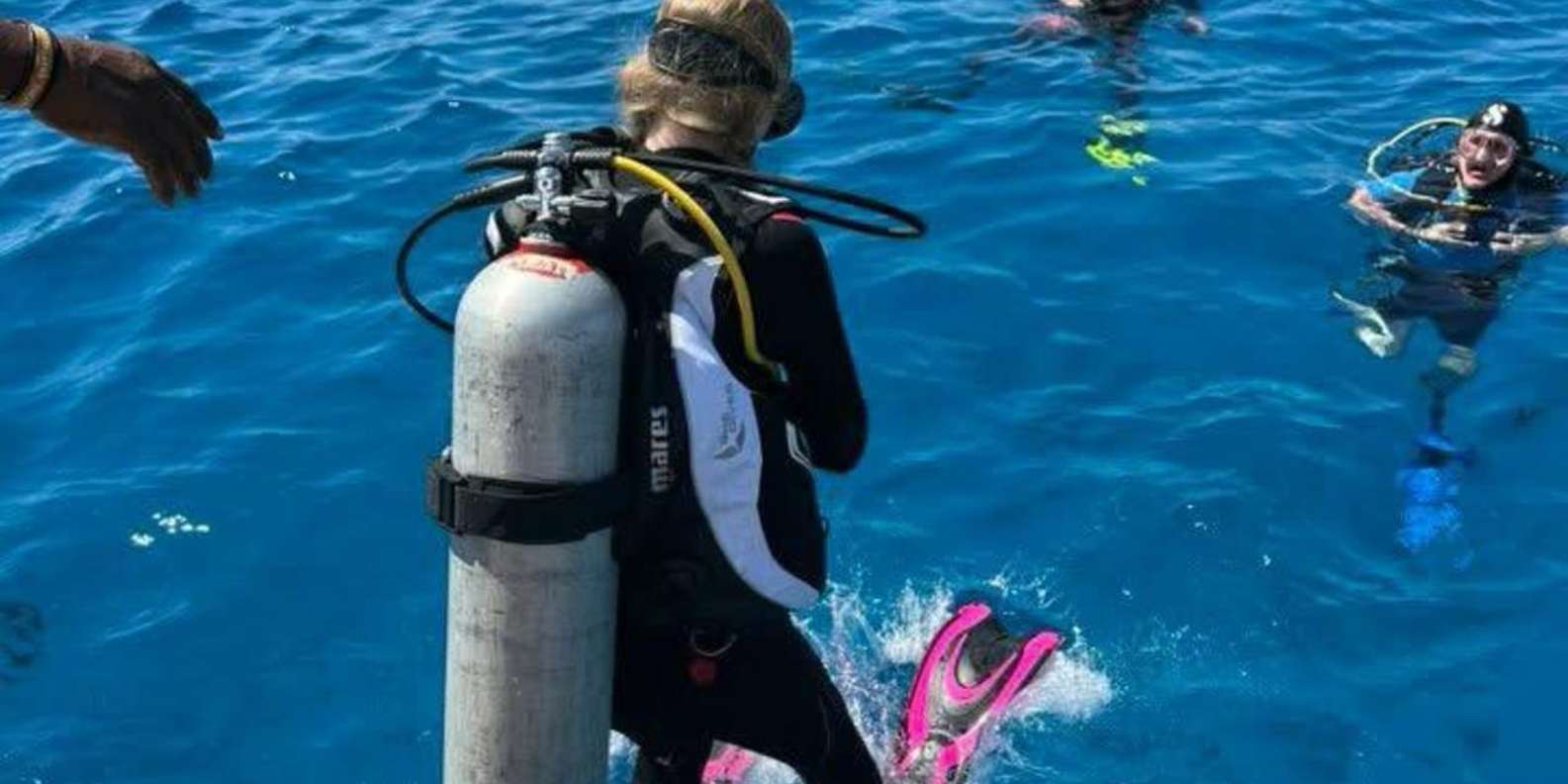
Days balance shoreline practices and marine time: breathwork on jetties, guided mindful snorkels above shallow patch reefs, and introductions to coral nurseries or mooring‑buoy etiquette. Expect short briefings on fish behavior and seagrass benefits, plus slow entries from sheltered coves. Evenings often close with desert‑edge meditations as the sea quiets.

Who This Is For
Perfect for curious travelers who prefer contemplation to adrenaline: first‑time snorkelers, burnt‑out urbanites, and eco‑minded families with older kids. You should be comfortable floating and swimming short distances. diving experiencesrs will find value too—neutral buoyancy becomes a wellness practice, not just a skill—and non‑diving experiencesrs can still contribute meaningfully.
Booking & Logistics
Fly into Hurghada or Sharm; flights from Cairo are about one hour. Most marinas sit 10–25 minutes from resorts, and boats reach Ras Mohamed in roughly 45–60 minutes. For a mindful sea day, consider the Ras Mohamed & White Island snorkelling tour. Between sessions, a slow Hurghada city walk resets the senses without overtaxing your energy.
Sustainable Practices
Choose operators using mooring buoys instead of anchors and offering reef‑safe sunscreen options. Keep fins high over coral, maintain a two‑meter buffer from bommies, and never stand on living structures. Join citizen‑science fish counts or seagrass floats; even data from shallow five‑meter zones guides restoration priorities for nurseries and no‑anchor areas.
FAQs
Wellness‑meets‑reef trips are designed for unhurried pacing, shallow entries, and learning by doing. Whether you’re new to snorkeling tours or easing back after stress, sessions favor quiet techniques and short, guided immersions. Questions below address safety, skills, and how your time tangibly supports reef recovery without demanding advanced experience.
Do I need to be a strong swimmer or diving experiencesr?
No. Most experiences use sheltered coves and house reefs starting just a few fin kicks from the jetty, often floating above seagrass or coral patches in two to five meters of water. Buoyancy aids are available, and guides teach relaxed breathing and efficient kicks that reduce effort and protect the reef.
How exactly does my visit help the reef?
Your impact comes from choices and participation: using mineral sunscreens, gliding rather than standing, joining litter sweeps, and contributing species observations. Fees often support mooring maintenance and coral nursery materials. When operators see demand for reef‑positive practices, those standards spread across boats, beaches, and bays.
What should I pack for mindful, reef‑safe days?
Bring a long‑sleeve rashguard, brimmed hat, and mineral sunscreen (zinc or titanium) to cut chemical load. A low‑volume mask improves relaxed breathing. Soft‑soled booties help on rocky entries. A lightweight scarf covers shoulders during on‑shore practices, and a reusable bottle keeps you hydrated between gentle sea sessions.
On the Red Sea, quiet isn’t the absence of sound; it’s the sea dictating your tempo. The more you attune to breath and buoyancy, the more the reef reveals: a new coral nubbin, a cloud of glassfish, your own unspooled mind. Renewal lands twice—once in you, once in the water that welcomed you.


