
Earning Dahab’s Blue Hole: Safety, Discipline and Wonder
Quick Summary: The Blue Hole rewards planning. Choose the right route, stay inside your certification, track wind and visibility, and leave no trace. Confidence is earned through discipline; the reef remains exactly as you found it.
Stand on the basalt lip and the seafloor vanishes to ink. Dahab’s Blue Hole feels infinite, a vertical amphitheatre of light and shadow. To savor it safely, you earn it: precise planning, a route that suits your certification, and a conservation mindset that leaves no trace on this living rim of stone and coral in Dahab.
What Makes This Experience Unique
The Blue Hole is a near-perfect sinkhole dropping beyond 100 meters, with a reef “saddle” and the famed Arch that begins roughly 52–56 meters down—strictly technical territory. Its shore entry, stark desert backdrop, and year-round clarity create a paradox: easy access to an unforgiving void. Safety culture and checklists—not bravado—unlock its wonder, as outlined in our essential Blue Hole safety protocols.

Where to Do It
Most divers choose the Bells-to-Blue-Hole route: descend the chimney at Bells, cruise the outer wall, then re-enter across the saddle. Snorkelers and new divers can enjoy the inner pool’s rim in calm seas. For freedivers, safety lanyards, counterweight systems, and a surface spotter are non-negotiable—see our freediving challenges guide.
Best Time / Conditions
Early mornings bring calmer wind and gentler chop. Expect visibility around 25–35 meters most days; surface conditions are the bigger variable. Water temperatures hover near 22–23°C in winter and 27–28°C in late summer, influencing suit choice. If whitecaps build or sand whips off the desert, downgrade your plan or switch to sheltered training sites.
What to Expect
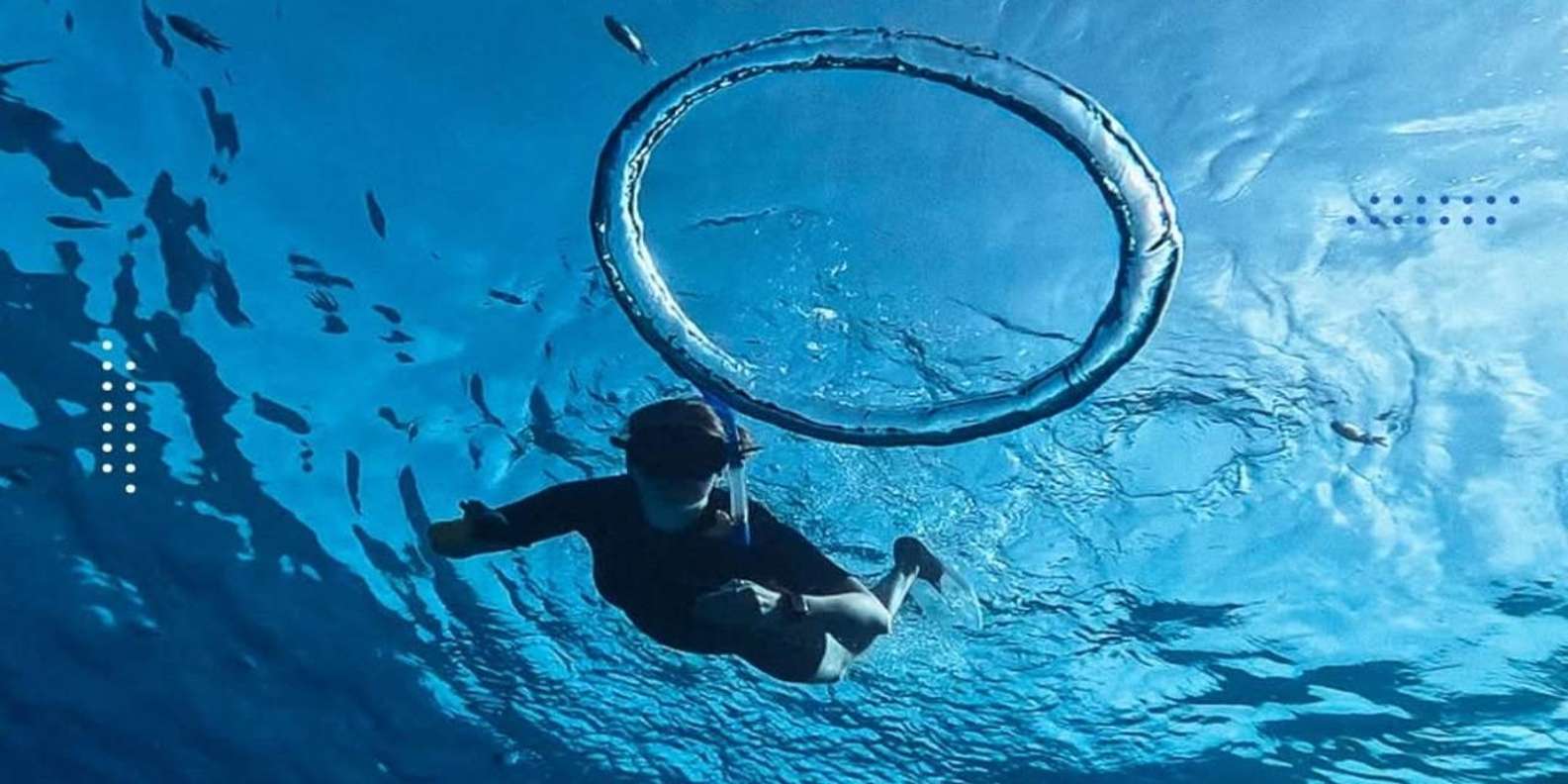
Divers can remain within recreational limits by keeping the wall on the right from Bells, leveling at a planned max depth, then crossing the saddle back into the pool. The Arch is not a recreational dive. Freedivers train on a fixed line with one-up–one-down protocols. Expect a simple shore setup, tea kiosks, and a direct walk to entries.
Who This Is For
Confident, current Advanced Open Water divers comfortable to 25–30 meters with solid trim and gas planning. Deep or nitrox specialties add margin. Recreational divers should not attempt the Arch. Freedivers should arrive with recent safety training and a buddy team. Snorkelers can enjoy the rim with a guide when seas are calm and entry points are briefed.

Booking & Logistics
The Blue Hole sits about 8 kilometers north of Dahab; most centers transfer you from town, provide briefings, and stage oxygen, first-aid, and radios. From Sharm, plan roughly 90 minutes by road. Consider a guided combo like the Blue Hole, Canyon, and Dahab day tour, which staggers entries to avoid crowding and includes safety-led snorkel options.
Sustainable Practices
Reef-safe sunscreen, tight equipment, and horizontal trim protect fragile growth near the saddle. Never touch or stand on coral; keep fins high on entries and exits. Use established paths, avoid plastic, and follow mooring and no-anchor rules. Wildlife-first photography means no chasing, no flashes at close range, and minimal sediment kicks near the reef crest.
FAQs
The Blue Hole’s magnetism is real—but so is the need for discipline. These answers reflect best practice from local pros and global training agencies: plan conservative depths, watch surface conditions, and treat this site as a privilege you earn each dive. When in doubt, step back to a safer plan or simply snorkel.
What certification level do I need?
Advanced Open Water with recent dives and comfort to 25–30 meters is a sensible baseline. Deep, Nitrox, or Peak Performance Buoyancy specialties add meaningful safety margins. The Arch remains a technical (often trimix) objective, not a recreational one. Freedivers should have up-to-date safety training and team protocols before attempting depth lines.
Is the Bells-to-Blue-Hole route suitable for newer divers?
It’s an advanced route due to the chimney entry, blue-water exposure, and strict depth control. Newer divers can build skills at Lighthouse or Eel Garden first, or snorkel the Blue Hole rim with a guide on calm days. Choose the inner-pool entry if conditions or confidence aren’t ideal, and keep your plan well inside limits.
What gear and checks are non-negotiable here?
A dive computer, DSMB with spool, audible signaling device, cutting tool, and a torch for the chimney are smart standards; Nitrox adds cushion for multi-dive days. Confirm oxygen, first-aid, and an emergency action plan on site. Freedivers need a reliable line, lanyard, counterweight system, and strict one-up–one-down supervision.
Respect turns risk into wonder at the Blue Hole. If you’re based in Sharm El Sheikh, plan a safety-led day that earns the drop without rushing. For a guided, staggered schedule, consider the Blue Hole and Dahab Canyon experience—then leave only ripples, not a fingerprint on the reef.


