
Red Sea Wildlife, Right: Trade Close‑Ups for Care
Quick Summary: See dolphins, turtles, and dugongs without stress or chase. Pick small, locally run boats, briefed groups, and reef‑safe habits so your money sustains coral gardens and coastal livelihoods—and the reef is better for your visit.
Dawn kisses the Red Sea slate‑blue, and the marina stirs: fishermen sipping tea, skippers loading fruit, guides checking briefings. You slip into clear, 26°C water above a garden of hard corals—no chase, no crowd—just a slow drift where a turtle grazes and a pod of spinner dolphins keeps its comfortable distance.
What Makes This Experience Unique
Sustainable wildlife trips on Egypt’s Red Sea put the reef first. Instead of chasing megafauna, you’ll time quiet entries over shallow coral (1–8 m), idle at distance, and let encounters happen naturally. Fees flow to local crews, mooring maintenance, and community projects—so coral gardens thrive while households earn, and your presence becomes part of the solution.
Where to Do It
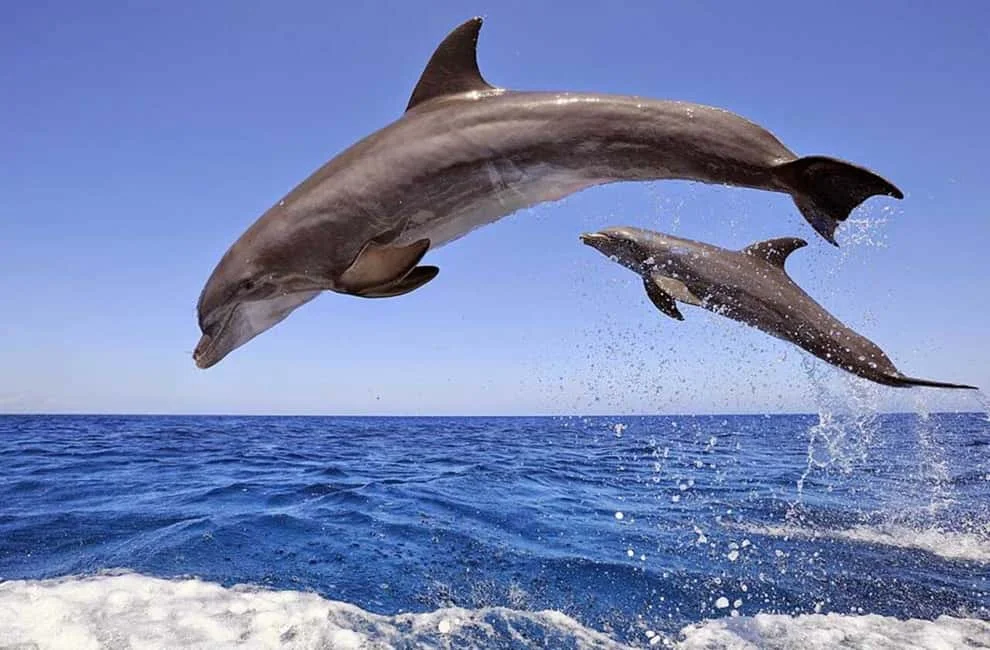
Base in Hurghada for easy boat hops to calm lagoon reefs and the Giftun shelf, ideal for first masks and family snorkels. South in Marsa Alam, seagrass meadows host grazing turtles and the occasional dugong; join an Abu Dabbab snorkeling day trip. Offshore, Sataya and Samadai (both “Dolphin House”) reward patient, code‑led dolphin viewing.
Best Time / Conditions
Expect 20–30 m visibility year‑round, with seas typically calmer in the mornings and May–October bringing the gentlest surface conditions. Sea temperatures range roughly 22–29°C across the seasons; light neoprene helps in winter. Northerly winds can kick up afternoon chop, especially in the Gulf of Suez; choose early departures for the most relaxed entries.

What to Expect
Small boats brief carefully, then stage two or three short, quiet snorkels over coral gardens and seagrass (often 2–6 m depth). Boats use fixed moorings; entries are drift‑like and unhurried. Wildlife dictates the show: turtles grazing, rays cruising, and—if you’re lucky—spinner dolphins passing by. Rides to sheltered reefs take 30–90 minutes depending on your base and sea state.
Who This Is For
Choose this if you value nature’s pace over staged “close‑ups.” It suits families with curious kids, first‑time snorkelers who want shallow color and confidence, photographers who favor behavior over proximity, and divers looking for easy off‑gas days. If you’re happy leaving animals with space—and celebrating the sighting you didn’t force—you’ll love it here.
Booking & Logistics
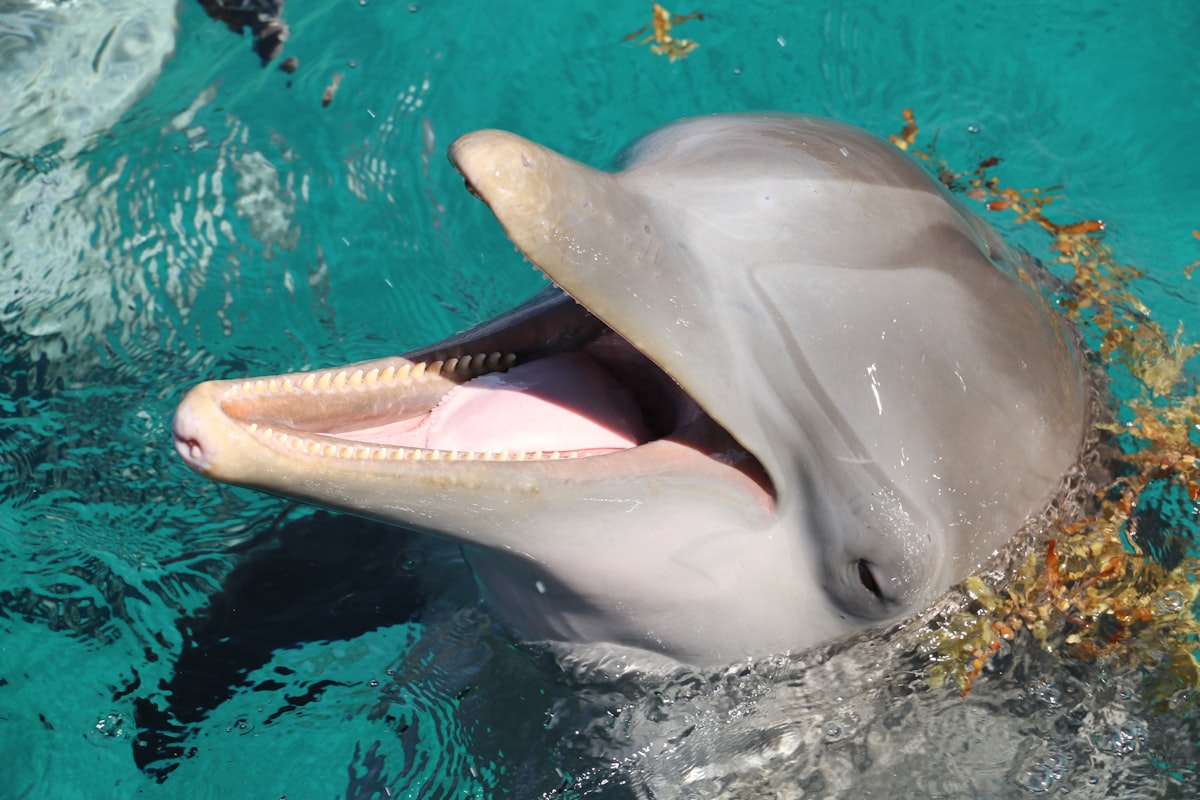
Prioritize locally owned operators who cap groups, use moorings, and refuse to chase. Look for early departures, max 12–18 guests, and trained guides in the water. From Hurghada, a reputable option is the Dolphin House VIP day—briefed encounters, two snorkels, and lunch. Transfers are straightforward; for context, Hurghada to Safaga is about 60 km (roughly 60–70 minutes by road).
Sustainable Practices
Keep a minimum distance (5–10 m) from dolphins and turtles; never dive down to block paths. Use moorings, not anchors; wear long sleeves and reef‑safe sunscreen to reduce chemical load. Pack a mesh bag for micro‑litter, and avoid feeding wildlife. For deeper context on fragile habitats, see our Egypt coral reefs visitor guide—then bring those habits aboard.
FAQs
The Red Sea is generous, but sightings are natural, not scheduled. Small‑group boats, calm mornings, and guides who read behavior increase your chances while keeping stress low. Remember: the goal is an unhurried hour over healthy coral, not a forced minute beside a frightened dolphin—the reef’s wellbeing outlasts any selfie.
Will I definitely see dolphins or a dugong?
No wildlife is guaranteed. Spinner dolphin encounters are common at Sataya and Samadai, yet guides will avoid resting pods. Dugongs are rare, most often reported in Marsa Alam’s seagrass bays. Your best bet is patience, early starts, and multiple short, quiet entries over suitable habitat with vigilant skippers monitoring conditions.
Is swimming with dolphins allowed in Egypt?
Yes, with strict etiquette. Ethical operators idle at distance, limit time in the water, and avoid intercepting resting pods. Guests slide in calmly, stay high in the water column, and never pursue or dive toward animals. In managed sites, rangers and guides enforce codes—listen closely, or you’ll be asked to reboard.
Is this suitable for kids and first‑timers?
Absolutely—choose shallow sites (1–4 m) with sandy entries or ladder access, fit life vests, and start with a short, guided snorkel. Currents can run 0.5–1 knot on edges and channels, so stay inside lagoons and follow the guide’s line. Seas are usually calmest early; if wind rises, operators shift to sheltered spots.
Leave the Red Sea better than you found it: fund local crews, follow the code, and let wildlife lead. For step‑by‑step advice on respectful dolphin encounters and choosing the right boat, see our guide to ethical dolphin watching in Hurghada.


