
Dawn With Dolphins: Ethical Red Sea Encounters From Hurghada, Marsa Alam and Sharm
Quick Summary: Go early, pick small-group boats, and treat dolphins as wild neighbors. Marsa Alam’s offshore reefs offer the strongest odds, Hurghada is the classic family day, and Sharm adds dramatic reef backdrops. Expect two snorkel stops, warm water, and strict no-chase guidelines.
Morning comes soft and silver on the Red Sea. You skim past sleeping marinas, engines low, as the surface flattens into a pane of light. In the distance: a scatter of dorsal fins, then aerial spins that break the hush. From Hurghada to Marsa Alam and Sharm El Sheikh, the most intimate dolphin encounters happen when you meet them on their terms—unhurried, ethical, and folded into a day of reef snorkeling.
What Makes This Experience Unique
These tours are not shows; they’re respectful windows into wild behavior. Boats idle at the edge of a pod’s path, guides brief small groups, and entries are calm and parallel—never a chase. Between dolphin passes, you drift over coral gardens glowing at 5–12 meters, with 20–30 meters of visibility and that unmistakable Red Sea neon.
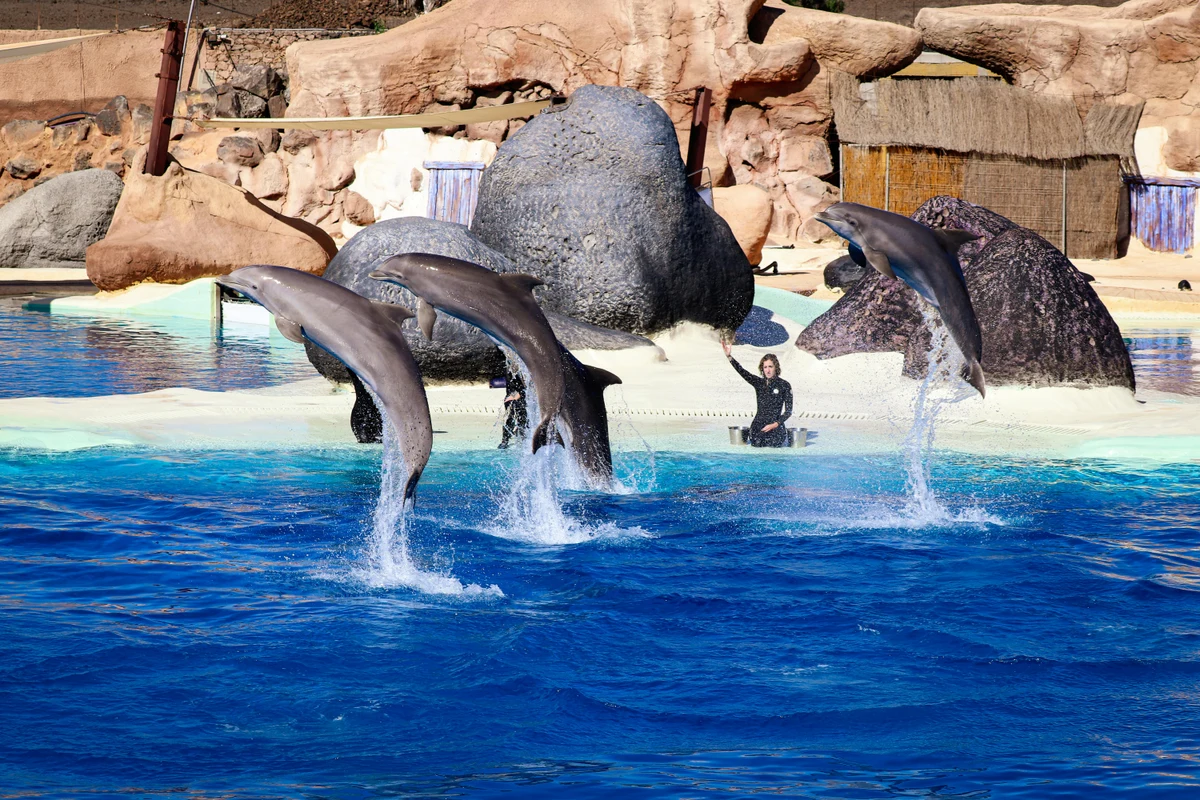
Where to Do It
Hurghada’s classic “Dolphin House” reefs suit relaxed family days with gentle lagoons and soft drift snorkels. Marsa Alam is Egypt’s hotspot: Samadai Reef—also known as Dolphin House—offers managed, ethical encounters, while remote Sataya Reef brings blue-water serenity. Sharm adds drama: Tiran and Ras Mohammed channels sometimes see cruising pods along iconic walls.
Best Time / Conditions
Early departures stack the odds: calmer wind, fewer boats, and dolphins at their most curious. Spring and autumn often balance mild air with steady seas; summer brings bathtub-warm water, while winter trades warmth for razor clarity. Expect water around 22–24°C in the coolest months and up to 27–29°C in peak summer, with wind occasionally reshuffling plans.

What to Expect
From Hurghada, it’s typically a 60–90 minute cruise to sheltered reefs, followed by two to three guided snorkel sessions and lunch onboard. Around Marsa Alam, Sataya is often a 1.5–2 hour drive to Hamata harbor and a further 60–90 minutes by boat. Encounters are never guaranteed, but offshore reefs here carry higher probabilities without crowding.
Who This Is For
Confident snorkelers and mindful wildlife lovers will thrive—especially travelers who value observation over interaction. Families comfortable in open water can join with vests and a guide’s hand; photographers and freedivers will prize the light and space. If you prefer shallow, boat-free days, combine this with house-reef snorkeling on a different morning.
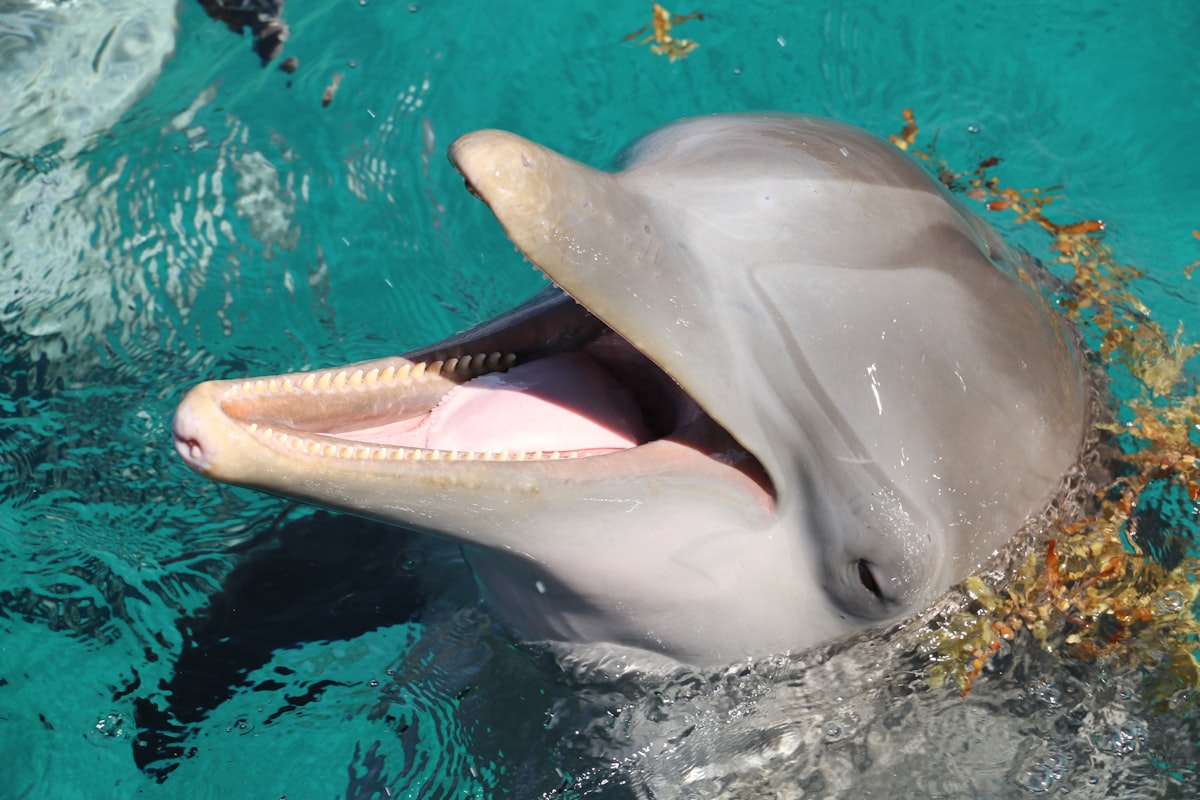
Booking & Logistics
Choose small-group, early-start boats with clear codes of conduct and strong reef briefings. In Marsa Alam, look for day boats to Sataya or Samadai with surface-only viewing in resting zones; in Hurghada, seek VIP-speedboat options that minimize time and crowds. For best welfare practices and operator tips, see this guide to ethical dolphin watching in Hurghada.
Sustainable Practices
Swim parallel and let dolphins choose the distance; never dive toward, touch, or pursue. Engines off near pods; rotate groups; limit time in resting lagoons; and keep flashes down. Wear long-sleeve rashguards instead of chemical sunscreens or use reef-safe formulas. Support operators who brief on behavior, enforce turn-taking, and refuse baiting or encirclement.
FAQs
Below are the top questions travelers ask when planning dolphin-watching tours in the Red Sea. Answers emphasize real-world conditions, not marketing promises, so you can set expectations, choose an ethical operator, and prepare for a comfortable day on the water—whether you launch from Hurghada, Marsa Alam, or Sharm El Sheikh.
How likely am I to see dolphins?
Nature never guarantees sightings, but route and conditions matter. Marsa Alam’s offshore reefs (Sataya and Samadai) see frequent pods with good etiquette and space. Hurghada’s Dolphin House reefs deliver regular encounters that vary by wind and traffic. Early departures and small-group boats reduce pressure and improve your chances without stressing the animals.
Is swimming with dolphins allowed—and is it ethical?
In open sea, yes—if you follow strict no-chase, no-touch, parallel-swim rules. Ethical boats avoid surrounding pods or dropping swimmers in their path. Resting zones (e.g., inside Samadai’s lagoon) may be surface-only or timed. Avoid captive or fed programs; look for operators who brief thoroughly, rotate entries, and leave if behavior turns evasive.
What should I pack for comfort and safety?
Bring a snug mask, snorkel, and fins; a 3 mm shorty in winter or a rashguard in summer; and a light windproof layer for the ride back. Add reef-safe sunscreen, a drybag, seasickness tablets if you’re prone, and a wide-brim hat. Photographers should pack red filters for shallows and spare batteries in a waterproof pouch.
Ready to slip into clear water and let curiosity meet respect? For Marsa Alam’s signatures, consider Samadai (Dolphin House) or the expansive blue of Sataya Reef. Planning a broader island-to-dolphin day? Map an easy lagoon-to-offshore combo with this Utopia–Sataya island-hopping guide. Start or finish in city comfort with the marine hubs of Hurghada and Sharm El Sheikh.


