
Red Sea Submarine Tours: Adventure & Tourism Insights
Submarine tours in the Red Sea let you watch reefs, schooling fish, and coral gardens without needing to swim, snorkel, or dive. In a region famous for shore dives and liveaboards, these tours fill a different role: they make marine life accessible to families with small children, non-swimmers, and travelers who want a dry, air-conditioned way to see what’s below the surface. This article explains what makes Red Sea submarine-style experiences unique, where to take them, the best conditions by season, what to expect onboard, and how to plan responsibly.
What Makes This Experience Unique
The big advantage is accessibility. A guided underwater viewing session allows guests to observe reef structure, coral growth forms, and common Red Sea species—often within the top 5–15 meters where sunlight is strongest—without managing masks, fins, or buoyancy. For many visitors, it’s the first time they can comfortably spend 30–60 minutes focused entirely on marine life.
Submarine and semi-submarine tours also add an educational layer that some short snorkel trips skip. Good operators use a narrator or guide to point out the differences between hard corals and soft corals, explain why shallow reefs thrive, and identify species you’re likely to see such as sergeant majors, butterflyfish, parrotfish, and sometimes larger visitors like barracuda cruising the edge of the reef.
Another difference is the comfort factor. Many boats offer shaded seating, stable platforms, and controlled viewing windows, which reduces motion for travelers who feel uneasy on small speedboats. If you’re traveling during hotter months, being out of the sun for part of the trip can make a noticeable difference in how you feel afterward.

Where to Do It
Hurghada is one of the most common starting points because the city has a long-established marine tourism scene and easy marina access. Tours typically visit nearshore reef areas where visibility is often good and the ride time stays manageable. For travelers staying in central Hurghada or nearby resorts, logistics are usually straightforward with hotel pickup options depending on the operator.
El Gouna appeals to travelers who want a calmer, resort-based setting. The lagoons and marinas make departures smooth, and the routes often focus on reefs that are suitable for sightseeing with a mix of coral heads, sandy patches, and fish activity around the reef edges. If you’re combining a submarine tour with dining or a lagoon cruise, El Gouna can be a convenient base.
Makadi Bay and Sahl Hasheesh are good choices for travelers staying south of Hurghada who want to minimize transfers. The reef systems here can be lively, with coral gardens and fish life that does well in shallow sunlit water. These areas are also popular for beginners’ snorkeling, which is a clue that underwater viewing tours can deliver good scenery without demanding conditions.
Soma Bay and Safaga sit further south with a reputation for strong reef health and clearer offshore water on many days. While not every operator runs the same schedule from these areas, they’re worth considering if you’re staying in a resort zone and want a marine experience that doesn’t require being in the water.
On the Sinai side, Sharm El Sheikh and Dahab are better known for snorkeling and diving, but the idea is the same: stable conditions, strong sunlight, and reefs close to shore. If your trip is based in Sinai, you may find more glass-bottom and boat-based reef viewing experiences than true submarines, yet the goal—dry, guided reef viewing—is similar.
Marsa Alam is famous for wild-feeling reefs and encounters like turtles and dugongs in certain areas, but tours there are often oriented around snorkeling and diving. If you’re in Marsa Alam and prefer not to swim, ask specifically for boat-based underwater viewing options that keep you dry while still getting close to reef scenery.
Best Time / Conditions
Red Sea visibility is often at its best when winds are lighter and surface chop is minimal. In general, spring and autumn offer a comfortable balance: warm days, pleasant sea conditions on many mornings, and water temperatures that are typically welcoming even if you decide to add a short swim.
Summer brings the warmest water—often around the mid-to-high 20s°C—and long, bright days that help illuminate shallow reefs. The heat on deck can be intense at midday, so earlier departures are usually more comfortable. If you’re prone to sun fatigue, prioritize tours with shaded seating and bring more water than you think you’ll need.
Winter can still be a great time for reef viewing, but you’ll notice cooler air temperatures and occasional wind that can add surface movement. Water temperatures commonly drop into the low 20s°C range, which matters less if you stay inside the viewing cabin but can affect overall comfort before and after the trip. When it’s breezy, morning trips often have calmer water than afternoons.
For the best viewing, choose days with high sun and low wind. Sunlight improves color on reefs, especially for shallow coral gardens where reds and oranges show more clearly through the windows.

What to Expect
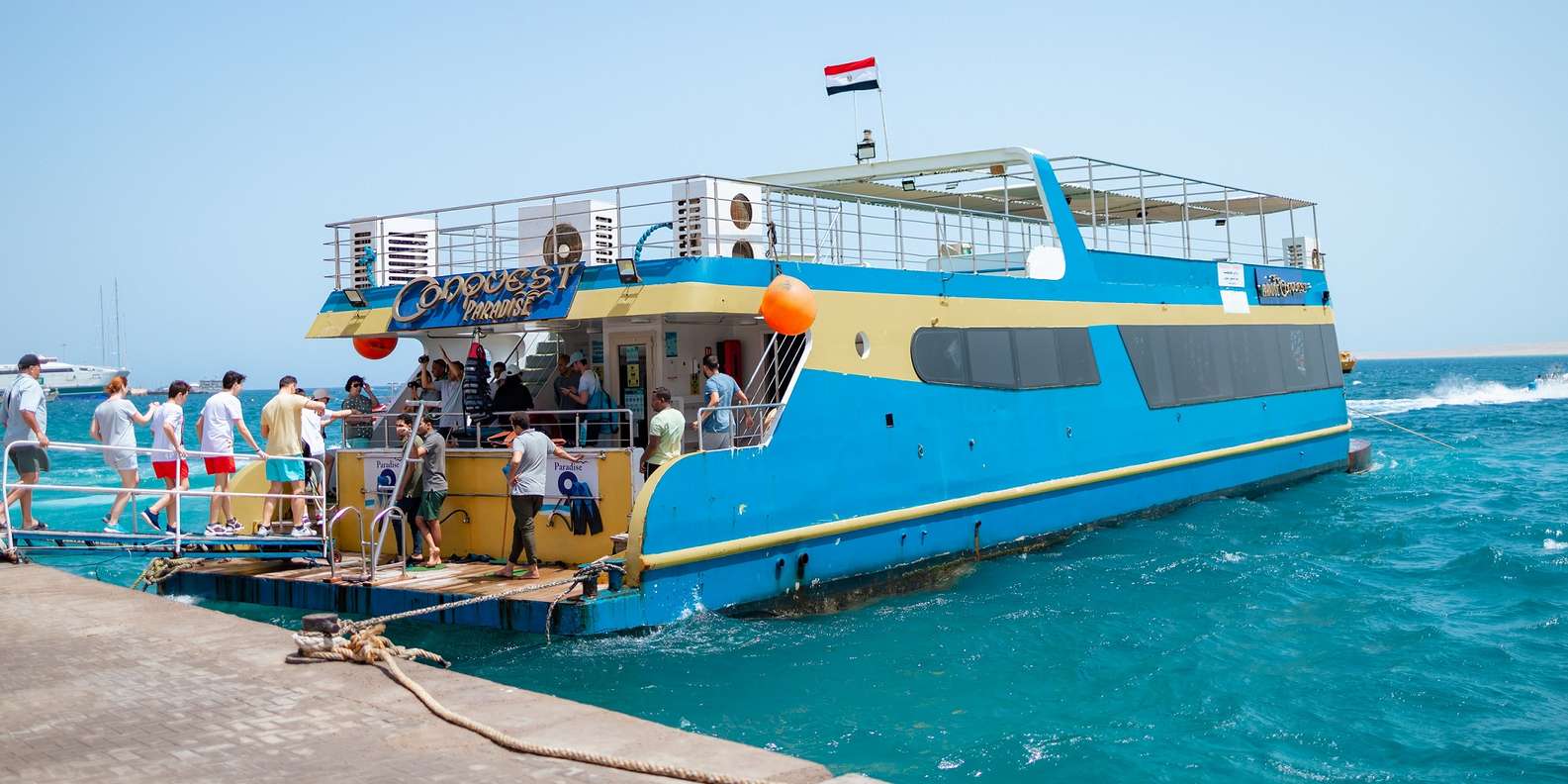
Most Red Sea submarine-style tours start with a marina check-in, a short safety briefing, and a sail-out to the reef area. The transit time varies by departure point, but the goal is usually to reach shallow reef zones where coral formations sit within the top 5–15 meters—close enough for fish activity to be easy to follow from the viewing windows.
Once positioned, the boat will either lower into its viewing mode (for submarine-style craft) or settle into a stable viewing location (for semi-submarine and glass-bottom formats). You’ll typically have a set viewing period where the guide points out features: branching corals, boulder corals, sandy channels, and cleaning stations where smaller fish pick parasites off larger ones.
Wildlife varies by day, but common sightings include schools of fusiliers, wrasse, anthias above coral heads, and larger solitary fish like napoleon wrasse in some regions. On reef edges, you might spot rays resting on sand or predatory fish moving through blue water. The guide’s commentary helps you notice the smaller details—juvenile fish, coral textures, and how reef fish use shelter.
Depending on the operator and route, there may be a short stop for photos on deck and sometimes an optional snorkel stop for confident swimmers. If you’re not snorkeling, you can usually remain onboard and still enjoy the scenery from the deck during the stop.
Who This Is For
This experience suits non-swimmers, families with young children, and travelers who want a marine activity with minimal physical effort. It’s also a smart choice for visitors who are curious about the underwater world but aren’t ready to commit to scuba training or longer snorkel sessions.
It can work well for multi-generational groups where not everyone has the same comfort level in the sea. While some guests snorkel, others can still participate meaningfully by viewing reefs from inside the vessel and listening to the guide.
Photographers should set expectations: shooting through windows can be tricky due to reflections. Still, with a phone pressed close to the glass and the brightness adjusted, you can capture recognizable reef scenes and fish silhouettes—especially when the water is calm and the sun is high.
Booking & Logistics
Plan your tour based on where you’re staying: Hurghada, El Gouna, Makadi Bay, Sahl Hasheesh, Soma Bay, and Safaga often have different departure points and transfer times. Morning departures are commonly the most comfortable and typically offer steadier conditions before afternoon winds build.
What to bring: a hat, reef-safe sunscreen, sunglasses, and a light layer for wind on the ride out (especially in winter). Even if you don’t plan to swim, pack a towel and a dry bag for electronics—spray can reach the deck on windy days. If you’re sensitive to motion, take standard seasickness precautions before boarding.
When comparing tour options, look for clarity on time at the reef, whether a guide provides interpretation, and if the operator follows good marine practices (no anchoring on coral, controlled group behavior if snorkeling is offered). If you’re booking as a family, confirm accessibility details such as steps, cabin space, and whether strollers can be stored securely.
Sustainable Practices
Reefs near busy resort hubs are under pressure, so responsible operations matter. The best practice is using moorings rather than dropping anchors, which can break coral heads and scar reef flats. If your tour includes a swim stop, guides should emphasize not standing on coral and keeping fins away from the reef surface.
Choose operators that support reef etiquette: no feeding fish, no collecting shells or coral, and no chasing wildlife for photos. Fish behavior changes quickly when boats encourage feeding, and the impacts are most visible in heavily visited nearshore areas.
As a guest, you can help by using reef-safe sunscreen, minimizing single-use plastics onboard, and following instructions around wildlife spacing. Small choices—like refilling a bottle and keeping hands off the glass and railings when moving—reduce wear and tear on both boat and reef site.
FAQs
Do I need to know how to swim to join a Red Sea submarine tour?
No. Submarine and semi-submarine reef-viewing tours are designed for non-swimmers because you observe marine life from inside the vessel. If an optional snorkel stop is offered, it’s usually separate and you can stay onboard if you prefer.
What marine life can I realistically expect to see?
Most trips focus on shallow reefs where you commonly see reef fish such as butterflyfish, parrotfish, wrasse, and schools of small fusiliers. Sightings of larger animals like rays or barracuda are possible but not guaranteed because wildlife movement changes daily with tides, temperature, and boat activity.
Is winter a bad time for submarine tours in the Red Sea?
Winter can still be a good time because underwater visibility often remains strong, but air temperatures are cooler and wind can make the surface choppier. If you’re visiting between December and February, choose a morning departure and bring a light jacket for the ride.
How long does a typical tour take?
It depends on the departure point and reef location, but most experiences include a marina check-in, a boat ride out and back, and a dedicated viewing period at the reef. The total duration is usually a few hours rather than a full-day trip.
Are these tours safe for kids and older travelers?
They’re generally suitable because you remain seated indoors for the main viewing portion and the activity doesn’t require swimming. Safety still depends on the operator’s briefing, sea conditions, and how easy it is to move on the boat, so follow crew instructions and choose calmer days if anyone in your group is sensitive to motion.
Submarine tours represent an exciting evolution in Red Sea tourism, making the wonders of the underwater world accessible to all. By combining comfort, education, and sustainability, these experiences offer unparalleled insight into the Red Sea’s natural heritage. To explore available tours, browse our full range of marine adventures or discover more insights on our travel blog. For personalized recommendations or to plan your next journey, contact our team—and set the course for your next Red Sea experience.


