
Hurghada Water Sports: Dive, Snorkel, Sail
Quick Summary: Crystal-clear reefs, easy island hops, and advanced wrecks. Start with shallow snorkels, graduate to drift or wreck dives, add wind sports, and finish with a sunset sail—low effort, high reward, with operators prioritizing reef protection and smooth logistics for every level.
Everything good about the Red Sea feels close in Hurghada: clear, forgiving shallows for first mask-on moments; quick rides to island sandbars; and a menu of dives from gentle drifts to history-laced wrecks. It’s a place where families, photographers, and adrenaline chasers share the same boats—each charting their own perfect pace.
What Makes This Experience Unique
Hurghada’s superpower is effortlessness: consistent visibility around 20–30 meters, short boat transfers, sandy entries for beginners, and dependable wind corridors for kites and sails. You can mix thrills and tranquility in one day—snorkel a lagoon at noon, dive a wreck by afternoon, and toast a pastel sunset from a quiet deck.

Where to Do It
Island-hopping centers on Giftun National Park, where Orange Bay’s sandbars feel made for lounging between reef stops; consider an Orange Bay Giftun Island boat tour for a seamless day. Close to town, Magawish and Abu Ramada teem with life. Advanced divers target El Mina (~30 m) and, on longer runs, Rosalie Moller’s brooding hull. For wind sports, nearby El Gouna offers wide, shallow lagoons.
Best Time / Conditions
Expect warm water year-round—roughly 22–24°C in winter and 27–29°C in late summer—plus minimal rain and reliable sunshine. Mornings often bring calmer seas ideal for snorkeling; a steady northerly picks up by midday, great for kites. Summer’s heat favors long swims; winter’s clarity can be exquisite.
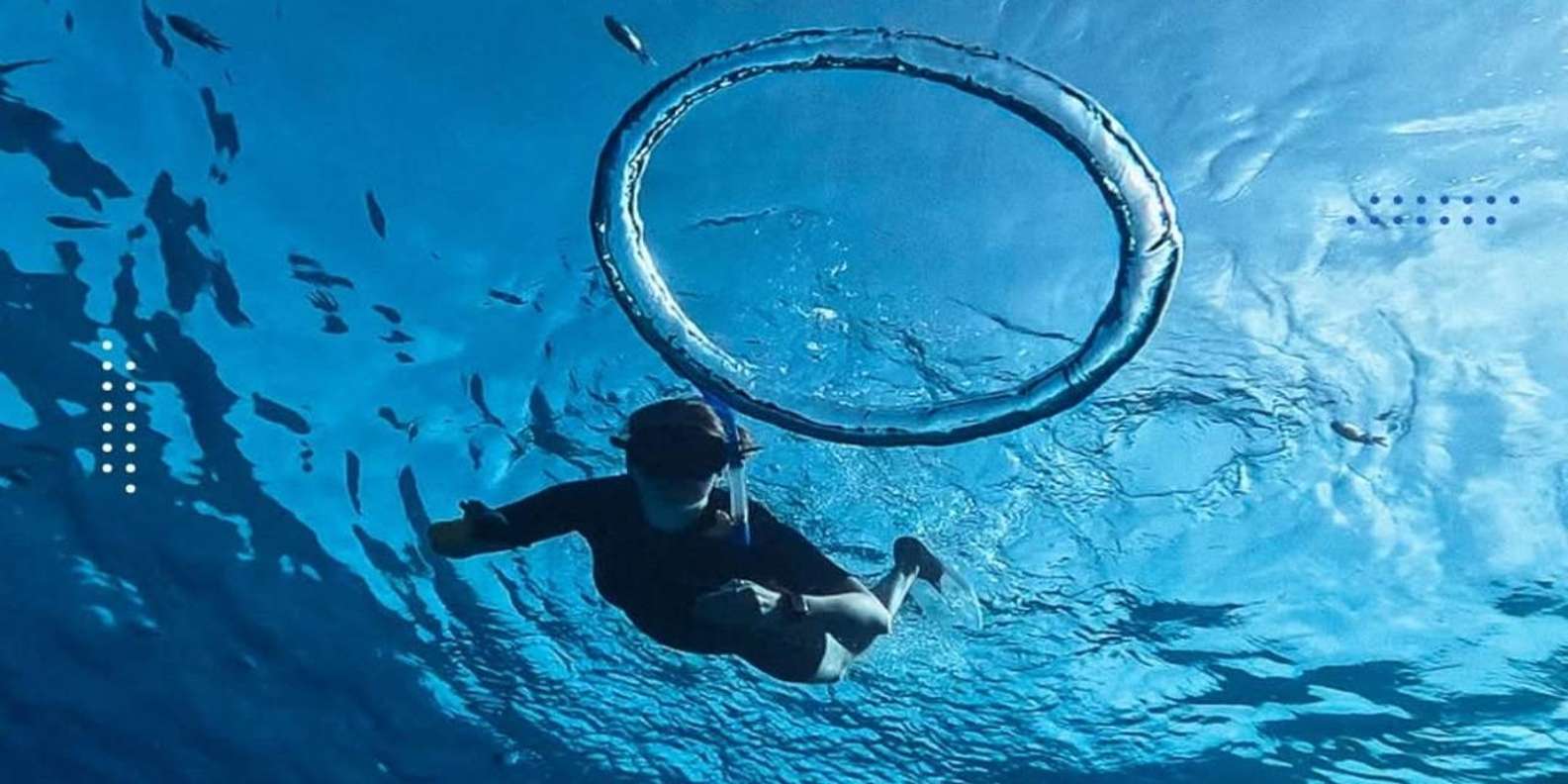
What to Expect
Most day boats combine two reef stops and relaxed beach time, with transfers, snorkel gear, and lunch included. Rides to Giftun average 30–60 minutes, depending on sea state. Divers typically log one to two guided dives, with gentle gardens for novices and 18–30 m profiles for intermediates; see our practical Hurghada island-hopping guide for smooth planning.
Who This Is For
First-timers, families, and casual swimmers find instant gratification in sandy shallows with fish at fin-tip distance. Photographers love the light and color; intermediates graduate to drift and plateau dives. Technical-minded travelers can seek current, depth, or wreck challenges—while wind lovers carve lagoons or foil in steady, confidence-building breezes.

Booking & Logistics
Choose small-group boats for more water time, or charter a private vessel to set your own rhythm; a VIP private boat and snorkel tour is perfect for mixed-skill groups. Certified divers should bring logbook and cards; most operators provide 12L tanks and weights. Hotels cluster near marinas, keeping transfers short and dock-to-reef transitions pleasantly quick.
Sustainable Practices
Reef etiquette is simple: perfect your buoyancy, keep fins clear of coral, and resist touching or feeding marine life. Use mineral or reef-safe sunscreen and hydrate via refill stations where offered. Favor operators using mooring buoys and fish-ID briefings; small choices scale, preserving coral cover for your next visit.
FAQs
This stretch of the Red Sea is forgiving, but small choices define great days. Understanding swim support, seasonal gear, and which sites match your comfort level will trim uncertainty. Below, we answer the most common questions travelers ask while planning snorkeling, wreck dives, or wind-led sessions around Hurghada’s coast.
Do I need to be a strong swimmer to snorkel?
No. Many boats provide life vests, noodles, and a guided line so you can float comfortably while watching fish below. Choose stops with sandy entries and mild current, start near the boat ladder, and follow your guide’s route. If nervous, book a private guide to set an easy pace.
What wetsuit should I pack for the season?
In summer, most snorkelers go skins or 2–3 mm shorties; divers usually prefer a 3 mm full suit. In winter, a 5 mm full suit plus hood keeps longer dives comfortable, especially on windy days. A thin rashguard and neoprene socks add sun protection and ladder grip without bulk.
Which wrecks suit experienced divers near Hurghada?
El Mina sits around 30 meters and is often paired with nearby reefs. Rosalie Moller lies deeper, with sections spanning roughly 30–50 meters and currents that reward experience. Expect darker tones, dramatic structure, and prolific life; carry a torch, stick to your guide, and watch no-deco limits on the second descent.
Hurghada proves you don’t need long transfers or hard edges to feel the Red Sea at full color: start relaxed, layer in challenge, and let the wind or current set your rhythm. Planning a wind-focused day? Pin this primer on El Gouna kitesurfing spots to pair flat-water progression with reef time when the breeze dips.


