
Red Sea Quest: Insider Rituals, Secluded Reefs, and Ways to Give Back
Quick Summary: Red Sea Quest skips crowded boats for dawn rituals, small-boat reef hops, and community-led experiences. Expect 2–8 m snorkel flats, 20–30 m visibility, authentic food, and clear steps to support local livelihoods and coral conservation.
Dawn settles softly on the Red Sea. Fishermen uncoil lines, a kettle hisses, and the first prayer drifts across town. Red Sea Quest begins here—stepping into the rhythm of locals before slipping into glassy water. A small skiff nudges toward a quiet mooring, and the reef rises: fluorescent, breathing, unhurried.
What Makes This Experience Unique
This is an insider’s blueprint: share tea at sunrise, learn place names and sea etiquette, then explore handpicked reefs with community guides. You’ll bypass crowded jetties for moored sites, drift over 2–8 m coral gardens with 20–30 m visibility, and finish with a market lunch that returns your spend to the neighborhood.
Where to Do It
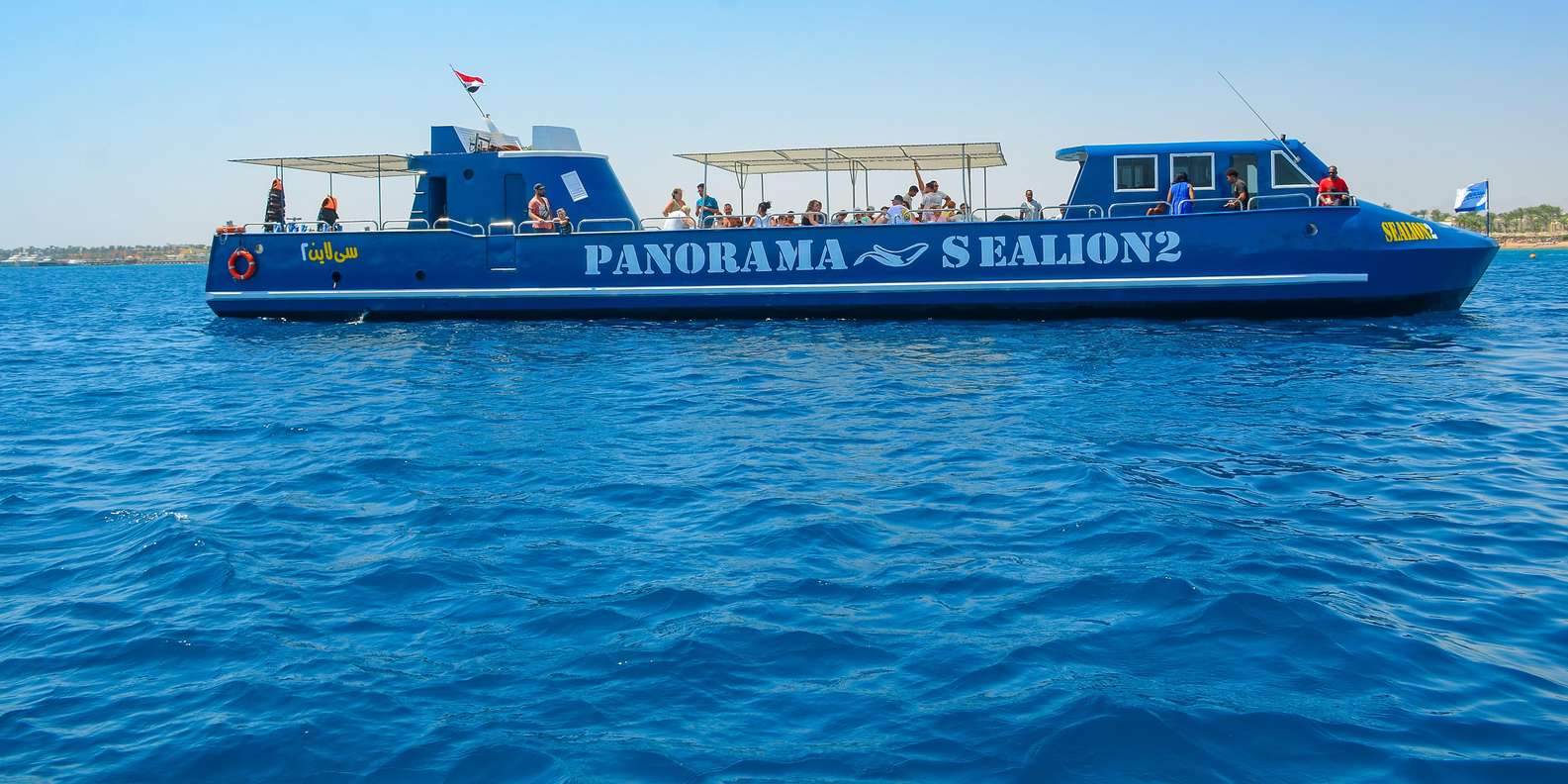
Hurghada & Makadi Bay (easy access to nearshore reefs): For a “before-the-crowds” reef day, Hurghada’s early departures reach Giftun Island’s moorings quickly, while Makadi Bay and Sahl Hasheesh offer sheltered entries and calmer morning conditions. These areas suit travelers who want short transfers, predictable logistics, and shallow coral gardens where you can snorkel comfortably above 2–6 m shelves.
El Gouna (lagoon lifestyle + quick hops offshore): El Gouna’s marina culture makes it simple to pair local food stops with half-day reef time. Expect a smoother, boutique feel—smaller groups, earlier starts, and a strong chance of finishing with a slow promenade through the town’s cafes and markets. It’s ideal if your “quest” includes more conversation and less transit.
Soma Bay & Safaga (often calmer water and wide reef plateaus): South of Hurghada, Soma Bay and Safaga are known for reliable boat operations and broad reef topography that works well for long, relaxed snorkeling loops. The coastline here lends itself to quieter scheduling—early water time, a second session after a short break, then lunch that’s more local canteen than resort buffet when you choose community-led operators.
Marsa Alam (wildlife-leaning days and longer reef time): Marsa Alam is the move when you want a more nature-forward day: bigger seagrass areas, fewer large-day boats, and a higher chance of seeing turtles grazing or rays cruising sandy patches. Plan for longer transfers between towns and sites, but also longer, less rushed water time once you arrive.
Sharm El Sheikh & Dahab (Sinai rituals + reef days with a local rhythm): In Sharm El Sheikh, a local-style day often means early water before the main activity wave, then a simple meal and a stroll through quieter neighborhoods rather than the loudest strips. Dahab leans even more “local”—shore-based routines, small guide teams, and a strong etiquette culture around entries, fins, and respecting other water users.
Best Time / Conditions
Early mornings bring the calmest seas and fewer boats. Shoulder seasons—spring and autumn—balance light winds with warm water (typically 24–29°C; winter can dip to ~22–24°C). Aim for first departures; 30–45 minutes gets you from Hurghada’s marina to Giftun’s clear sandbars before day-trip flotillas arrive.

What to Expect
Begin with a local briefing on currents, entry points, and wildlife etiquette. Slip into clear water for gentle reef circuits; expect butterflyfish clouds, blue-spotted rays, and—if lucky—turtles grazing on nearby seagrass. After two sessions, swap fins for sandals: a home-style meal, a spice stop, and a sunset stroll finish the arc.
Who This Is For
Curious travelers who prefer conversations over headcounts; snorkelers, new divers, photographers chasing soft morning light, and families who value easy entries and attentive safety. It’s less ideal for party-boat seekers or anyone expecting scripted shows. If “quiet, quality, and community” are your north stars, you’ll feel at home.

Booking & Logistics
Choose the right format (half-day vs. full day): For the “dawn ritual + reef” feel, a half-day is often enough—early start, one or two water sessions, and time to return for a market lunch on land. Full-day trips work better if you’re based farther from the marina (for example, from Soma Bay or Safaga) or if the plan includes a second, more secluded mooring with a longer boat ride.
Group size matters: Ask for small boats or small groups, especially if your goal is quiet water and better wildlife behavior. Fewer people in the water usually means less fin-kick sediment, less accidental coral contact, and better chances of seeing natural behavior—turtles surfacing calmly, rays moving across sand, and reef fish staying on their feeding routes.
What’s typically included (and what to bring): Community-led reef days commonly include masks/fins, life jackets or snorkel vests, and a guide who manages spacing and entry/exit order. Bring reef-safe sun protection (or better: a long-sleeve rashguard), water, a dry bag, and a small amount of cash for tips and market purchases. If you’re sensitive to motion, pack seasickness tablets and eat lightly before the boat ride.
Timing and transfers: Early departures are the whole point—plan to be ready before sunrise, with pickup times that can feel “too early” until you’re floating over an empty reef. From Hurghada and El Gouna, marina access is straightforward; from Makadi Bay, Sahl Hasheesh, Soma Bay, and Safaga, transfers can add time, so confirm how early the vehicle leaves and whether the trip returns in time for afternoon plans.
Sustainable Practices
Use moorings, not anchors: The simplest reef-protection signal is whether the boat uses fixed mooring buoys rather than dropping anchor. Anchors can break coral heads and scrape reef flats, especially on shallow 2–6 m plateaus where snorkelers spend most of their time. If you see a crew lining up to a buoy, you’re already in better hands.
Keep fins and hands off the reef: Coral injuries often come from accidental fin kicks in shallow water, not intentional touching. Stay horizontal, keep a little extra distance over the reef top, and use slow frog-kicks when you’re near coral heads. If you need to pause, float on your back or hover in sandy areas—never stand on coral or lean on rock-like structures that are actually living colonies.
Respect wildlife spacing and feeding rules: Don’t chase turtles or rays, and never block a turtle’s path to the surface. Avoid feeding fish; it changes reef behavior and can increase aggression around boats. A good local guide will rotate the group’s position, call out “no-go” zones like fragile branching coral, and keep the pace slow enough that nobody feels pressure to rush.
Make your spend count on land: The give-back part isn’t only marine—it’s also where you eat and shop. Choose simple, locally run meal stops, buy supplies from neighborhood stores, and tip fairly for good guiding and safe boat handling. These small decisions reward crews and communities that invest in moorings, training, and reef etiquette instead of volume tourism.
FAQs
Below are the most common questions travelers ask when swapping the tourist track for community-led reef days. Each answer blends practical safety, local etiquette, and conservation-first advice so you can arrive prepared, move confidently in the water, and leave the sea and its people better than you found them.
Do I need to be a strong swimmer?
No. Many sites are lagoon-sheltered with shallow shelves in 2–4 m, and boats provide surface guides and flotation. Calm mornings are best for beginners; choose trips with in-water support and short set-to-reef swims. If in doubt, request a snorkel vest and start with an easy, supervised circuit.
How does this give back to local communities?
Your spend stays local: small boats, market lunches, and licensed community guides. You’ll tip fairly, hire locally owned operators, and buy essentials from neighborhood shops. This direct support rewards conservation-minded crews who protect moorings, lead respectful wildlife encounters, and keep reef etiquette front and center.
Which signature days should I book first?
Book your earliest-morning reef day first, ideally within your first two days, because wind and boat traffic are usually lowest at sunrise and you’ll still have flexibility to reschedule if conditions shift. Next, reserve a community-led food-and-market day in your base (Hurghada, El Gouna, Dahab, or Marsa Alam) so you meet local hosts early and get practical tips you’ll use all week. If you have time for only one “big” nature day, prioritize a quieter mooring-based reef hop over a crowded island stop—less time queuing, more time in the water.


