
Find Your Red Sea Rhythm: From Sharm’s Shine to Dahab’s Drift
Quick Summary: Choose your pace along Egypt’s coast: dive WWII legends, snorkel bright shallows, kite the wind, or drift into slow, salt-washed days. Sharm buzzes, Dahab relaxes, Marsa Alam unwinds, and Hurghada delivers family ease—mix and match to suit your tempo.
Egypt’s Red Sea is a coastline of changing tempos. In one trip you can graze family-friendly shallows in Hurghada, chase adrenaline in Sharm, and finish barefoot-casual in Dahab. History hums beneath the waves too—the Thistlegorm wreck, a WWII time capsule at 16–30 meters, still stirs the imagination; see our Sharm El Sheikh dive sites guide for that legend and more.
What Makes This Experience Unique
Few coasts pack such variety so tightly: high-energy marinas, serene Bedouin bays, protected parks, and world-class wrecks within day-boat range. Visibility often sits around 20–30 meters, currents can be swift on headlands, and reefs feel exuberant—soft corals, schooling anthias, and the occasional pelagic over blue drop-offs, all threaded with desert light.

Where to Do It
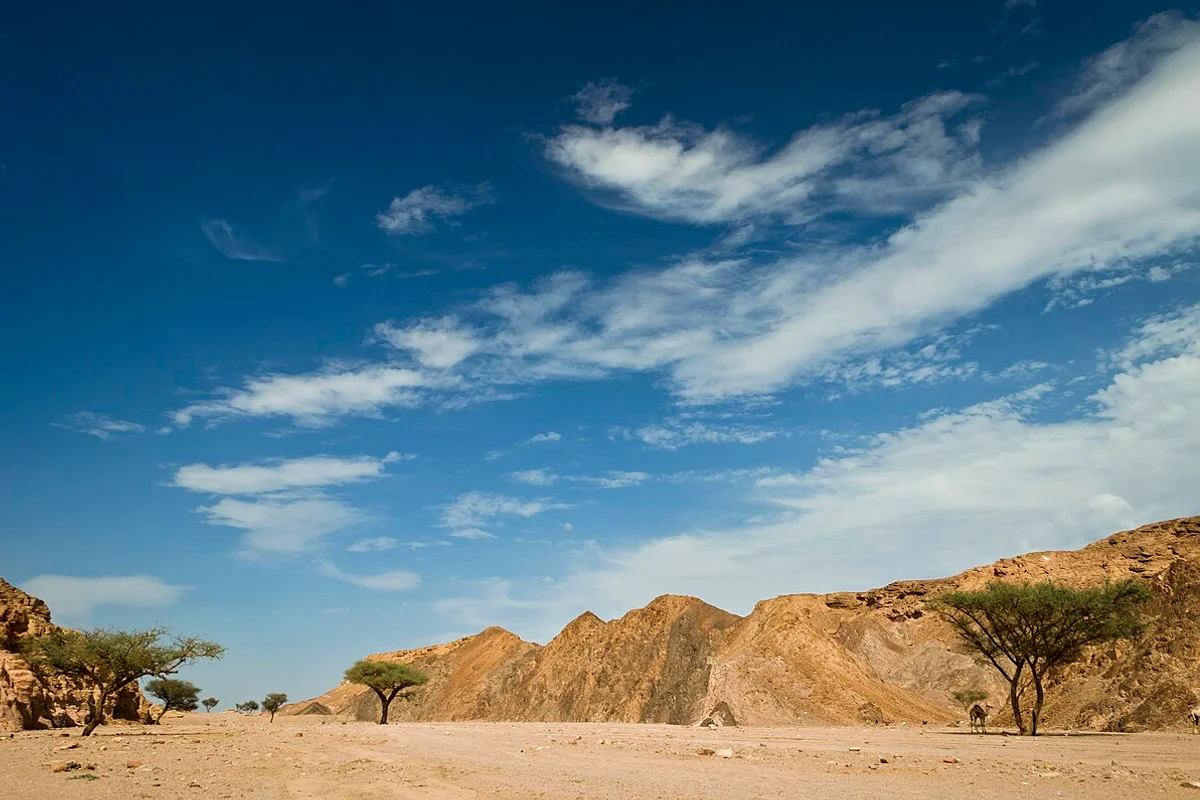
Base in Sharm for fast access to a Ras Mohammed & White Island boat trip and photogenic walls. Drift south to Marsa Alam for calm entries and turtles at Abu Dabbab. Keep Hurghada for easy family snorkeling and island sandbars; save Dahab for sandy-foot cafés, shore dives, and wind sports framed by Sinai’s raw mountains.
Best Time / Conditions
Spring and autumn bring sweet-spot conditions: warm water, mild air, and manageable winds. Expect sea temperatures around 22–24°C in winter and 27–29°C in late summer. Winter winds favor kites and keep chop lively; summer glass-outs reward snorkelers. Early departures beat breezes and crowds, especially at marquee sites.
What to Expect
Days often start before breakfast: kit checks, harbor roll-call, and a blast of diesel as the sun lifts over Sinai. Between dives or snorkels, the deck becomes an open-air lounge. Evenings settle into marina strolls, grilled seafood, and desert sunsets. Repeat the rhythm or downshift—your pace sets the itinerary.
Who This Is For
Pick your groove. Adrenaline seekers chase current-swept headlands and historic wrecks. First-timers and families favor shallow house reefs and supervised island lagoons. Creators and couples crave golden light and quiet bays. Solo travelers find community on day boats and in Dahab’s shore-dive cafés; wellness-minded visitors unwind in Marsa Alam’s unhurried coves.

Booking & Logistics
Fly into Hurghada, Sharm El Sheikh, or Marsa Alam and build a hub-and-spoke plan. Advanced divers time longer days to the Thistlegorm (often a 3–4 hour run each way in fair seas). Confirm certifications for deeper or overhead environments; non-divers can join snorkel-friendly boats and choose gentle-entry bays.
Sustainable Practices
Choose boats that use moorings and hold valid park permits, especially around protected zones. Pack reef-safe sunscreen, minimize fin kicks near coral, and keep hands off everything—living or historic. Respect wildlife distances, skip fish-feeding, and take only photos. In town, back refill stations and local operators with solid safety records.
FAQs
First-timers and repeat visitors share the same core questions: how hard are the headline sites, can non-divers still see great reef, and which base suits a mixed group? Here’s how to calibrate expectations so your trip matches your tempo—no wasted days, no overreaching, and plenty of time for unhurried wonder.
Is the Thistlegorm suitable for beginners?
The Thistlegorm is best for confident, properly briefed divers. Depth typically ranges 16–30 meters, currents can run, and interior spaces are overhead environments. Most operators require Advanced certification and recent dives; guided exterior tours are common, with penetration limited to trained divers using lights, lines, and strict buddy protocols.
Can non-divers still experience top-tier reef?
Absolutely. Shallow platform reefs, island lagoons, and lee-side bays offer calm entries and vivid coral gardens. Many day boats run mixed itineraries with guided snorkeling, surface support, and shaded decks. Early or late slots often give the flattest seas and best light, while visibility commonly sits around 20–30 meters.
How do Hurghada, Sharm, Dahab, and Marsa Alam differ?
Hurghada balances family-friendly reefs with lively marinas. Sharm is glossier, closer to marquee walls and fast day boats. Dahab trades polish for soul: shore dives, wind, and cafés. Marsa Alam slows everything down—turtle meadows, soft light, and long, quiet beaches. Combine two bases to sample different rhythms without rushing.
In the end, the Red Sea rewards travelers who listen to its cadence: push when the currents align, pause when the light turns honeyed. Start broad in Hurghada, surge in Sharm, drift in Dahab, or idle in turtle country—then let the coast decide what comes next.


