
Ras Mohammed Boat Tours: A Living Kaleidoscope at Sinai’s Tip
Quick Summary: Board a small, conservation‑focused boat from Sharm and drift along Ras Mohammed’s headliners—Shark Reef, Yolanda, and Jackfish Alley—where sheer walls, schools of jack, and coral gardens turn a simple day at sea into an underwater safari of color and motion.
At the knife‑edge meeting of the Gulf of Suez and the Gulf of Aqaba, Ras Mohammed National Park erupts in technicolor. You fin past clouds of orange anthias, soft corals clinging to vertical walls, and pelagic shadows that flash in and out like quicksilver. Here, a boat day becomes a safari—guided by current, buoyed by visibility, and grounded in care.
What Makes This Experience Unique
Few places compress so much drama into a single drift. Shark Reef starts at 5–10 meters, then drops into cobalt nowhere, with 20–30 meter visibility common. Cross the saddle to Yolanda and you’ll skim over porcelain from the 1980 cargo spill, where turtles browse and batfish hang like ornaments. It’s spectacle with surprising intimacy.
Where to Do It
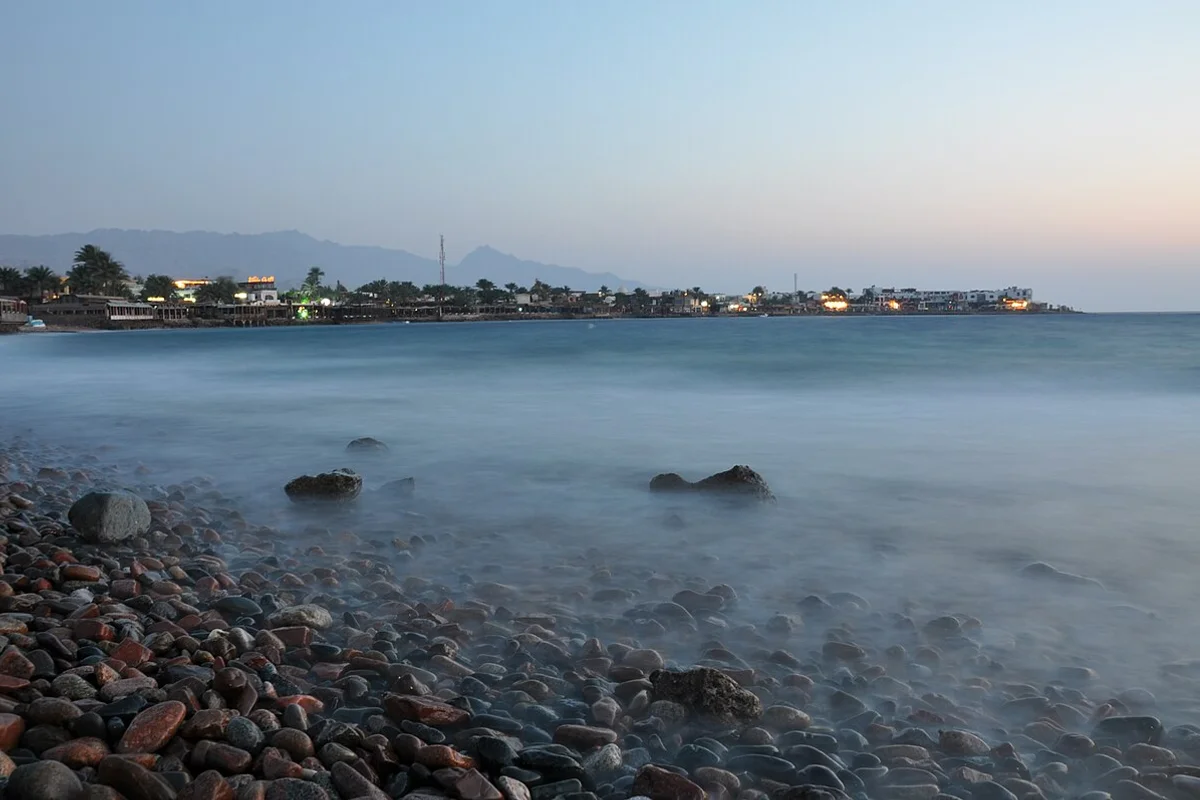
Most boats depart Sharm El Sheikh marinas—Naama Bay or Sharks Bay—reaching the park in roughly 45–60 minutes, seas permitting. Dive and snorkel routes typically rotate between Shark & Yolanda Reef, Jackfish Alley’s limestone swim‑throughs, and a calm coral garden finale. You’ll sample big‑blue edges and protected shallows in one, well‑paced circuit.
Best Time / Conditions
Year‑round is viable, with sea temperatures averaging about 23–24°C in winter and 27–29°C in summer. Morning departures find cleaner light and gentler chop. Expect mild to moderate drift along the walls; guides time entries for slack or favorable flow. Peak summer brings glassy seas; winter offers crystal clarity and fewer boats.

What to Expect
Small‑group boats prioritize relaxed entries, short briefings, and fixed moorings. Divers often start negative or controlled entries at Shark Reef, drifting to Yolanda’s plateau around 15–20 meters before ascending. Snorkelers trail a guide over the shallows, where fusiliers and butterflyfish stitch the reef. Many itineraries add White Island, a bright sandbar for surface breaks.
Who This Is For
Open Water divers comfortable in light current thrive here; advanced divers savor the blue‑water edges and photo opportunities. Snorkelers with steady fins and a love of fish action get abundant payoff near the surface. Photographers should carry a red filter or strobe; macro flourishes at Yolanda, while Shark Reef delivers classic wide‑angle drama.

Booking & Logistics
Choose operators that cap groups at 8–12 guests and brief neutral‑buoyancy skills. If you want the luminous sandbar stop, book a Ras Mohammed cruise to White Island. First‑timers can upskill with a check dive the day before. For planning essentials, see our detailed boat guide to Ras Mohammed.
Sustainable Practices
Pick boats that use park moorings, supply refillable water, and ban fish‑feeding. Wear mineral, reef‑safe sunscreen and a full‑sleeve rash guard. Perfect trim and frog kicks to avoid coral contact; photographers, mind your strobes and elbows. Take only photos, log sightings for science, and buy local to keep conservation benefits in‑region.
FAQs
Ras Mohammed’s fame can be intimidating, but small‑group boats and smart timing keep it accessible. Guides tailor entries to conditions, splitting groups by certification and comfort. Snorkelers follow a dedicated leader and support zodiac when available, while divers get crisp briefings on currents, exit points, and how to glide, not grab, for the best reef etiquette.
Do I need to be a certified diver, or can snorkelers join?
Both are welcome. Open Water divers handle the classic Shark‑to‑Yolanda drift; Advanced divers may explore deeper ledges if conditions allow. Snorkelers stay in guide‑led pods above the reef’s shallow skirts, with life vests on request. Calm‑sea mornings are ideal, and visibility commonly sits in the 20–30 meter range.
Are currents strong at Shark Reef and Jackfish Alley?
They’re usually mild to moderate. Guides plan entries to run with the flow, making drifts efficient and relaxed. Negative entries are occasional and briefed clearly. If current picks up, groups tuck behind the reef or ascend along mooring lines. Trust the plan, streamline your kit, and keep spacing for effortless, fish‑filled glides.
What should I bring for a conservation‑minded boat day?
Pack a snug mask, long‑sleeve rash guard, and mineral sunscreen; a 3 mm suit in summer or 5 mm in cooler months. Bring a reusable bottle, reef‑safe defog, and a compact SMB if you’re diving. Photographers benefit from a red filter or strobe to restore color on the wall and plateau.
Slip over the side and the Red Sea becomes a living kaleidoscope—reef safe in your choices, awe wide open in your eyes. Base yourself in Sharm for seamless access, and when you’re ready to linger farther up the coast, pair this with the laid‑back reefs of Dahab for a quietly dazzling contrast.


