
How to Turn Red Sea Reefs into a Stress‑Free Family Playground
Quick Summary: Choose shallow house reefs and moored boats to sheltered sites, go early, kit up with life vests and short fins, book kid‑ready operators, and use semi‑submarines for non‑swimmers so everyone—toddlers to teens—shares the same underwater wonder.
Picture your family drifting over an aquarium‑clear lagoon while a guide points out parrotfish and clownfish. In the Red Sea, sheltered house reefs and sandbar shallows mean everyone stays close—little ones with vests, teens with action cams, you with total peace of mind—so the same boat day becomes shared discovery, not split decisions.
What Makes This Experience Unique
The Red Sea is purpose‑built for family confidence: stable visibility of 20–30 meters, coral gardens starting as shallow as 1–3 meters, and abundant moorings that keep boats fixed while guides lead small groups along easy routes. House reefs offer jetty entries, rope lines, and ladders back to shore, turning marine magic into a low‑stress routine.

Where to Do It
Base in Hurghada for lagoon‑calm bays, Makadi and Soma for jetty‑access house reefs, or El Gouna for short hops to outer‑reef moorings. In Sinai, Sharm El Sheikh shelters families in coves off Naama Bay and Ras Um Sid. For sandbar beach time, book an Orange Bay snorkeling day where paddling and snorkeling happen side by side.
Best Time / Conditions
Mornings are typically calmer; plan boat departures before winds build. Spring and autumn shoulder seasons bring comfortable air, light seas, and water around 24–29°C. Winter can be breezier—choose protected coves and house reefs. For month‑by‑month nuance, see our Hurghada snorkeling timing guide to match your family’s comfort level with the forecast.
What to Expect
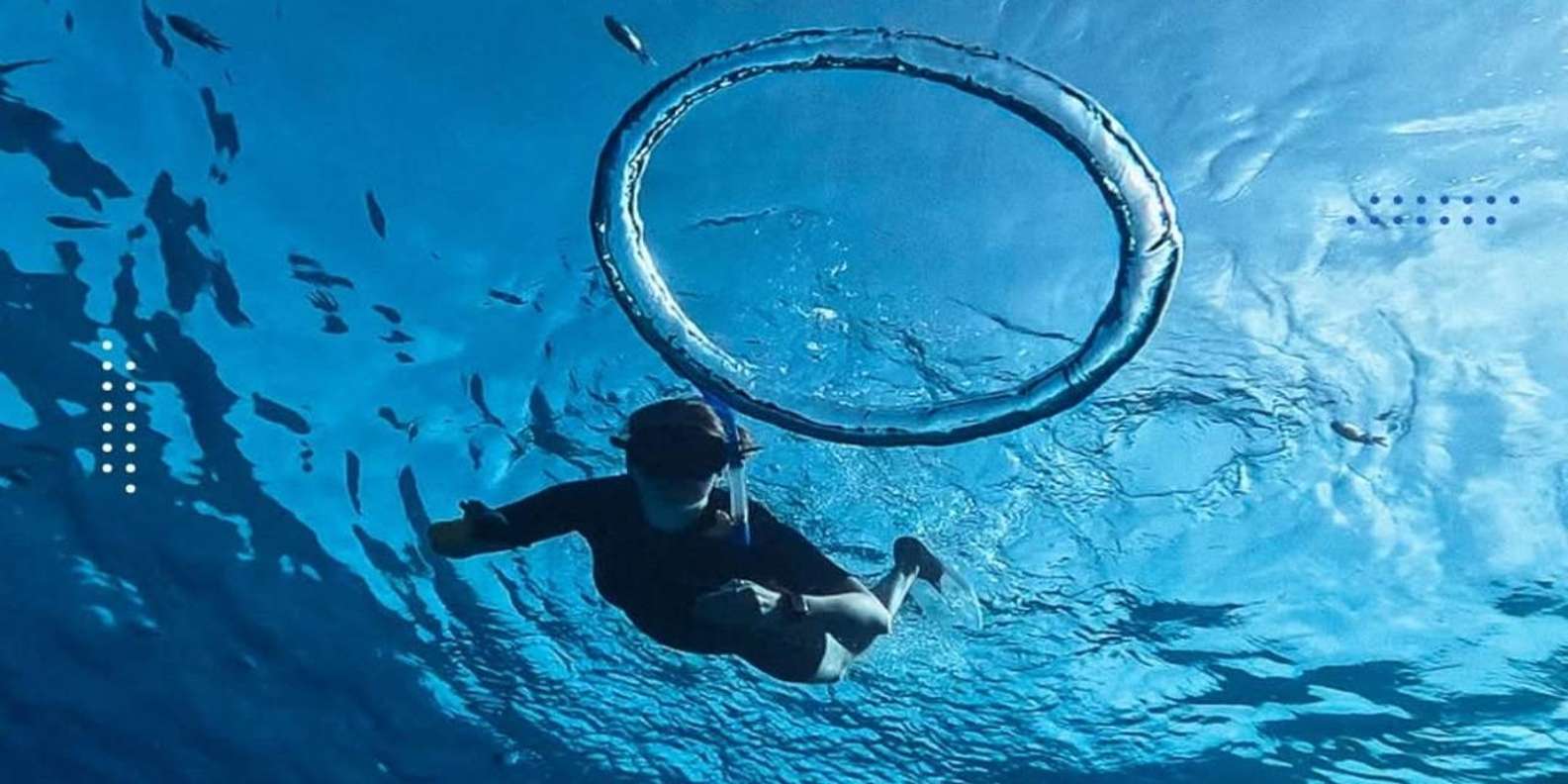
On house reefs, you’ll gear up on the jetty, descend a ladder, and follow a guide along gentle circuits with exit points never far. From Hurghada, expect 45–60 minutes to Giftun moorings for two easy stops and a beach break. Non‑swimmers can still join the spectacle on a Royal Sea Scope semi‑submarine—a crowd‑pleaser for grandparents and toddlers.
Who This Is For
This playbook suits first‑timers, young kids needing vests or pool noodles, teens eager for GoPro moments, and nervous adults who prefer guided, roped routes. Mixed‑ability groups thrive when sandbar paddlers and snorkelers share the same lagoon. For inspiration on pacing with little legs, read our kid‑paced sandbar days—it’s the blueprint for calm, shared fun.

Booking & Logistics
Choose operators with certified guides, small ratios, and moored sites—ask about life vests for children, short fins, and shaded decks. Confirm entry style (ladder vs. beach), depths at stops (aim for 1–3 meters first), and restroom access. Pack rash vests, reef‑safe sunscreen, and dry snacks; boats typically include masks, fins, and buoyancy aids sized for kids.
Sustainable Practices
Brief the family on “fin‑light” kicks and no‑touch etiquette; even gentle contact breaks coral. Use fitted masks and short fins to reduce clumsy kicks. Floatation keeps bodies horizontal and high, protecting the reef. Bring refillable bottles, avoid fish feeding, and favor operators using fixed moorings and pre‑snorkel briefings—small choices that keep reefs vibrant for future trips.
FAQs
New to snorkeling or worried about mixed abilities? The Red Sea’s house reefs, sandbar beaches, and semi‑submarines make it easy to include everyone on the same day. With guide‑led routes, surface floats, and shallow coral shelves, families can progress gradually—first paddling, then peeking, then snorkeling together once confidence clicks.
Is snorkeling safe for young kids and non‑swimmers?
Yes—choose shallow sandbars and house reefs with ladders and rope lines. Fit children with snug life vests, add a pool noodle for confidence, and keep first sessions to 15–20 minutes. Follow the guide, stay upwind of the exit point, and aim for calm morning conditions so kids associate the sea with ease, not effort.
What should we pack beyond the basics?
Bring rash vests, polarized sunglasses, and wide‑brim hats for deck time; a microfiber towel; and snacks kids actually eat. Short fins are easier for beginners. Reef‑safe sunscreen helps protect coral. If anyone has prescription lenses, consider a corrective mask. A light hoodie is handy after swims, especially on breezier winter days.
How do beginner dives work for families?
Try “intro dives” from a calm beach or moored boat. After a short briefing, each participant descends one‑on‑one with an instructor to a comfortable depth—often 3–6 meters—while others snorkel above. Sessions are brief and highly supervised, making them a safe stepping stone for confident teens or adults curious about diving.
Families who treat the Red Sea as a gentle classroom—starting shallow, going early, and booking safety‑first guides—discover that everyone can share the same reef story. Keep choices simple, celebrate small wins, and the underwater world becomes easy, educational, and unforgettable for years to come.


