
Your First Red Sea Dive: A Calm, Step‑by‑Step Day One
Quick Summary: Expect a friendly check‑in, precise gear fitting, a simple briefing, and shallow‑water skills before an easy, guided reef dive. Warm, clear water (often 20–30 m visibility) and gentle sites make the Red Sea ideal for first-timers. Choose reputable operators and relax—your debut can be both safe and spectacular.
The nerves are normal. Morning light skims the Red Sea as you step aboard, handed a coffee and a smile. Your instructor checks sizing, sets expectations, and keeps everything unhurried—because confidence comes from small wins. After a few simple skills in calm, shallow water, you’ll drift over living color, weightless and wide‑eyed, with someone steady at your side.
What Makes This Experience Unique
The northern Red Sea blends tropical clarity and approachable reefs with exceptional training culture. Warm water reduces task‑loading, while visibility often runs 20–30 meters, so you can see your guide, buddy, and seabed with ease. Add reliably gentle leeward sites and sandy entries, and your first breath underwater feels surprisingly calm—more wonder than worry.

Where to Do It
Shallow, beginner‑friendly sites dot the coast. Around Sharm, sheltered reefs and house bays make great starting grounds; plan wider exploring after reading our Sharm El Sheikh travel guide. In Dahab, sandy shore entries at Lighthouse and Eel Garden simplify first skills—see the Dahab travel guide. Consider a guided Ras Mohammed cruise for postcard reefs on calm days.
Best Time / Conditions
Spring and autumn balance warm seas with gentle breezes; winter stays diveable with cooler water but good clarity. Expect water temperatures roughly 22–29°C across the year; a 3–5 mm suit keeps most beginners comfortable. Mornings are typically calmer for boats. Local operators monitor wind and current to choose protected sites matching first‑day comfort.
What to Expect
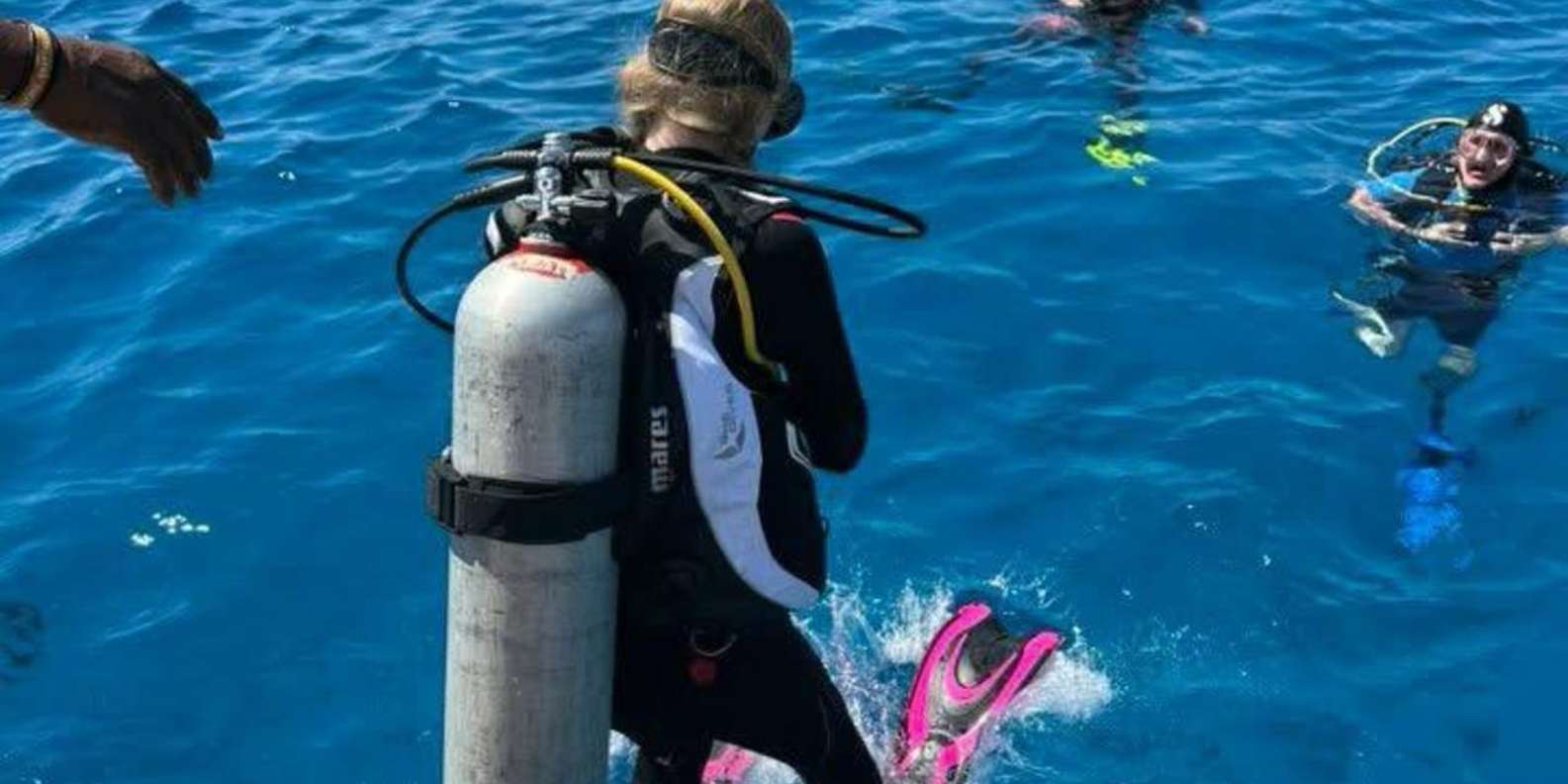
Day one is structured and soothing. You’ll complete a quick medical and waiver, get precisely fitted for wetsuit, BCD, mask, fins, and regulator, then join a safety and hand‑signal briefing. In waist‑deep water or a sandy patch at 5–7 meters, you’ll practice regulator recovery, mask clearing, and buoyancy—then enjoy an easy, guided reef tour.
Who This Is For
Great for confident swimmers and curious snorkelers ready to take the next step, as well as families with teens seeking a shared first dive. Anxious beginners do well here because of warm water, stable platforms, and instructor ratios tailored to comfort. If you prefer shorter sessions, start with a single‑tank try dive before a fuller course.

Booking & Logistics
Choose a center with accredited pros (PADI/SSI) and small groups. Many now offer pre‑arrival e‑learning and digital medicals in 2025. Hotel pickups are common; boats carry spare gear and snacks. If you’re based further north, try a structured beginner scuba in Hurghada. Bring a swimsuit, reef‑safe protection, and a memory card with space—you’ll want photos.
Sustainable Practices
Good buoyancy protects coral. Practice hovering over sand before approaching reef, keep fins high, and never touch or collect. Use mineral‑based, reef‑safe sunscreen, secure gauges, and follow your guide’s spacing rules. Pick boats using mooring buoys over anchors and review pre‑dive etiquette with these practical Red Sea diving safety tips before you go.
FAQs
First dives succeed when expectations are clear. You’ll spend more time preparing than underwater, and that’s the point: a slow rhythm builds confidence. Skills take minutes, not hours, and your guide manages depth, time, and air. If anything feels off, you signal, pause, or surface—there’s no pressure to push beyond comfort.
Do I need to be an expert swimmer to try scuba?
You should be comfortable in the water and able to swim short distances, but you don’t need to be an athlete. First skills happen in calm, shallow areas, often with a line or sandy bottom to steady yourself. Many beginners start with a try‑dive before committing to a full certification.
How deep will I go on my first dive?
Expect shallow profiles designed for comfort and safety. Skills usually begin in waist‑deep water or around 2–3 meters, with the main tour at roughly 5–12 meters depending on conditions and confidence. Clear visibility helps you stay relaxed, see the seabed, and stay within easy control of your buoyancy.
What if I feel anxious or struggle to equalize?
It’s common to feel fluttery at first. Your instructor will coach slow breathing, descents by a line, and gentle equalization every half‑meter. If pressure builds, you pause, ascend slightly, or try again—there’s no rush. Most first‑timer jitters ease within minutes once breathing and buoyancy find a rhythm.
That first drift over coral often flips nervousness into awe. Start where conditions are kind, keep skills simple, and build from there—site by site, breath by breath. When you’re ready to compare operators and training styles, browse our guide to the best diving centers in Hurghada to see what a well‑run beginner day looks like end‑to‑end.


