
Red Sea Diving, Reimagined: Smart Tech for Safer, More Immersive Reefs
Quick Summary: The Red Sea’s next chapter pairs AI-ready dive computers, AR/VR briefings, and precision moorings with bespoke itineraries—creating safer, more immersive dives that protect coral while elevating your experience from Hurghada to Sharm, Dahab, and Marsa Alam.
The first splash is familiar: warm, gin-clear water, a blizzard of anthias, and coral the color wheel forgot. What’s new is everything around it—briefings through AR reef models, AI-assisted dive computers, and boat crews using digital moorings to stagger entries. The result is tech that dissolves into the background while making every minute underwater count.
What Makes This Experience Unique
The Red Sea’s legendary visibility (often 20–40 m) now meets a smarter toolkit. Pre-dive VR/AR walk-throughs show currents, landmarks, and exit routes; on the ascent, computers nudge safer stops with haptic alerts. Operators tailor micro‑itineraries by skill, photography goals, and conservation priorities—turning classic sites into bespoke, low‑impact adventures rather than one‑size‑fits‑all tours.
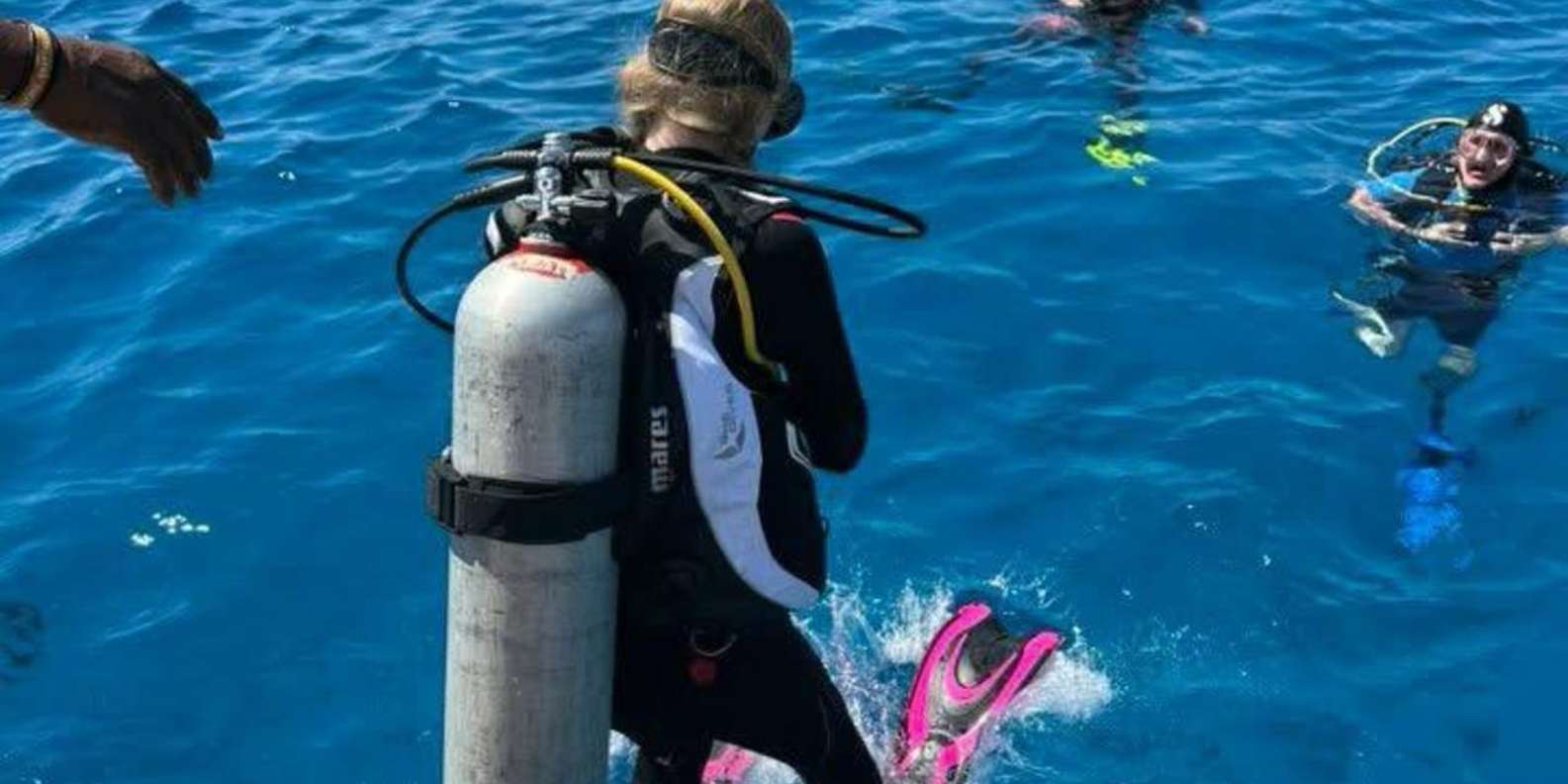
Where to Do It
Choose hubs that blend easy logistics with ambitious reefs: Hurghada to Sharm’s corridor is the natural starting line for mixed‑ability groups, with practical overviews in this Red Sea diving and snorkeling guide. Tech-forward briefings shine at high-profile Sharm el Sheikh dive sites, while Dahab rewards skill progression and Marsa Alam offers quieter house reefs and pelagic chances.
Best Time / Conditions
Expect year-round diving with water hovering roughly 22–29°C depending on season and latitude. Winter brings calmer crowds and crisp visibility; late spring and autumn balance warmth with milder surface chop. Briefings now pair seasonal current patterns with site traffic data, helping crews time entries and select moorings that reduce coral stress and diver congestion.
What to Expect
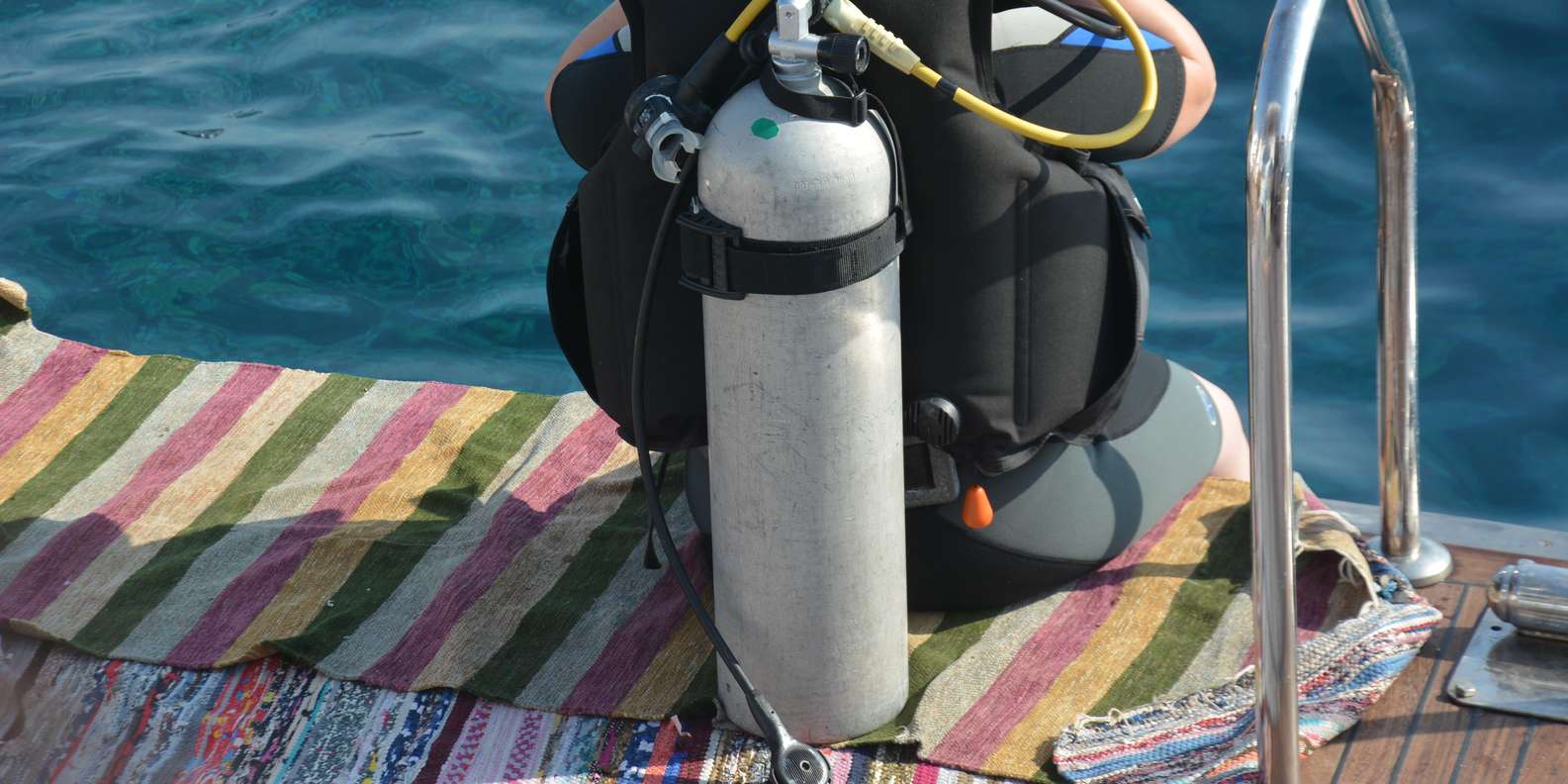
AR briefings visualize the route; underwater, integrated computers manage gas and ascent pacing. Photographers benefit from stabilized rigs and fast low‑light sensors, ideal on wrecks like the Thistlegorm (deck near 18 m; seabed ~30 m) featured among iconic Red Sea dives. Expect cleaner entries via staggered groups and clearer buddy awareness thanks to subtle haptics and light signals.
Who This Is For
Beginners gain confidence through VR practice runs and gentler briefings; intermediates refine buoyancy with live feedback; pros and photographers get curated current windows and crowd‑free swim‑throughs. Families and naturalists can fold in citizen science, while explorers can branch to lesser‑known dive sites that sidestep traffic without sacrificing drama. Tech elevates skills without replacing them.
Booking & Logistics
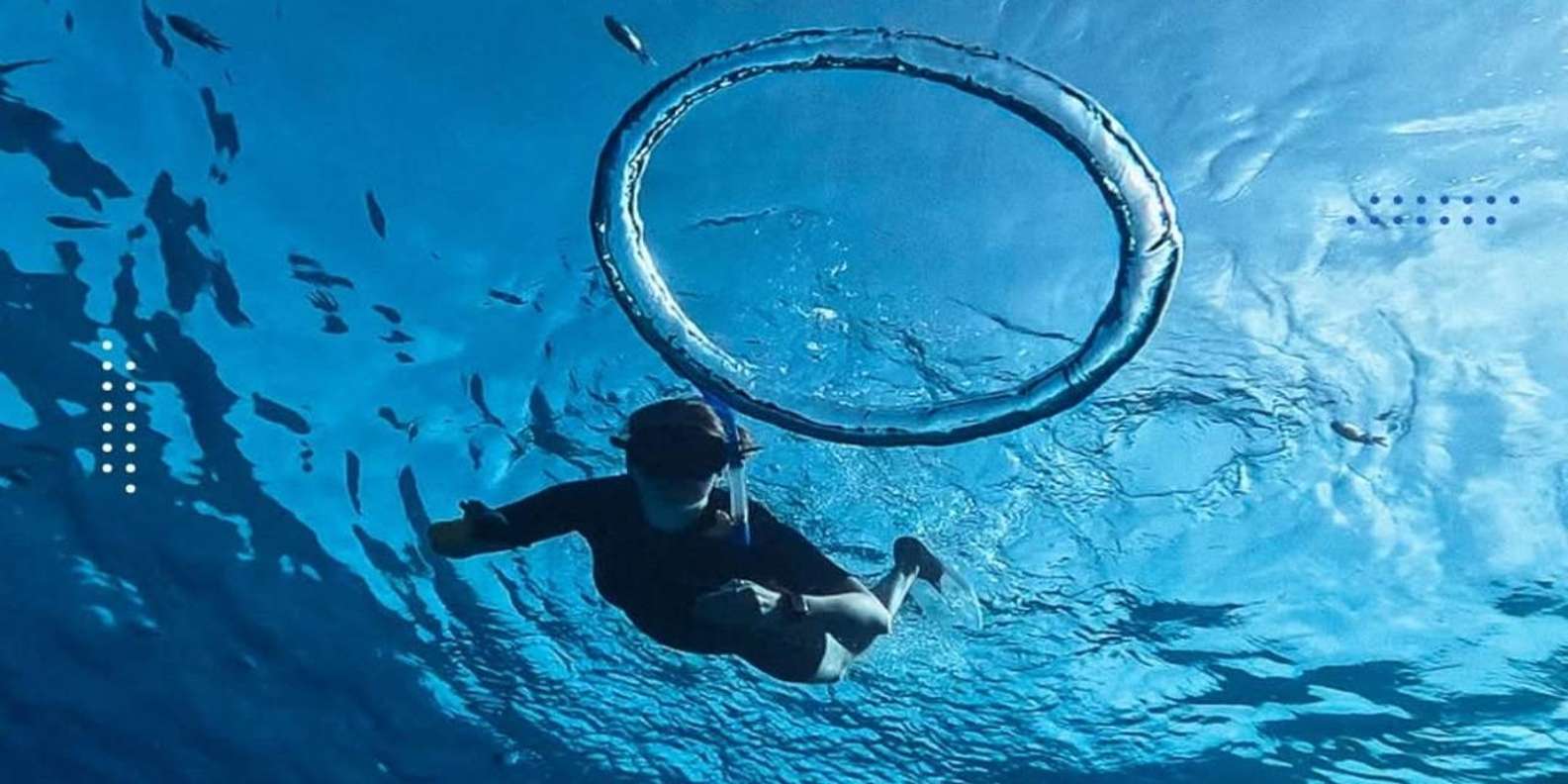
Pick operators that advertise digital moorings, capped group sizes, and staggered splash times. From Sharm, headline sites in Ras Mohammed are typically 45–60 minutes by boat, so comfort features—shade, Wi‑Fi briefings—matter. Photographers should request tripod‑free policies and silt etiquette. For range and variety, consider liveaboard diving safaris linking reefs overnight to catch prime current windows.
Sustainable Practices
Look for nitrox analyzers that log tanks in-app, standardized no‑touch briefings, and camera baselines that prevent coral contact. Boats using permanent moorings and digital site maps dramatically cut anchor scarring. Divers can contribute to reef monitoring or debris tallies through new dive site and reef conservation projects, turning data points into smarter protection.
FAQs
Smart tools don’t replace fundamentals—they amplify them. The modern Red Sea experience layers AR/VR previews, precise moorings, and gentle haptics onto the same easy conditions and kaleidoscopic reefs that built its legend. Here are quick answers to common questions before you book your next immersion.
Do I need new tech to enjoy the Red Sea?
No—but it helps. Even rental computers now offer clear ascent prompts and gas tracking, while boats deliver AR briefings on a tablet or screen. If you own a computer, update firmware and practice haptic alerts on shallow check dives. The priority remains buoyancy, awareness, and respectful distancing from coral.
How do these tools change photography dives?
Previews highlight silt pockets and flow, so you stage shots without finning a sandstorm. Stabilization and gentle focus lights reduce stress on nocturnal life, and guide-led spacing avoids bubbles in frame. Many sites suit wide‑angle at 8–18 m with excellent 20–40 m visibility, so plan natural‑light passes before adding strobes.
Which sites suit mixed-ability groups?
Shallow coral gardens near Hurghada and Marsa Alam are ideal for refreshers, while confident divers can add gentle drifts or a classic wreck like Thistlegorm under close supervision. Families can snorkel above plateaus as divers explore ledges, regrouping at the mooring. Clear surface support and timed entries keep everyone comfortable.
The Red Sea’s magic has always been its light, color, and effortless buoyancy. Today’s tech simply clears the way: smarter planning, lighter impact, more time where the fish are. Pick thoughtful crews, favor moorings over anchors, and let innovation protect the very reefs you came to feel—up close and unhurried.


