
Beyond the Resorts: Hidden Beaches and Wild Islands of Egypt’s Red Sea
Quick Summary: Trade sun-loungers for small boats, camel paths, and tide-timed sandbars. The Red Sea’s quiet edge offers protected coves, luminous reefs, and desert-island hush—reachable from Hurghada, El Gouna, Sharm El Sheikh, Dahab, and Marsa Alam with smart timing and low-impact choices.
Dawn along the Red Sea tastes like salt and diesel. A skiff rocks at the marina, nets drying on its gunwale, while, somewhere beyond the hotel arcades, a camel track finds the shore. You push off, chasing a pale seam where sand meets reef. Resorts recede; a pelican arc lines the horizon. The sea flattens, and the quiet begins.
What Makes This Experience Unique
Hidden beaches and “wild” islands on Egypt’s Red Sea aren’t about ticking off famous names—they’re about working with the coast’s natural rhythms. Many of the most photogenic sand tongues appear only around low tide, and the best snorkeling happens when wind and current calm enough for you to hover over coral heads without a whitewater mask-fight. That makes timing as important as the destination.
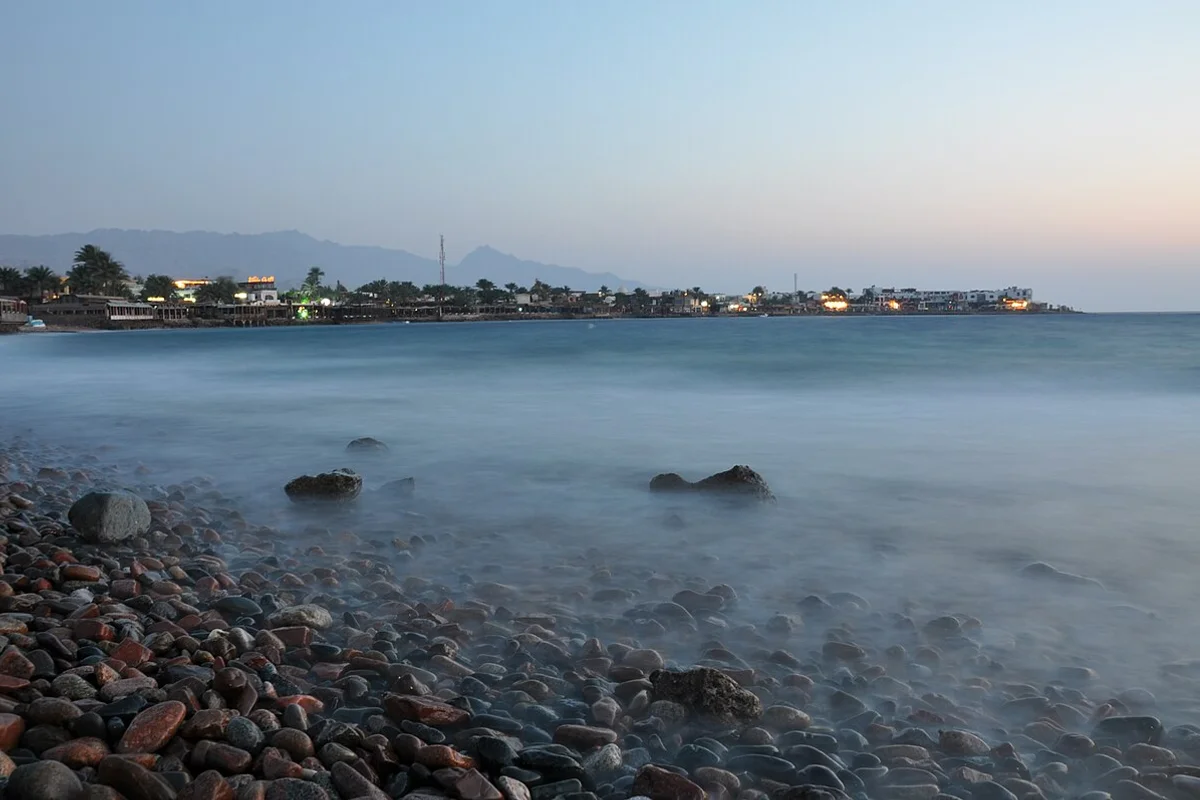
Unlike a resort shoreline (raked sand, fixed shade, and constant foot traffic), these places feel raw and simple. Expect wind-sculpted dunes, salt-stiff driftwood, and beaches where the only sounds are hull slap, terns, and the click of your own fins. The Red Sea’s clarity varies by day and site, but the underwater color tends to come fast—often within a short fin-kick from shore or a mooring buoy.
They’re also “close to town” adventures that still read as remote. From Hurghada and El Gouna, you can be off Giftun’s reef edge within a short boat run; from Sharm El Sheikh, Ras Mohammed’s protected bays and White Island’s temporary sandbar can feel a world away from Naama Bay. The point isn’t luxury—it’s space, clean horizons, and reef time without the loud schedule.
Where to Do It
Base yourself in Sharm El Sheikh for tide-timed runs to White Island and Ras Mohammed’s protected shallows, or in El Gouna for lagoon-studded boat days. North of Hurghada, explore Hurghada island snorkels—Giftun, Abu Minqar, Magawish—via small boats. For guided access, consider a Mahmya & Giftun snorkeling cruise or the White Island & Ras Mohammed trip.
Best Time / Conditions
For most travelers, the sweet spot is late spring through early summer (roughly April to June) and early autumn (September to November). Air temperatures are comfortable for boat rides, and the sea is warm enough for long snorkel sessions without feeling rushed. In midsummer (July and August), the water is typically at its warmest, but heat on exposed beaches can be intense—shade planning matters.
Winter (December to February) can still deliver excellent days, especially on sheltered routes, but the trade-off is wind. Even when the sun is strong, a breezy boat ride can feel chilly after a swim, so a wind layer and an extra towel earn their keep. Sea conditions can change quickly; a calm morning can turn into a choppier return crossing by afternoon.
Tide and wind are the two variables that most affect “hidden” sandbars and the ease of snorkeling. White Island-style sand tongues look their best around lower tide, while coral gardens are easiest for beginners when surface chop is minimal. Ask your skipper or guide to plan swim stops in leeward bays, and expect the route to be adjusted on the day to match wind direction and visibility.
What to Expect
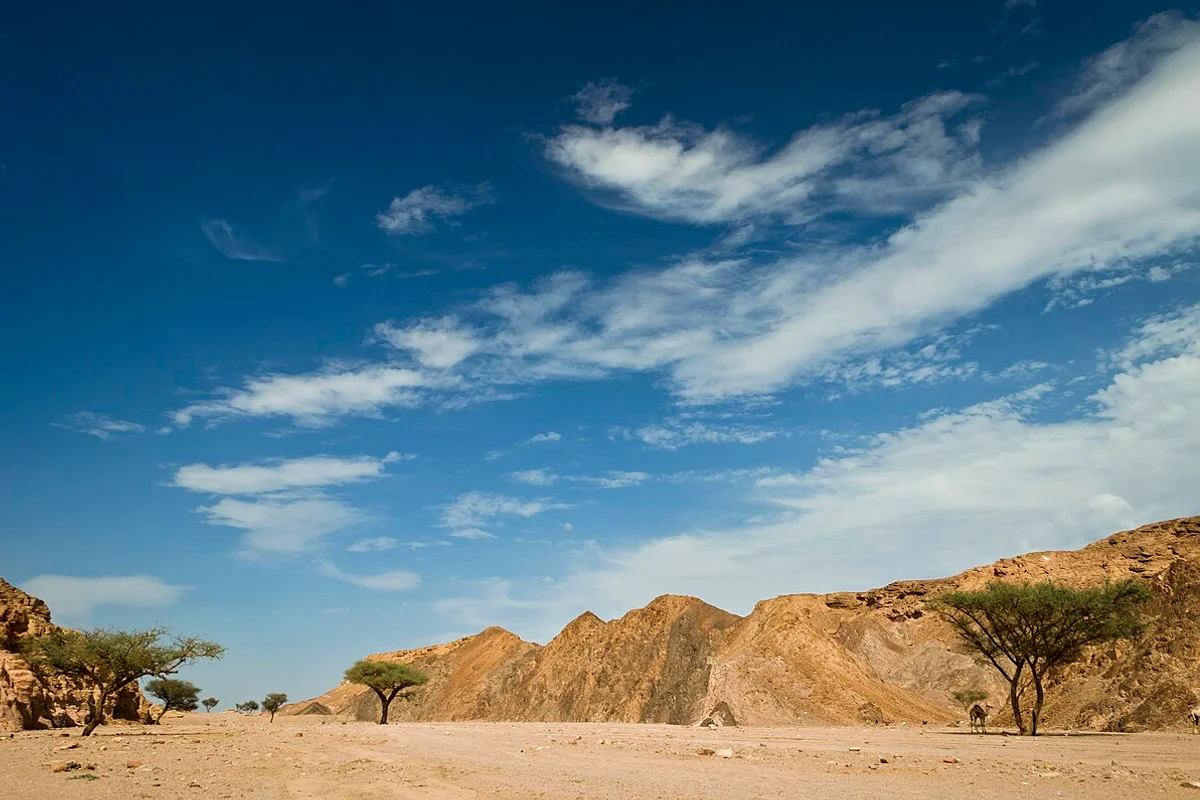
Most days start early at a marina: Hurghada and El Gouna departures often leave as the sun clears the desert ridge, while Sharm trips line up with park entry routines and tide windows. You’ll typically have a short safety briefing (life jackets, entry/exit points, where currents run) and then a first run to a reef stop before the main beach landing. If you’re chasing sandbars, the crew will time arrival so the sand is exposed and walkable, not submerged.
Snorkeling here is usually gentle rather than technical. You’ll slip into water over a shallow coral shelf, then drift along a reef edge where depth drops off. In protected bays you may see clouds of anthias over coral heads, butterflyfish picking at the reef face, and grazing parrotfish leaving telltale crunch marks. On quieter days, look for eagle rays in sandy channels and turtles cruising the seagrass lines—especially where there’s healthy eelgrass.
Beach time is simple: wet landings, a patch of shade if the boat carries it, and a short walk for photos along the cleanest stretch of sand. Facilities are often minimal outside organized beach concessions, so plan for “leave no trace” behavior and pack-out trash. Lunch, if included, is usually eaten on board or on a designated beach zone depending on marine park rules.
Expect at least two snorkel stops on a typical island day, sometimes three if conditions allow. The best crews space them so you don’t snorkel tired—one longer session in the morning, a break for hydration and food, then a second relaxed swim when the light is higher and reef colors pop. The return is often the windiest leg, so dry off early, add a layer, and keep electronics sealed in a dry bag.
Who This Is For
Solitude seekers and slow travelers who prefer tide charts to timetables; photographers chasing clean horizons; first-time snorkelers wanting shallow, forgiving entries; and families who value small-group pacing. If you crave nightlife volume or resort programming, this isn’t your day. If “quiet edge,” “short fin kicks,” and “no speakers” sound right, welcome aboard.

Booking & Logistics
Choose operators who cap groups, use moorings, and include a certified guide. Private skiffs are ideal for sunrise starts and flexible swim times; most depart from Hurghada and El Gouna marinas or Sharm’s jetty lines. In marine parks, permits and mooring-only rules apply; drones are restricted. Pack rash guards, booties, a dry bag, and cash for captain’s tea and tips.
Sustainable Practices
Wear long-sleeve UPF tops and reef-safe, non-nano zinc sunscreen to reduce chemical load. Use mooring lines; never anchor on coral. Keep fins high and hands off—coral is living. Maintain two meters from turtles and rays; don’t feed fish. Pocket microplastics from the tideline, leave shells and urchins, and favor small, local boats that run low-wake, low-waste days.
FAQs
These hidden stretches reward timing and restraint. Aim for early departures, pick skippers who read tide and wind, and keep your circle small. Expect wet landings, modest shade, and simple comforts—tea, fruit, water. The payoff is silence, luminous reef color, and the feeling you’ve arrived somewhere that doesn’t need you, but doesn’t mind you either.
How do I avoid crowds on popular islands?
Go early, go small, go weekday. Sunrise departures hit White Island before flotillas and catch its sand at the right tide. Ask for skiffs carrying a dozen or fewer, and choose mooring buoys away from main swim lines. In Hurghada, target secondary Giftun moorings and time lunch when others are snorkeling.
Can beginners snorkel safely at these sites?
Yes—many Red Sea island stops are beginner-friendly because they offer shallow lagoons and sheltered bays, especially around Giftun and inside Ras Mohammed’s calmer inlets. Safety depends on conditions and supervision: choose trips with a guide in the water, use a flotation aid if you’re not confident, and avoid snorkeling when wind creates surface chop or when you’re asked to cross a current line.
Beginners should wear fins and a well-fitting mask, keep a relaxed pace, and stay near the mooring line or inside a marked swim area. If you feel tired or cold, get out early; most issues start when people push through fatigue. A short practice session in waist-to-chest-deep water before heading to the reef edge makes the rest of the day much easier.
What should I pack for a minimalist island day?
Two liters of water per person, UPF top, brimmed hat, polarized sunglasses, non-slip booties, and reef-safe sunscreen. Add a dry bag, microfiber towel, and a light wind layer for boat rides. Bring snacks in reusable containers; leave single-use plastics ashore. A soft mask strap cover saves tangles and tender scalps.
Out here, the day edits itself: wind, tide, and the quiet industry of fish over coral. Return unhurried, salt-dried and sun-slowed, with only a wake-line trace behind you—and plans for the next tide window across Hurghada’s island gardens, El Gouna’s lagoons, and Sharm’s fleeting sandbars.


