
Quick Summary
- Choose Hurghada if you want easier snorkeling with kids, simpler beach access, and better overall value for multi-activity trips (desert + sea in one base).
- Choose Sharm El Sheikh if you want flagship Red Sea reef scenery, more “resort promenade” evenings, and more wall/drift-style diving days.
- Water is swimmable year-round, with March readings near 21.8°C (Hurghada) and ~22°C (Sharm) in common sea-temperature datasets.

Hurghada vs Sharm El Sheikh at a Glance
Hurghada is the practical, family-friendly Red Sea base with quick access to sandy lagoons and short boat rides to patch reefs. Sharm El Sheikh is the reef-first resort hub where signature sites (Ras Mohammed/Tiran) drive the itinerary and the evenings feel more “built for tourism.”| Category | Hurghada | Sharm El Sheikh |
|---|---|---|
| Typical airport-to-hotel transfer (one way) | 20–35 minutes | 15–25 minutes |
| Common day-boat departure time | 08:00–09:00 | 08:00–09:00 |
| Summer peak sea temperature (dataset range) | 28–30°C | 27–30°C |
|---|---|---|
| Best-fit traveler profile | families, first-timers, mixed activities | experienced snorkelers/divers, resort nights |
Sea-temperature readings/ranges shown above come from sea-temperature datasets for Hurghada and Sharm El Sheikh (SeaTemperature.org; seatemperature.info; seatemperature.net).
Dive and Snorkel Reality Check
If your trip is built around underwater time, your choice should be driven by entry style and topography, not hotel stars. Hurghada’s signature is “easy-mode Red Sea”: sandy entries, patch reefs, and lagoons that keep stress low and water time high.Sharm’s signature is vertical relief: walls, stronger currents on some days, and reef structure that starts close to shore in many bays. That’s why Sharm often feels “more spectacular per minute underwater,” while Hurghada often feels “more comfortable per hour in the water.”
Diving sites Hurghada: what you actually get
Hurghada’s best days usually mix 2 reef stops + 1 snorkeling stop, with surface intervals tuned for families and new divers. Expect:- Sandy-bottom approaches that reduce accidental fin contact for beginners.
- Shorter learning curve for buoyancy because entries are less intimidating.
- More forgiving conditions when you’re traveling with a mixed-skill group (new diver + snorkeler + non-swimmer).
Sharm El Sheikh diving: what you actually get
Sharm’s standout value is park-grade reef density and wall profiles, especially when boats run Ras Mohammed. Ras Mohammed National Park was established in 1983, and that protected status is a key reason the area is marketed as a global dive icon (EEAA, 2022).Plan for:
- More jetty entries on house reefs (great coral access, less beach “wading”).
- More current-dependent site selection on certain days.
- Higher payoff for confident snorkelers who are comfortable over deeper water.

Sea Temperature by Season
For most travelers, comfort comes down to water temperature and wind, not air temperature. In late winter/early spring, a 5 mm wetsuit is common for repetitive dives; in summer, many divers switch to 3 mm or a shorty depending on tolerance.| Period | Hurghada sea temp (°C) | Sharm sea temp (°C) | Practical kit |
|---|---|---|---|
| Mid-March (current readings) | 21.8°C | ~22.0°C | 5 mm wetsuit for divers |
| Winter low (typical) | ~21–23°C | ~22–24°C | 5 mm + hood optional |
| Spring warm-up (typical) | 23–26°C | 24–26°C | 3–5 mm depending on dives/day |
| Summer peak (typical) | 28–30°C | 27–30°C | 3 mm or shorty for most |
| Autumn shoulder (typical) | 26–28°C | 26–28°C | 3 mm comfortable |
Data points and ranges are based on commonly used sea-temperature datasets for Hurghada and Sharm El Sheikh locations (SeaTemperature.org; seatemperature.info; seatemperature.net).
Beaches and Water Access
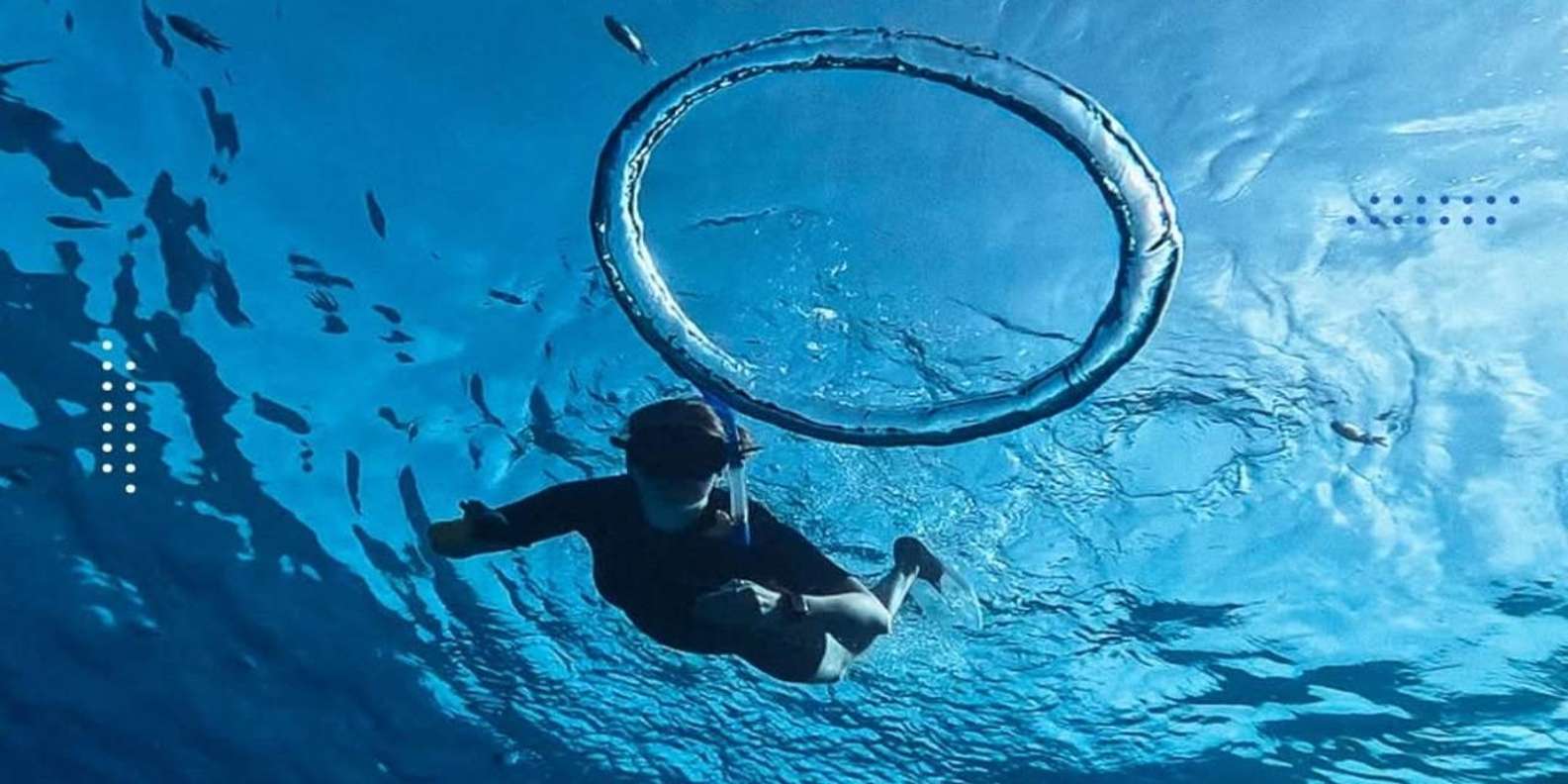
Hurghada’s coastline is long and sandy, so resorts and public beach clubs can deliver “simple beach days” without planning. That matters if your group includes grandparents, toddlers, or anyone who wants to spend 4 hours in knee-deep water without jetties.Sharm’s best swimming is bay-by-bay: you pick the bay for wind shelter and the property for reef access. Many of Sharm’s most photogenic coral areas are accessed via a jetty to protect the shallow coral shelf, which is great for reefs but less ideal for small kids who want to run in and out.
Nightlife and Evening Style
Hurghada’s evening pattern is dispersed: marina walks, casual cafés, and hotel bars, with shorter taxi hops between zones. It’s easier to keep nights low-cost and low-commitment.Sharm’s evening pattern is concentrated: promenade-style areas where dinner, shisha cafés, and late venues are clustered. That concentration is why Sharm often feels “more lively without planning,” especially for couples and groups that want to walk between venues.
Trip Cost Breakdown
Your total trip cost is usually driven by 3 levers: accommodation tier, private transfers, and how many “big ticket” sea days you do. Hurghada typically gives you more functional value per euro because you can combine islands, desert, and city life without premium resort pricing.| Cost item (per person) | Hurghada (EUR) | Sharm El Sheikh (EUR) | Notes that change the total |
|---|---|---|---|
| Airport transfer (private car, one way) | €18 | €20 | Group size changes per-person price fast |
| Full-day snorkeling boat | €29 | €33 | Add-on: national park fees where applicable |
| Intro scuba (Discover Scuba-type day) | €55 | €62 | Includes instructor + 1–2 water sessions |
| 2-tank fun dive day (certified diver) | €45 | €52 | Gear rental often +€8–€15/day |
| Ras Mohammed day trip (boat/bus style) | N/A | €38 | Availability depends on weather/permits |
This table is an operator-style budgeting framework meant for planning, not a universal price list; actual prices vary by season, boat class, and inclusions. Use it to compare “shape of costs,” then book with cancellation flexibility and verified reviews.
Logistics That Actually Affect Your Itinerary
Hurghada is easier to use as a multi-excursion base because the city is integrated with the resort strip. That reduces “dead time” between a sea day and a dinner plan.Sharm is more zone-based, so logistics depend on where you stay (Naama Bay vs Sharks Bay vs Nabq vs Hadaba). The wrong zone choice can add 20–35 minutes each way to your preferred beaches, dive jetties, or evening promenade.
Local Insight
Wind is the hidden schedule-killer, and it impacts the two bases differently. When it’s breezy, Hurghada operators often pivot to more sheltered island stops or shorter routes; Sharm operators often switch bay choice or timing rather than cancel outright because reef access can still work via sheltered jetties.House-reef access is not equal, even within the same destination:
- In Sharm, “house reef” usually means jetty entry over a protected coral shelf; it’s excellent for photographers but not ideal for toddlers or non-swimmers.
- In Hurghada, “house reef” often means a swim-out over sand to coral patches; it’s easier for mixed groups but can be less dramatic than Sharm’s walls.
- Do 1 dedicated reef day (boat trip) and 1 dedicated beach day (lagoon) instead of trying to do both in 1 day.
- You’ll get more total water hours and fewer meltdowns, especially with kids under 8.
Who Should Choose Hurghada
Hurghada is the better match if you want maximum flexibility with minimum friction. Choose Hurghada if you want:- Beginner-friendly snorkeling and dive entries (more sand, calmer lagoons).
- Better value for longer stays (7–10 nights) where you’ll do 3+ excursions.
- A destination where “what to do today” decisions can be made at 19:00 for tomorrow morning.
Who Should Choose Sharm El Sheikh
Sharm is the better match if your priority is “reef spectacle per dive day” and you like resort-based evenings. Choose Sharm if you want:- National-park-grade reef days, including Ras Mohammed (established 1983) as a headline experience (EEAA, 2022).
- More promenade-style nights with dining + lounges in a tighter radius.
- A trip built around diving/snorkeling first, with beaches as a secondary benefit.
Sustainable Red Sea Travel
Small mistakes cause permanent damage on coral reefs. Follow these rules every day:- Use mooring buoys; never accept anchoring on coral (common best practice in protected areas like Ras Mohammed).
- Keep fins high and buoyancy controlled; 1 coral kick can destroy years of growth.
- Use reef-safe sun protection and prioritize UV shirts to reduce sunscreen load in the water.
Decision Framework
If you answer “yes” to 3 or more, choose Hurghada:- You have kids under 12 or a non-swimmer in the group.
- You want sandy entries and calm lagoons.
- Your trip includes desert activities plus sea days.
- You’re optimizing for value over resort polish.
- Your trip is primarily about diving/snorkeling spectacle.
- You prefer jetty access to coral over wading beaches.
- You want concentrated evening promenades.
- You’re comfortable with deeper water and occasional currents.


