
Sindbad Submarine Sinking in Hurghada: A Safety Reckoning for Red Sea destinations tours and activities
Quick Summary: The Sindbad submarine sinking in Hurghada exposed regulatory gaps and operational risks across Red Sea destinations boat and semi‑submarine tours. Centering the human toll, this feature outlines pragmatic safety reforms—training, oversight, and transparency—to rebuild trust without stalling a vital tourism economy.
. The human cost now drives a necessary reckoning: how does the Red Sea destinations reset safety—quickly and credibly?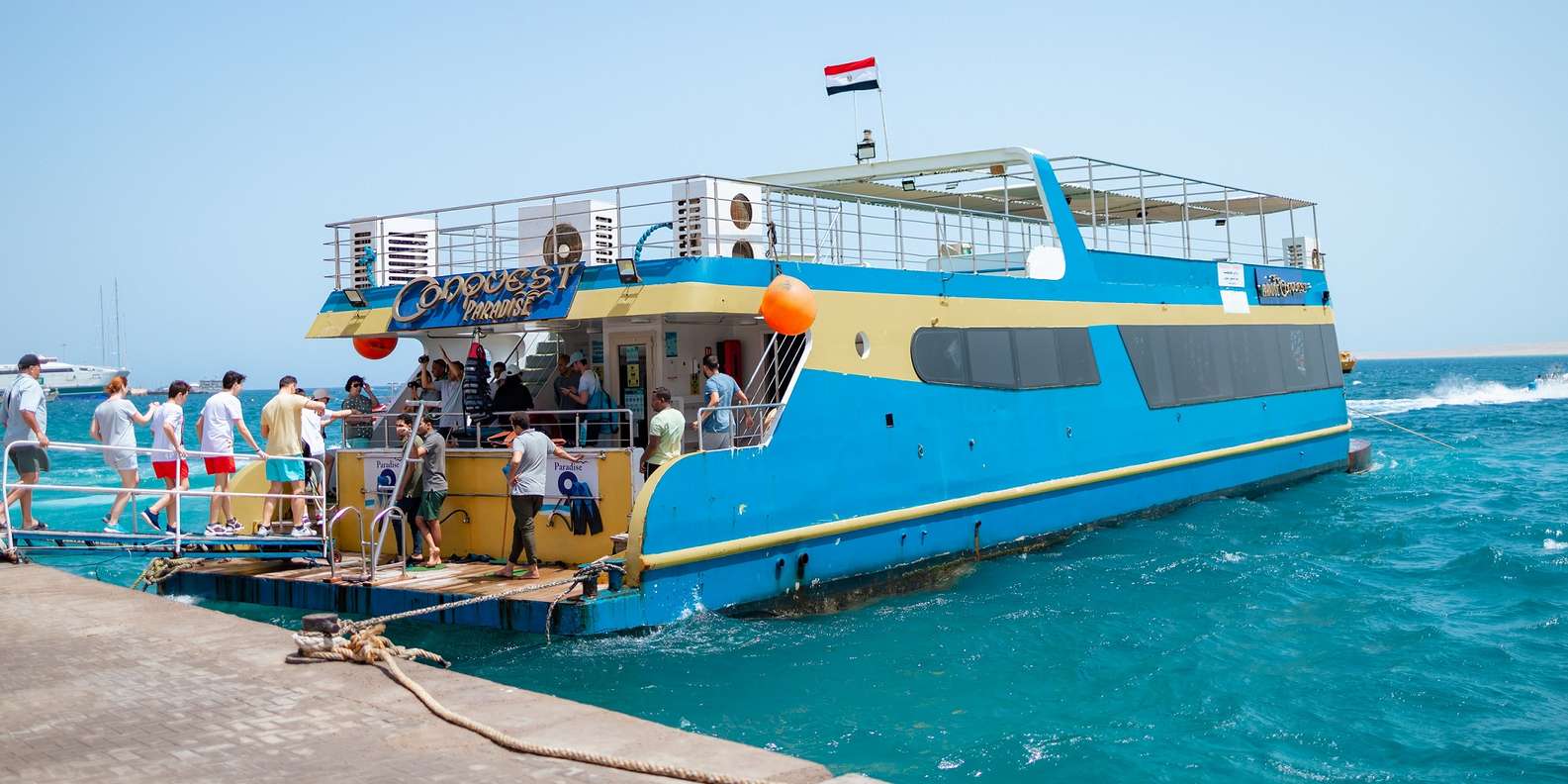
What Makes This Experience Unique
. The tragedy doesn’t erase that magic—but it reframes it. Operators must prove that wonder and safety can coexist, every hour, every departure, on every vessel, with rigor you can feel onboard.Where to Do It
Hurghada’s marina remains the region’s tour heartbeat, with easy access to sheltered reefs, sandbar lagoons, and semi‑submarine routes. Across the gulf, Sharm El Sheikh offers similar glass‑hull viewing and island day trips, backed by mature infrastructure and coastguard presence. The choice isn’t just where the reefs shine; it’s where oversight and operator discipline are most visible.

Best Time / Conditions
Calmer seas prevail from late spring through early autumn, with surface waters around 23–29°C and typical morning departures favored for lighter winds. Safety is seasonal too: clear pre‑departure briefings, conservative weather windows, and strict boarding controls matter most when gusts pick up or swell builds past one meter—small margins that define big outcomes.
What to Expect
On reputable semi‑submarine trips, expect a 10–15 minute safety talk, controlled boarding by manifest, and 40–50 minutes in the viewing cabin. Seating is assigned, lifejackets stowed at hand, and crew complete buoyancy and watertight checks before cast‑off. After Sindbad, passengers should also see visible headcounts, sealed door indicators, and calm, practiced crew drills.

Who This Is For
Families, new snorkeling toursers, and non‑swimmers can still experience the reef without entering the water—provided standards are enforced. diving experiencesrs, too, benefit from higher cross‑fleet discipline that extends to tenders and day boats. If you value transparency, look for operators who publish safety certifications and incident‑response protocols, not just glossy brochures and sunset timetables.
Booking & Logistics
Choose operators that over‑communicate safety. In Hurghada, the well‑reviewed Royal Sea Scope and the snorkeling-sea-trip-hurghada">Paradise Conquest semi‑submarine publish clear inclusions, transfer details, and cabin times. Verify insurance coverage, crew ratios, and emergency equipment lists before paying. Reputable platforms detail cancellation policies and may audit partners after major incidents.
Sustainable Practices
Safety and sustainability reinforce each other. Ask about fixed moorings (no anchoring on coral), low‑wake approaches to reefs, greywater controls, and hull maintenance that reduces fuel burn. Choose semi‑submarine routes that limit seabed disturbance and crowding. Operators should phase out single‑use plastics and support reef monitoring with every departure—not just on marketing day.
FAQs
. Here’s what to know before you step aboard any tour in Hurghada or the wider Red Sea destinations, and the reforms that should be visible at the dock.Is it still safe to book semi‑submarine or boat tours?
Yes—if operators demonstrate discipline you can verify. Look for bilingual safety briefings, live headcounts versus manifests, visible lifejackets, sealed hatch indicators, and crew who can point out firefighting, oxygen, and lifebuoy stations instantly. If weather or boarding looks chaotic, walk away. Responsible companies will rebook or refund.
What concrete reforms should I expect to see in 2026–2026?
Independent inspections before peak seasons, rigorous boarding gates with weight and buoyancy checks, AIS tracking, cabin CCTV, and timed drill logs. Manifests must reconcile at pier and again offshore. Coastguard audit cadence should be published. Finally, a transparent incident‑reporting portal will rebuild trust faster than PR statements.
What’s the difference between a submarine and a semi‑submarine?
. Always confirm the vessel type when booking.For families determined to show their kids the reef safely, start with a primer on semi‑submarine tours across the Red Sea destinations. Then, book with operators that publish standards—and prove them at the pier. Hurghada, and the Red Sea destinations at large, can heal traveler trust if accountability moves from policy to practice, one boarding gate at a time.


