
Red Sea Photo Trail: Neon Reefs, Desert Light, Sinai Stone
Quick Summary: Chase color and contrast: turquoise sandbars at low tide, cobalt drop-offs at noon, granite Sinai cliffs at golden hour, and living reefs on ethical snorkel days. Bring polarizers, a dome port or red filter, and travel light—your frames should feel unquestionably Egyptian.
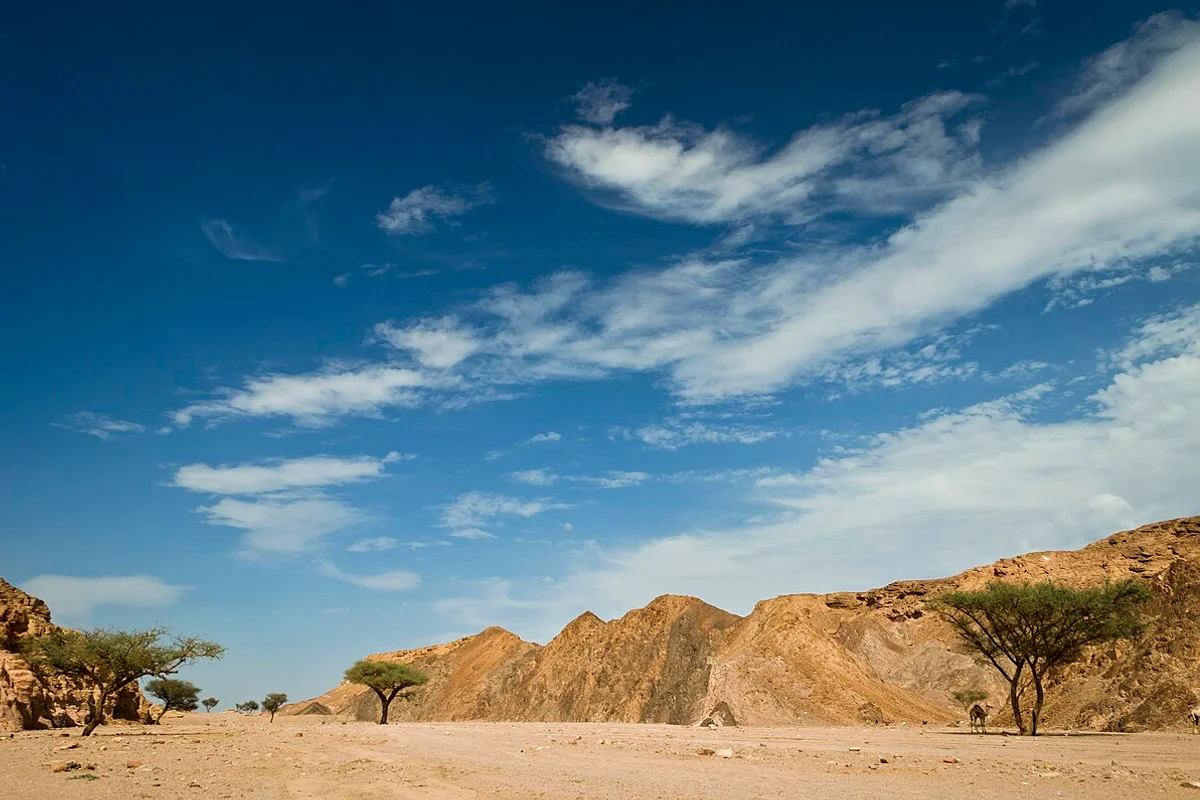
Follow the color. On Egypt’s Red Sea, your photo trail moves from wind-brushed dunes to neon reefs and the shadowy drop of the abyss. Mornings paint glassy sandbars; noon saturates corals; evening throws Sinai’s granite into bronze relief. Treat the coast as a studio: horizon lines, silhouettes, and the cleanest desert light you’ll shoot all year.
What Makes This Experience Unique
Egypt’s Red Sea offers rare extremes in one frame: powder-soft beaches, kaleidoscopic reefs, and the monumental textures of Sinai stone. The palette is cinematic—turquoise, cobalt, alabaster, copper—backed by 20–30 m water clarity and stark, low-humidity desert light. Your images feel distinctly Egyptian because the geology, color, and culture are inseparable from the scene.

Where to Do It
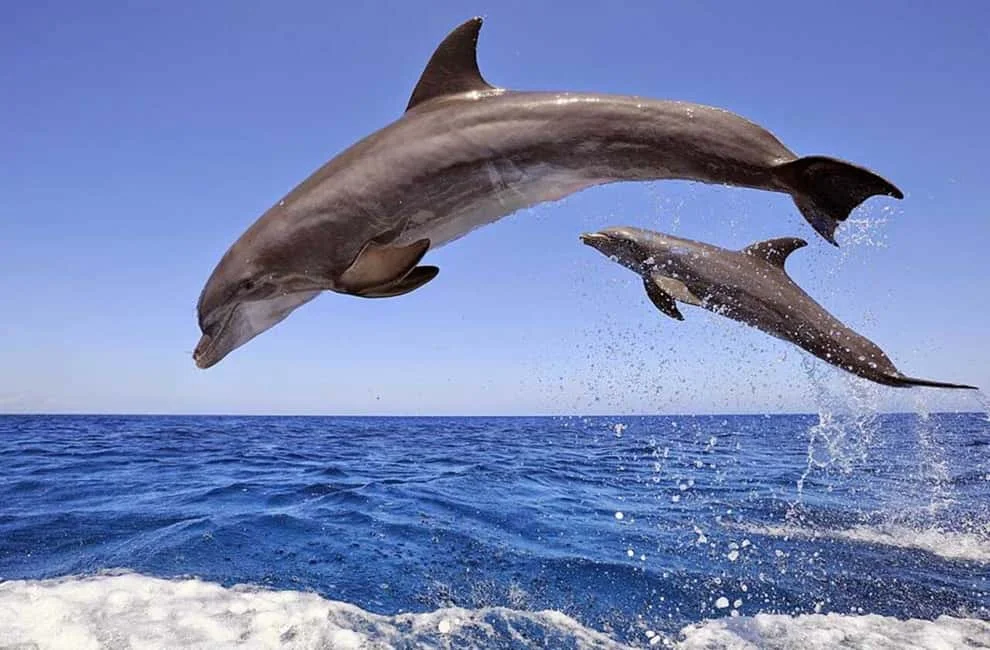
Start on Hurghada’s Giftun sandbars for aerial geometry, then chase reef edges at Ras Mohammed from the base in Sharm El Sheikh. North, the cliffs and circular abyss of Dahab’s Blue Hole dramatize scale. Marsa Alam’s Sataya brings dolphin encounters over teal seagrass. For graphic lagoon patterns, El Gouna delivers polished backdrops and private charters.
Best Time / Conditions
For color, shoot reefs at midday when the sun burns through the water column; for mood, work golden and blue hours along Sinai’s ridgelines. Winter seas hover around 22–24°C; summer peaks near 28–30°C. Boats reach Giftun in roughly 30–45 minutes, with calmer seas early and the cleanest sandbar reflections at low tide.
What to Expect
Expect fast-changing light and firm contrasts. Pack a circular polarizer for surface glare, a red or magenta filter for snorkeling depths to ~10 m, and a dome port for split-level horizons. Underwater, reds fade quickly—compose tight and shoot RAW. On land, keep horizons level and embrace negative space for that unmistakable desert minimalism.
Who This Is For
Travelers who love color, clarity, and clean lines—smartphone shooters to advanced creators. Snorkelers can capture striking frames without diving; freedivers and scuba photographers will find blue walls and schooling fish. Families will enjoy sandbars and shallow lagoons, while adventure seekers can add cliff paths and camel tracks to big-sky Sinai vistas.
Booking & Logistics
For sandbar days, an Orange Bay snorkeling tour is the easy button from Hurghada or El Gouna. In Sinai, a guided Blue Hole & Canyon day trip pairs shoreline drama with reef time. Bring a microfiber towel, silica packs for humidity, and a dry bag; rentals cover masks, snorkels, and vests.
Sustainable Practices
Float, don’t stand—corals are living animals. Keep fins high, never chase wildlife, and skip flash. Use reef-safe sunscreen and a long-sleeve rash guard. Drones face restrictions near resorts and parks; ask before flying. For timing and low-impact routes to sandbars, see our Hurghada island escapes guide and this practical underwater photography guide.
FAQs
Photographing the Red Sea blends seascape planning with ethical wildlife practice. Master tide tables for sandbars, noon light for reef color, and late-afternoon shadows for Sinai relief. Keep kit simple: one wide prime or zoom, a waterproof phone case or action camera, and spare batteries—desert heat drains them faster than you expect.
What camera settings work best underwater and on sandbars?
Underwater, start around 1/250–1/500 sec, f/5.6–f/8, auto ISO capped near 800, plus a red filter to restore warm tones. For split shots, overexpose the underwater side by ~2/3 stop. On sandbars, shoot 1/1000 sec in bright sun, f/5.6–f/8, polarizer on, and expose to preserve highlights.
Can I photograph dolphins or protected areas anywhere?
Only on sanctioned boat routes with strict distance rules; never dive down to interact. At marine parks, obey ranger guidance and mooring regulations—anchors damage coral. Some mosques and checkpoints restrict photography; always ask before shooting people or prayer spaces, and avoid drones unless you have written permission.
How do I keep gear safe from salt, sand, and heat?
Use a roll-top dry bag, keep spare batteries shaded, and wrap cameras in a microfiber cloth. Rinse housings and straps in fresh water immediately after trips, then air-dry before opening. Swap lenses indoors to dodge dust. Silica gel helps with humidity; never leave gear baking on open decks.
The Red Sea rewards intention: plan your tide, choose your wall, then let the light sculpt the scene. When the frame clicks—turquoise shallows, a copper ridge, a school of anthias—you’ll know you’ve bottled Egypt’s essence in a single photograph.


