
Chart Your Own Red Sea: Private Charters from Hurghada to Dahab
Quick Summary: A private Red Sea charter means you choose the menu, timing, and reefs. Sail from Hurghada to Dahab for sunrise dives, sandbar picnics, and empty coves—supported by crewed yachts, smart routing, and gentle, sustainable practices.
Dawn slips over Hurghada Marina as your captain casts off, a tray of Arabic coffee and fresh dates balanced beside fins and cameras. The itinerary is yours: a sunrise drop at a quiet reef, a chef-grilled lunch near an empty sandbar, and a slow glide north toward Dahab as the sky turns apricot and mauve.
What Makes This Experience Unique
Quiet luxury here is the freedom to decide. Depart before the flotillas, tailor chef-led menus to dietary preferences, and linger at a cove because the light is perfect. Private charters unlock early moorings, flexible dive windows, and sanctuaries unreachable on group timetables—where the only sound is your own bow cutting a silver-blue morning.
Where to Do It
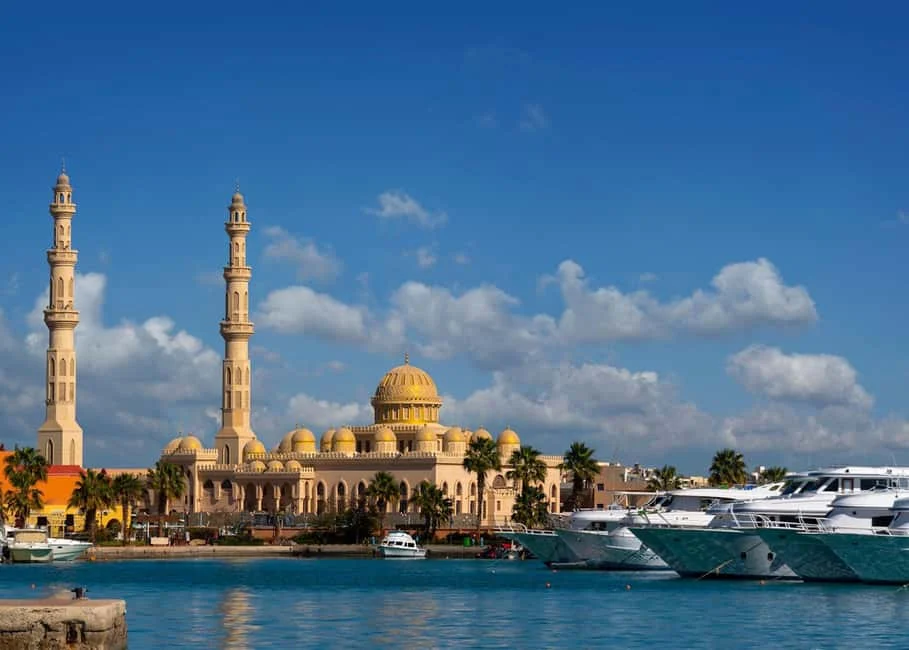
Hurghada is the classic launch point for day charters and short private cruises, thanks to its marinas, provisioning, and fast access to nearshore reefs. A common first stop is the Giftun Island area (including sheltered lagoons and snorkel sites), where you can ease into the day with a shallow swim before moving out to deeper coral gardens. From Hurghada, boats can also angle south toward Makadi Bay and Sahl Hasheesh for calmer water in northerly winds, and on longer routes continue to Soma Bay and Safaga—areas known for wide reef shelves and reliable visibility.
If you’re after a more “off the schedule” feel, base in El Gouna for a quieter marina scene and easy early departures. The sailing time to the same reef belt is similar, but the atmosphere differs: fewer day boats, more space to brief, kit up, and settle into the rhythm of the sea. El Gouna also works well for mixed groups—snorkellers can spend time in lagoons while divers plan a deeper drop on nearby walls.
For multi-day private charters, Marsa Alam is a strong option when your priority is long, wildlife-focused snorkelling and diving. Reefs here often sit a little farther apart, encouraging slower days: extended surface intervals, multiple snorkel sessions, and sunset cruises instead of rushing back to port. Up in Sinai, Sharm El Sheikh is the main charter hub for the Strait of Tiran and Ras Mohammed area, while Dahab suits smaller, more tailored outings where the day can revolve around a single calm bay, a shore-support rendezvous, or a relaxed cruise timed around wind.
Best Time / Conditions
The Red Sea is year-round, with typical water temperatures around 22–24°C in winter and 27–29°C in summer, and visibility often 20–40 meters. Early departures secure calm seas and empty buoys; shoulder months deliver gold light and fewer boats. Expect northerlies; skippers route for lee shores, using coves and headlands for natural shelter.

What to Expect
A private charter day usually starts with a short safety briefing and a clear plan for the first stop based on wind and sea state. If you’re diving, the crew will help set up tanks and weights, and you’ll typically do the first entry early—when surface chop is lowest and the reef is most active. Snorkellers often begin from the stern platform or a tender, with guides pointing out giant clams, anemonefish, and the tell-tale shimmer of anthias over the coral heads.
Between stops, the pace slows in a good way: fresh fruit comes out, wet gear is rinsed, and you cruise while the captain reads the water. On a well-routed day you’ll alternate a protected bay or lagoon with an outer reef edge, so beginners get easy conditions and confident swimmers can drift along a coral wall. Keep an eye out for turtles grazing on sea grass, eagle rays cruising the sandy patches, and the occasional fast flash of a tuna or trevally in the blue.
Meals are part of the charter experience rather than an afterthought. A chef or cook will usually time lunch after the main swim, when everyone’s warm and hungry, and the menu can be tailored—grilled chicken or fish, rice and salads, tahini, and seasonal fruit are common foundations. If you’re doing a longer private cruise, evenings tend to be quiet: a sunset anchor in a sheltered cove, stargazing on deck, and an early night to catch the next day’s first light on the reef.
Who This Is For
Couples chasing horizons, families who prefer shallow sandbars to deep drops, photographers hunting blue-on-gold morning, and divers or freedivers wanting flexible windows. Small groups (six to ten) share costs elegantly. If you crave unhurried time on the water, measured service, and room to breathe between stops, this is your perfect rhythm.

Booking & Logistics
Private charters are typically arranged as half-day, full-day, or multi-day cruises, with the boat and crew reserved exclusively for your group. The operator will confirm your preferred departure marina (for example Hurghada, El Gouna, or Sharm El Sheikh), your priority activities (snorkelling, diving, sightseeing, fishing where permitted), and any must-haves like a chef-led menu or a quieter route away from busy anchorages. Expect a pre-trip message covering passport/ID requirements, pickup timing if transfers are included, and the day’s meeting point at the marina.
What’s included varies by boat, but most quality charters provide crew, fuel for the agreed route, drinking water and soft drinks, and standard snorkelling equipment; dive tanks/weights may be included or offered as an add-on depending on the setup. If you’re bringing children, ask for correctly sized life vests and shade options; if you’re diving, confirm whether a dive guide is included and what certification proof is required. For comfort, pack soft bags (hard suitcases are awkward on deck), and bring cash for tips where customary—crew work long hours in sun and salt, and service is a big part of the experience.
Timing matters. Aim for the earliest practical departure to reduce transit time in afternoon winds, and build in flexibility: a good captain will swap reef order or change anchorages to keep the sea calm and entries easy. If your group gets seasick, choose routes with shorter open-water legs (for example staying closer to the Hurghada/Makadi reef line rather than pushing far offshore) and keep the first hour light—ginger tea, small snacks, and time to find your sea legs before the first swim.
Sustainable Practices
Insist on mooring buoys over anchors, reef-safe sunscreen, and no-touch, no-feed snorkelling. Pack reusable bottles; separate organic from plastic onboard. Respect fish-size regulations if you plan to line-catch dinner. Book operators who brief on fragile stony corals and turtle etiquette, and who tailor routes to ease pressure on busy reefs.
FAQs
Thinking of chartering but unsure how it all works? Here are straight answers to common questions—covering travel times, suitability for beginners, and what to pack. The beauty of a private charter is precision: the route, the menu, and the pace adjust to your group, weather windows, and the stories you want to bring home.
How far are the reefs from Hurghada Marina?
Many popular snorkel and dive reefs are within roughly 30–90 minutes by boat from Hurghada Marina, depending on your yacht’s speed and the day’s sea state. Nearshore areas around Giftun Island are often on the shorter end, while more remote stops can take longer if the captain routes around wind and chop. Your operator should confirm realistic transit times for your chosen itinerary before departure.
Can beginners snorkel safely on a private charter?
Yes. Captains match stops to ability, starting with sandbar shallows around one to three meters, clear entries, and gentle current. Life vests, guides in the water, and briefing cards raise confidence. Morning windows are calmer; you can observe from the tender first, then slip into water at your pace.
What should I pack for a Red Sea charter?
Soft bags, reef-safe sunscreen, polarized sunglasses, a light wind layer, and quick-dry towels. Add motion bands if you’re sensitive, a waterproof phone pouch, spare SD cards, and any personal meds. Divers bring certification cards; families pack kid-sized rash vests and snacks that won’t melt on deck.


