
Marsa Alam’s Quiet Blue: Dugongs, Dolphins and Desert Hush
Quick Summary: Seek rare dugongs over seagrass at Abu Dabbab, drift the blue near Elphinstone, meet spinner dolphins at Sataya, and sleep under a star-swept Eastern Desert—an intimate, conservation-led Red Sea journey.
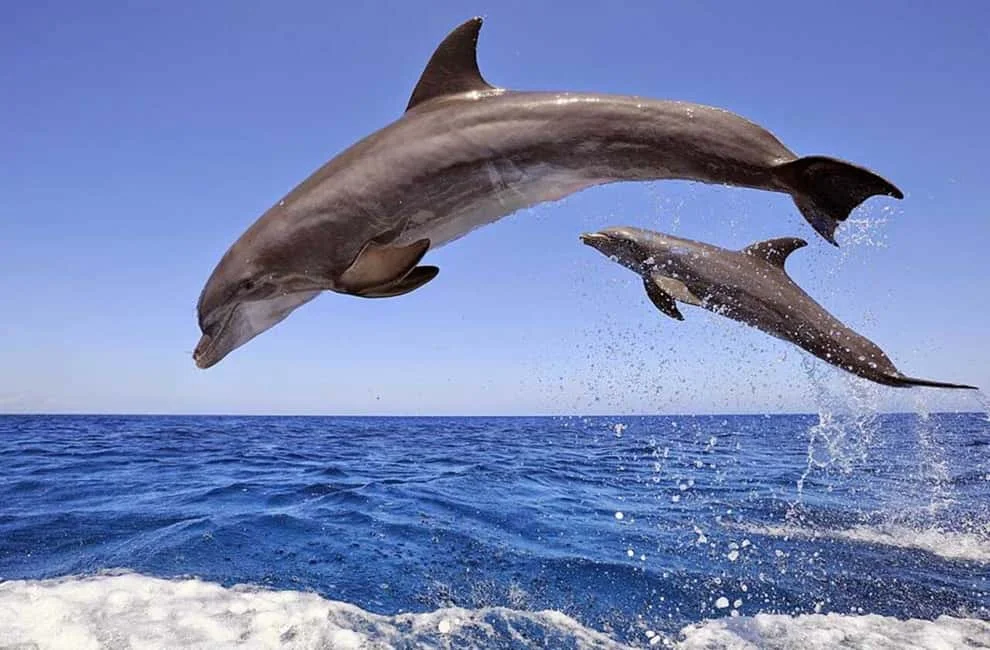
Morning lays a silvery hush over Marsa Alam. The sea is glass, the desert patient, and you wade through seagrass where green turtles browse and a shy dugong might ghost past. Offshore, Elphinstone’s blue edge beckons; farther south, Sataya holds a spinner dolphin nursery. At night, the dunes breathe cool, and the sky spills stars like salt.
What Makes This Experience Unique
Marsa Alam’s gift is space—long, seagrass-lined bays with gentle entries, offshore reefs with dramatic drop-offs, and a coastline still ruled by silence. Here conservation is not an afterthought but the frame: managed dolphin lagoons, seagrass protection, low-rise resorts, and Bedouin-led desert evenings. You pair rare encounters—dugong, dolphins, hawksbills—with a slower rhythm and genuine local hospitality.
Where to Do It
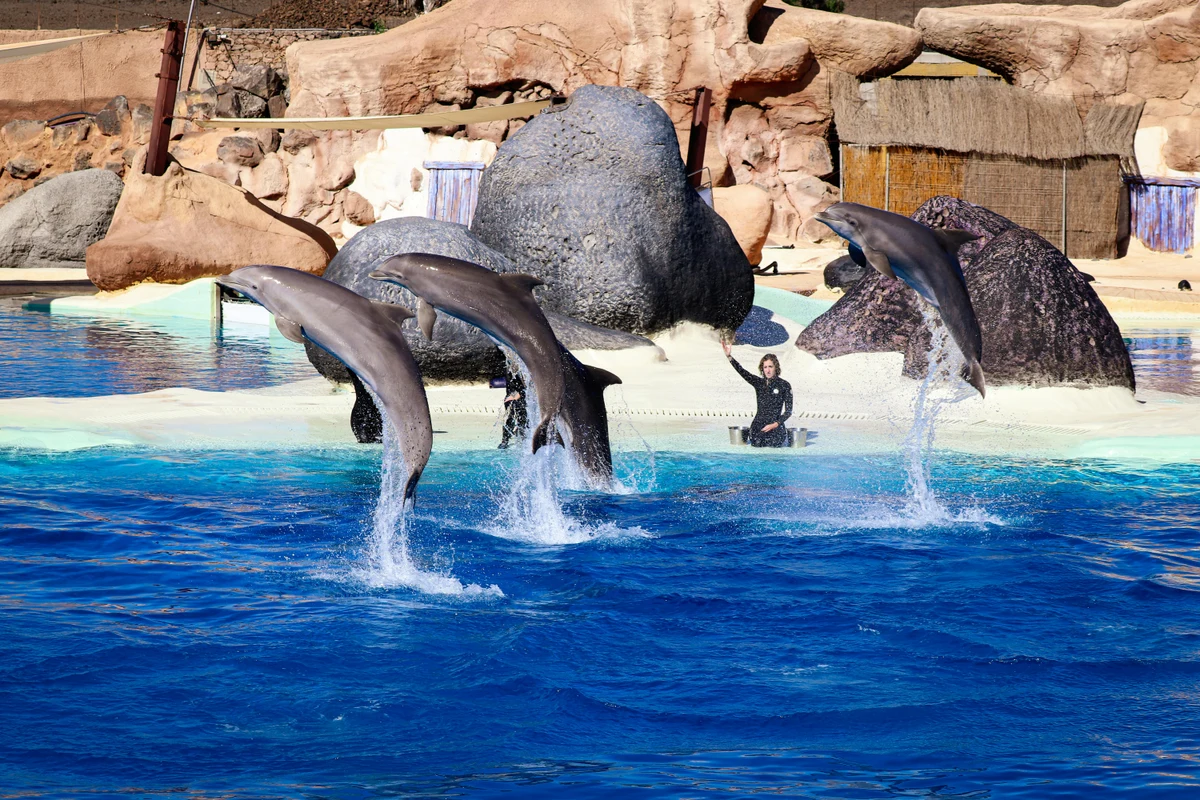
Start in Abu Dabbab Bay, a shallow, sandy arc famed for turtles and occasional dugong; guided snorkels maximize your odds and protect the meadows (Abu Dabbab dugong & turtle tour). For wild dolphin encounters, head south to Sataya Dolphin House, a protected lagoon reached by day boat (Sataya Dolphin House snorkeling). Divers add Elphinstone’s walls and house-reef shore dives near Marsa Ghalib.
Best Time / Conditions
Expect 20–30 m visibility year-round. Water temperatures hover around 22–24°C in winter, rising to 28–30°C in summer; 5 mm suits are typical outside peak heat. Spring and autumn bring calmer seas for offshore runs. Early starts beat wind and boats at Sataya; midday sun best reveals Abu Dabbab’s turtle- and dugong-grazed seagrass.

What to Expect
At Abu Dabbab, snorkel over 2–8 m seagrass where guides scan for turtle cleaning stations and the characteristic “mowed” patches dugongs leave. Sataya’s lagoon swim is gentle and supervised; crossings can run 60–90 minutes from Hamata depending on conditions. Divers at Elphinstone drift along walls that plunge beyond 70 m, scanning the blue for pelagics.
Who This Is For
Choose Marsa Alam if you crave quiet water time and real chances at marquee wildlife without crowds. Confident snorkelers and families love the sandy entries and house-reef routines; photographers relish morning glass and soft desert light. Advanced divers come for offshore walls; non-divers unwind with beach days, desert stargazing, and Bedouin tea circles.
Booking & Logistics
Fly into RMF for short transfers—Abu Dabbab is roughly 30–45 minutes north of town. Prioritize operators with small-group ratios and in-water guides. If you’re weighing pace and access versus nightlife and hubs, see this nuanced comparison: Marsa Alam vs Sharm El Sheikh. Prebook peak-season Sataya trips and request early departures to secure quieter encounter windows.
Sustainable Practices
Stay surface-level with dolphins, keep a relaxed distance, and never pursue pods; choose operators that rotate groups and limit time near nurseries. Over seagrass, maintain neutral buoyancy and avoid fin-kicking the meadow. Brush up on current guidance here: Red Sea marine wildlife safety. Support reef projects and low-impact stays shaping the southern coast’s future (new dive sites & conservation).
FAQs
This coastline rewards measured expectations. Dugongs are never guaranteed, yet guided sessions dramatically improve chances while protecting fragile seagrass. Dolphin swims at Sataya are with wild animals in a managed lagoon; respectful observation comes first. House-reefs deliver daily snorkels without boats, while offshore days add big-wall drama when weather and currents align.
Can I really see dugongs in Marsa Alam?
Yes—sightings cluster around Abu Dabbab’s broad seagrass pastures, where dugongs graze in shallow, sandy water. Encounters are sporadic and brief; guides read behavior, meadow condition, and crowding to time entries. Even without a dugong, green turtles, guitarfish, and stingrays make the bay a high-reward, low-stress snorkel.
Is Marsa Alam suitable for beginners and families?
Absolutely. Many house-reefs offer sandy, wave-sheltered entries with lifeguards and surface floats. Snorkel guides provide short briefings and route plans tailored to conditions. For new divers, calm bays host intro dives, while experienced companions can add boat days. Choose resorts with on-site centers to simplify kit, timing, and supervision.
What permits or fees apply at Sataya and Wadi El Gemal?
Licensed operators include conservation and park fees in the trip price for Sataya and sites within Wadi El Gemal National Park. These funds support moorings, ranger patrols, and visitor management. Always book with reputable providers who adhere to rotation systems, mooring use, and group-size limits to minimize pressure on wildlife.
In Marsa Alam, rare moments arrive quietly: a breathy dugong exhale, dolphins skimming pearl-sand shallows, a kettle hissing under a sky of countless stars. If you long to keep the hush, travel south with intention—and consider extending north to Quseir’s historic shores and tranquil diving for a slower, story-rich finish.


