
Quick Summary
- Marsa Alam is the best choice for: dugong-focused bays, sharky offshore reefs, quieter resort strips, and serious “dive-eat-sleep-repeat” itineraries.
- Sharm El Sheikh is the best choice for: SS Thistlegorm (max depth 30 m), Ras Mohammed diversity, big group logistics, and non-diving nightlife. (PADI) (CBD, 2007)
- If you’ll dive 10+ times in a week: Marsa often feels less congested on the water; Sharm often delivers more site variety per day-boat radius.
- If you need easy add-ons for a mixed group: Sharm typically has the smoother “divers + non-divers” split.
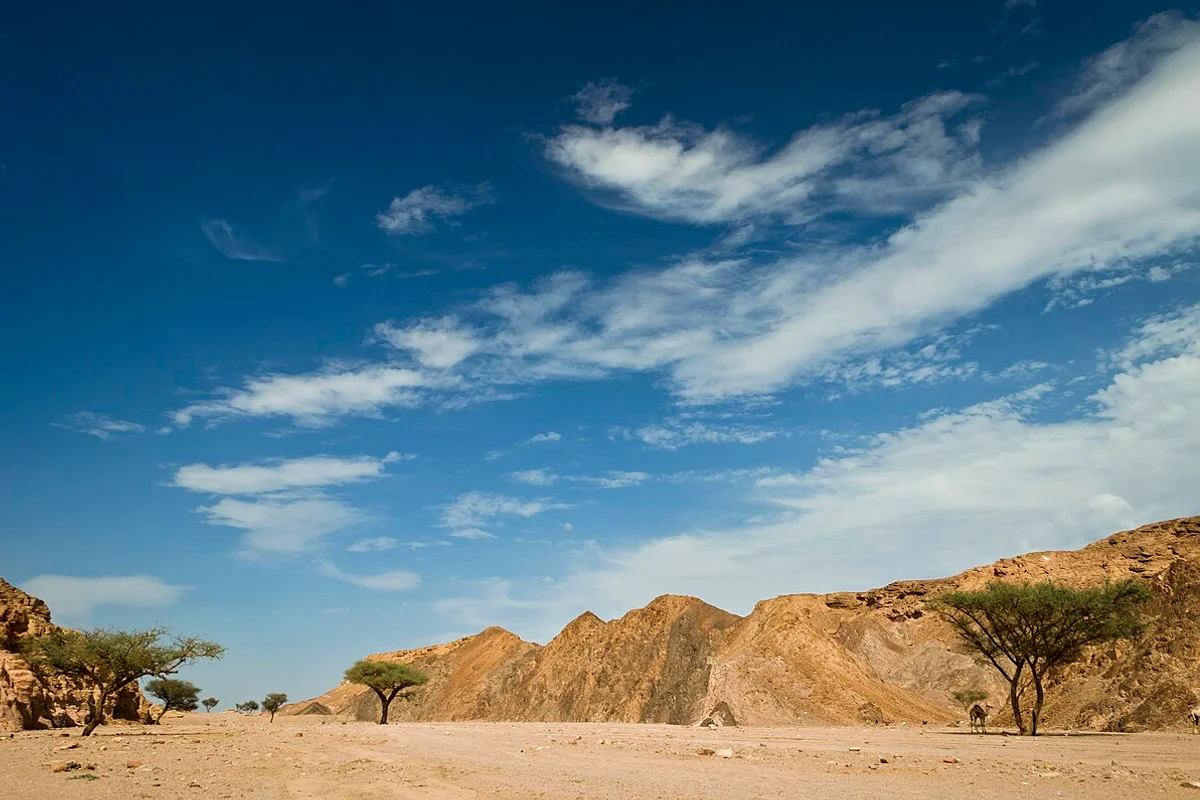
Marsa Alam vs Sharm El Sheikh at a Glance
Decision table for fast planning
| Factor | Marsa Alam (typical) | Sharm El Sheikh (typical) |
|---|---|---|
| Signature “hero” dive | Elphinstone | SS Thistlegorm |
| Hero site distance offshore | 12 km (Elphinstone) | — |
| Hero site max depth | 70+ m depth range (reef walls; dive plan varies) | 30 m max depth (Thistlegorm) |
| Park / protected-area anchor | Wadi El Gemal NP: 7,450 km² | Ras Mohammed NP: 480 km² |
| Best-fit diver profile | Intermediate–advanced, wildlife-first | All levels; wreck/reef variety |
(Elphinstone distance/depth: Deep South Divers.) (Thistlegorm depth: PADI.) (Wadi El Gemal area: GANP.)
Trip Cost Breakdown
These are “plan-your-week” numbers used by Red Sea operators for quoting, not vague ranges; they’re designed to help you compare structure, not lock you into one supplier’s tariff.Typical paid add-ons that change your final bill
| Cost item (per person) | Marsa Alam (EUR) | Sharm El Sheikh (EUR) |
|---|---|---|
| 2-tank local boat day (incl. lunch) | 85 | 80 |
| 1 guided shore/house-reef dive | 45 | 40 |
| Full-day “hero site” trip | 110 (offshore reef day) | 145 (Thistlegorm day) |
| Nitrox per day (if available) | 12 | 12 |
| 5-day / 10-dive package (boat-based) | 395 | 375 |

Diving Conditions That Actually Affect Your Week
Currents, depth, and effort level
Marsa Alam’s “headline” dives skew toward exposed offshore reefs, where current management and disciplined SMB ascents are normal operations, not “advanced-only bragging rights.” Elphinstone is explicitly described as intermediate-to-advanced, with moderate-to-strong currents and 20–40 m visibility, and the reef is ~12 km offshore. (Deep South Divers)Sharm El Sheikh has a broader spread of low-effort reef dives plus advanced options, so you can scale a week more easily for mixed experience levels. If you’re targeting the Thistlegorm, plan for a deep wreck with a published maximum depth of 30 m and bring the right tools (torch, computer) because the value is inside the holds as much as outside.
Protected areas and why they matter for divers
Ras Mohammed National Park’s total area is 480 km² and is majority marine (70%), which is one reason it remains a high-density dive zone with formal protection history dating to 1983. (CBD, 2007)Wadi El Gemal’s scale is completely different: 7,450 km² total area, with 4,770 km² land and 2,100 km² sea sections, making it a serious “beyond diving” asset for Marsa-based itineraries.
Best Dive Targets by Destination
Pick Marsa Alam if your non-negotiables are megafauna
- Offshore sharks: Elphinstone is specifically noted for oceanic whitetip and hammerheads, with the strongest seasonal emphasis typically in September–November for longimanus sightings. (Deep South Divers)
- Dugong logic: dugongs track healthy seagrass—operators schedule your best attempts around calm mornings and low wind because boat traffic and surge reduce sighting quality.
- “House reef efficiency”: many Marsa-area resorts run directly onto fringing reefs, turning a 60-minute window into a full dive without a boat timetable.
Pick Sharm El Sheikh if your non-negotiables are wreck + variety
- SS Thistlegorm: a 126 m WWII freighter, with maximum depth listed as 30 m; it’s a “bring your torch and buoyancy discipline” dive because the holds are the point. (PADI)
- Ras Mohammed: a large, formally protected system (480 km² total) supporting reef diversity and huge site choice for day boats. (CBD, 2007)
- Logistics advantage: Sharm’s density usually means more departure times, more boat options, and simpler “late booking” availability.
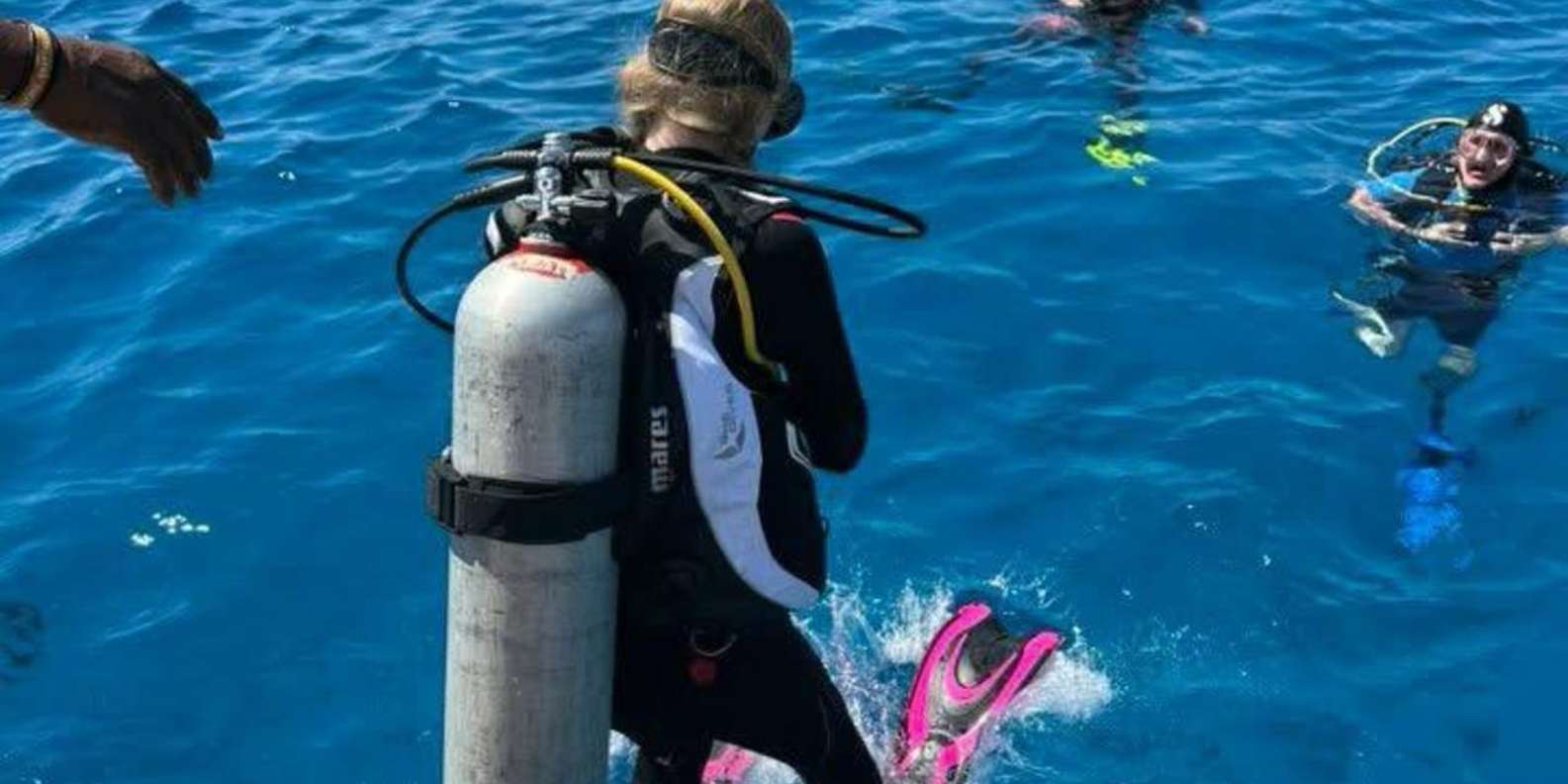
Where Each Place Wins for Different Diver Types
Beginners and newly certified divers
Sharm is typically the safer bet for a first Red Sea week because you can build a progression: easy reefs → drift basics → deeper walls → (optional) wreck day. The key operational advantage is choice density: if wind cancels one plan, substitutes are usually close.Marsa is beginner-friendly only when you deliberately design the week around sheltered bays/house reefs and skip the exposed offshore program until skills catch up. That’s a better experience than forcing Elphinstone-style profiles early.
Advanced divers and photographers
Marsa’s offshore topography tends to produce “high consequence” dives: stronger currents, blue-water ascents, and more pelagic probability. If your goal is shark behavior, this is where you invest your best gas planning and your tightest buddy protocols.Sharm is the higher ROI choice when your goal is “portfolio diversity” in 6 days: reefs, walls, shark points, and a historic wreck—often with less transfer friction.
Local Insight
- Elphinstone day planning: local captains time entries to current windows; the same site can shift from “manageable drift” to “high workload” within 60 minutes, so the briefing time is not optional. (based on operator-standard practice; Elphinstone currents and intermediate-to-advanced rating are documented) (Deep South Divers)
- Thistlegorm reality check: the dive’s value is inside the wreck—if your buoyancy isn’t stable, you’ll either miss the best sections or turn the dive into a stress test. The published max depth is 30 m, so your certification and gas planning need to match. (PADI)
- National-park days are not interchangeable: Ras Mohammed is a compact, heavily visited protected area (480 km²) while Wadi El Gemal is a massive mixed land/sea park (7,450 km²); that changes what “a day trip” can realistically include. (CBD, 2007) (GANP)
- The best “value add” to any Routri itinerary: lock in flexible cancellation and verified reviews, then pick the destination based on one primary objective (wreck vs megafauna) so your entire week supports that target.
2026 Planning Framework
The most reliable way to choose
- Choose Marsa Alam if at least 3 of these are true:
- Choose Sharm El Sheikh if at least 3 of these are true:
What to Do When You’re Not Diving
Marsa Alam add-ons
- Wadi El Gemal National Park: 7,450 km² of desert + islands + protected sea, ideal for a full reset day between offshore dives. (GANP)
- Short-format coastal activities (2–4 hours) that keep surface intervals intact: lagoon swims, easy snorkeling, desert viewpoints.
Sharm El Sheikh add-ons
- Ras Mohammed by land or boat as a mixed snorkel day inside a 480 km² protected area. (CBD, 2007)
- Evening options: Sharm is built for “dive by day, restaurants by night,” which helps mixed groups stay happy without dragging divers into long transfers.


