Routri
Routri

Language

Currency

Book online or call us

+2012 81527008

Support

  • Contact Us
  • Legal Notice
  • Privacy Policy
  • Cookie Policy
  • Terms of Service
  • Refunds & Cancellations

Company

  • About Us
  • Careers
  • Blog
  • Gift Cards
  • Sustainability

Work With Us

  • Become a Supplier
  • Affiliate Program
  • Travel Agents

We Accept

PayPal
Visa
Mastercard
American Express
Maestro

Language

Currency

Book online or call us

+2012 81527008

Support

  • Contact Us
  • Legal Notice
  • Privacy Policy
  • Cookie Policy
  • Terms of Service
  • Refunds & Cancellations

Company

  • About Us
  • Careers
  • Blog
  • Gift Cards
  • Sustainability

Work With Us

  • Become a Supplier
  • Affiliate Program
  • Travel Agents

We Accept

PayPal
Visa
Mastercard
American Express
Maestro

© 2026 Routri. All rights reserved.

  1. Home
  2. /Travel Inspiration
  3. /Marsa Alam Wreck Diving & Unde...
Snorkeling
Diving
Marine life

Marsa Alam Wreck Diving & Underwater Archaeology Guide

Beneath Marsa Alam’s turquoise waves lie shipwrecks and ancient secrets waiting to be uncovered. Explore the hidden world of underwater archaeology where history and adventure collide.

MI
Mustafa Al Ibrahim
October 06, 2025•Updated March 21, 2026•5 min read
Share on
Marsa Alam Wreck Diving & Underwater Archaeology Guide

diving experiences Into History: Marsa Alam’s Wrecks and Underwater Archaeology

Quick Summary: Off Marsa Alam, shallow and deep wrecks act as time capsules—cargo, rivets, even porcelain—turning adventure divers into careful storytellers. Expect clear water, variable currents, pro-led briefings, and strict no-touch ethics that protect fragile evidence and coral while revealing forgotten trade routes and wartime chapters.

South of Egypt’s main resort throngs, Marsa Alam meets the Red Sea destinations at a quieter, wilder edge. Here, wrecks lie like sealed letters—broken open by time—revealing routes that linked Africa, Arabia, and the Mediterranean. It’s diving experiences as detective work across the Red Sea destinations, where every rivet, crate, and chart fragment whispers how sailors lived—and how seas remember.
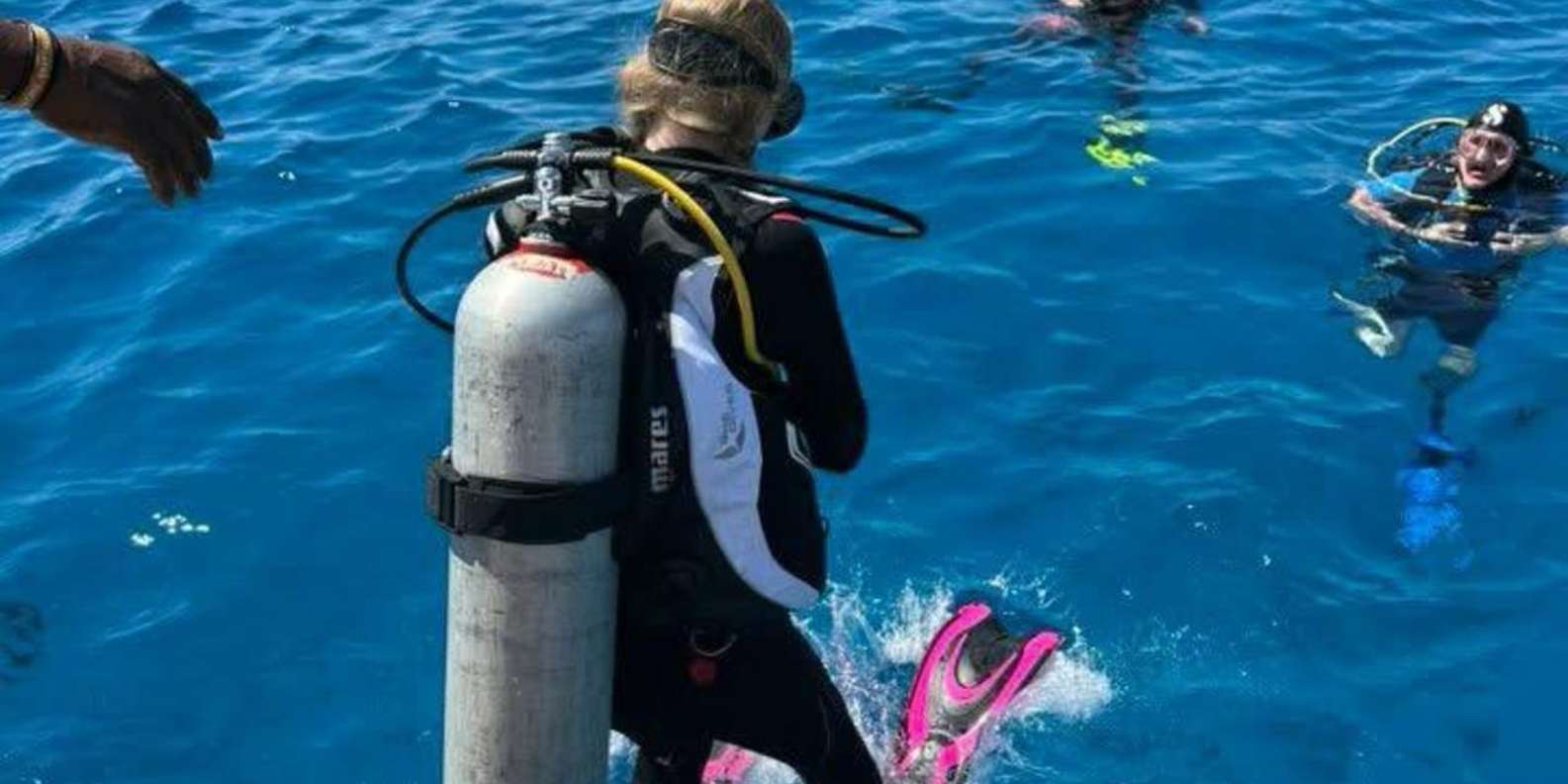
Marsa Alam: Red Sea Diving and Snorkelling Experience

What Makes This Experience Unique

Wrecks off Marsa Alam fuse adrenaline with inquiry. You drop to hulls colonized by soft corals, then read clues: cargo types, hull construction, impact scars, even maker’s plates. It’s recreational archaeology—guided observation, photography, and note-taking—creating context that museums alone can’t deliver, provided divers leave sites exactly as they found them.

Where to Do It

Start with the Hamada at Abu Ghusun: a photogenic cargo ship resting roughly 3–18 meters, perfect for snorkelers and new wreck divers. Advanced divers push offshore: Elphinstone as a staging reef, then liveaboards to the Brothers for Aida (c. 30–60 meters) and Numidia (about 10–80 meters). Zabargad adds a mysterious, coral-draped wreck around mid-depths.

Hurghada: Luxury Diving & Snorkelling inc Island/Lunch/Massage

Best Time / Conditions

May to November brings calmer seas, warmer water (about 26–30°C) and reliably excellent visibility. Winter (roughly 22–24°C) can mean brisk winds and livelier surface chop, best for confident drift and zodiac entries. Offshore walls channel stronger currents, so plan conservatively and consult our broader hurghada-sharm-destinations">guide to the Red Sea when stitching multi-stop itineraries.

What to Expect

Briefings emphasize history, orientation lines, and buoyancy discipline. Expect two to three dives daily, with nitrox favored for repetitive profiles. Depth ceilings are strict; penetration requires training and reels. Currents vary from gentle to spirited; a DSMB and torch are standard. Artifact removal is illegal—photos, sketches, and memories are your takeaways.
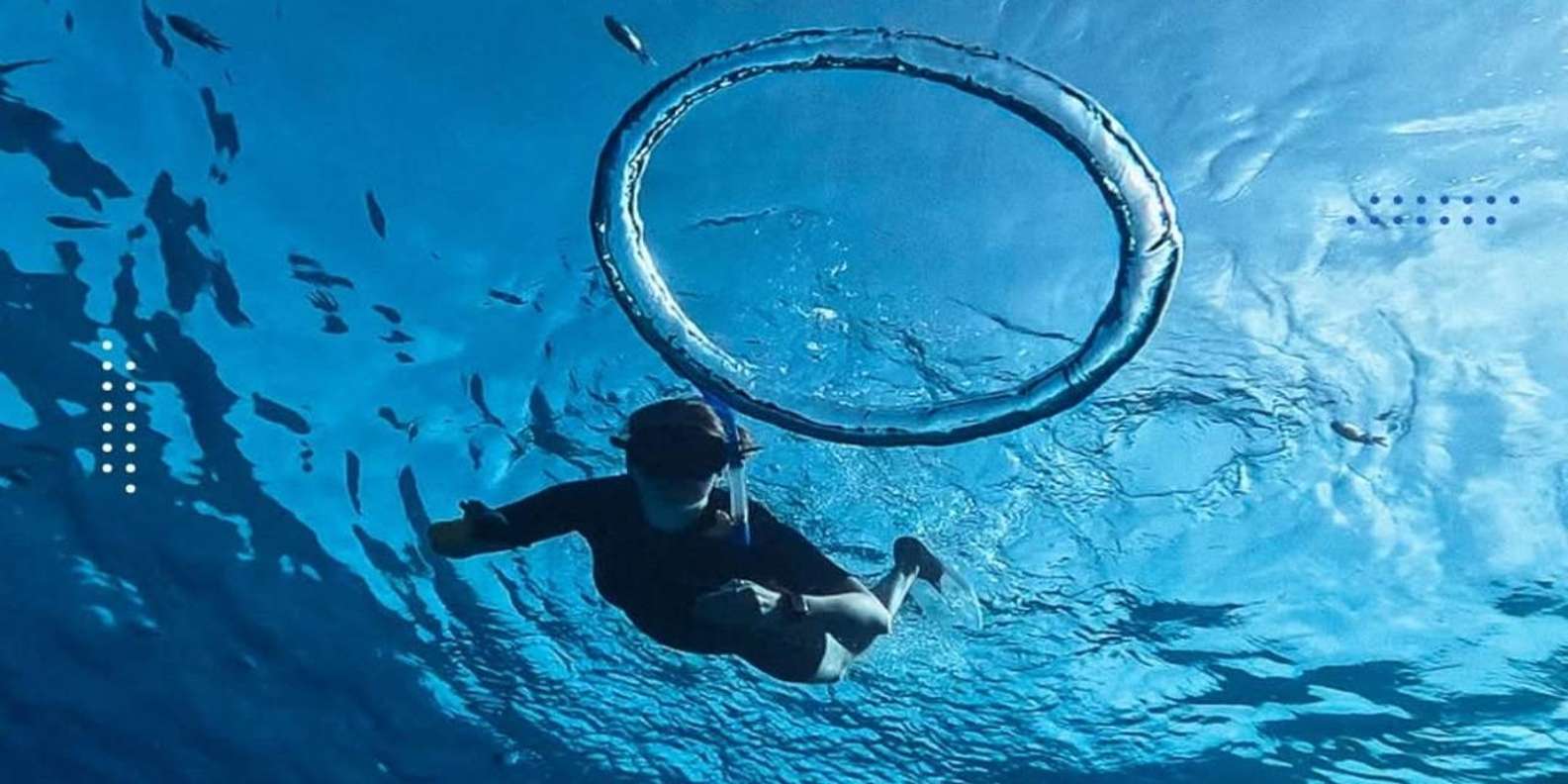
Hurghada: Snorkelling 6-in-1 to Orange Bay w Diving

Who This Is For

Great for Advanced Open Water divers keen on wrecks, underwater photographers seeking metal-and-coral contrasts, and history fans who prefer storytelling over trophy hunting. Confident snorkelers can explore Hamada’s shallows, while tech-curious divers can shadow mentors on deeper sites. Linking Hurghada or Dahab? Browse the Destinations hub to pace travel days and surface intervals wisely.

Booking & Logistics

Base in Port Ghalib or Marsa Alam town and book via reputable tours in Marsa Alam. Ask for nitrox, zodiacs, and current lines; confirm guide ratios and safety kit (oxygen, radios). Speedboats reach Elphinstone in roughly 25–30 minutes, while Abu Ghusun is about 70 kilometers south by road. Carry SMBs, reef-safe sunscreen, and proof of insurance.

Sustainable Practices

Master trim and frog kicks to avoid silt. No-touch, no-take: Egyptian law protects wrecks and reefs. Use experienced operators that moor rather than anchor, limit group size, and brief historical context. Choose reef-safe sunscreen and refillable bottles; pay park fees gladly—they fund rangers and moorings that keep these underwater archives intact.

FAQs

Wrecks here reward curiosity, not bravado. Conditions shift with weather and currents, so itineraries flex between sheltered bays and blue-water walls. Expect professional briefings, conservative profiles, and a conservation mindset. The goal is to witness authentic detail—labels, fittings, tool marks—without disturbing the fragile evidence that turns wrecks into readable histories.

Do I need to be a technical diver for these wrecks?

No for Hamada and similar shallow sites; yes or “not yet” for deeper, current-swept wrecks. The Brothers’ Aida and Numidia demand advanced experience, great gas planning, and often technical training for the deepest sections. Start shallow, log skills, then step up with mentors before attempting overheads or extended depths.

Can snorkelers experience a Marsa Alam wreck?

Yes—Hamada at Abu Ghusun sits in sunlit water with abundant fish life and coral. Snorkel at slack water with a surface guide and buoy. Wear a rash guard, use reef-safe sunscreen, and maintain a respectful distance from the structure; fins and fingers can scuff living coral and dislodge historical detail.

Which day trips pair wrecks with reefs?

Combine Abu Ghusun with the mangroves and lagoons south of Marsa Alam, or head further to Fury Shoals for reefs and swim-throughs; the Hamata coastal adventure adds easy snorkeling tours and relaxed surface time. Liveaboard routes often weave Elphinstone, Brothers, and Zabargad for a balanced week.

History here is legible, if we read gently. From Hamada’s ribs to the Brothers’ steel, every respectful dive preserves the next discovery—and the next diver’s wonder. For visual planning inspiration, browse our curated Instagrammable Red Sea destinations spots and imagine how light, metal, and coral will write your own chapter.

Part of:
Ultimate Red Sea Diving Guide 2026: Sharm, Hurghada & Beyond

Related Tours

Explore These Destinations

Destination

Marsa Alam

Discover tours and activities

Find more travel inspiration

Egypt 14-Day Itinerary: Ultimate Cairo to Red Sea Trip Plan
May 23, 2026Egypt 14-Day Itinerary: Ultimate Cairo to Red Sea Trip Plan
by Oriana Findlay
Egypt 10-Day Itinerary: Cairo, Luxor, Aswan & Red Sea 2026
May 22, 2026Egypt 10-Day Itinerary: Cairo, Luxor, Aswan & Red Sea 2026
by Oriana Findlay
Hurghada Boat Tours: Which One Is Right for You? 2026 Guide
May 21, 2026Hurghada Boat Tours: Which One Is Right for You? 2026 Guide
by Oriana Findlay

FAQs about Marsa Alam Wreck Diving & Underwater Archaeology Guide

Yes. While the Hamada’s exterior is easy, any overhead entry should be done with a Wreck specialty certification, redundant lighting, and line-handling skills. Many Marsa Alam schools run 2–3 day courses with progressive training dives, culminating in short, safe penetrations under instructor supervision.

They can. Parts of the Hamada lie in 5–8 m, clear enough for confident snorkelers on calm days. You will still receive a heritage briefing and must not touch or remove items. Consider a combined day with a beach stop and a ranger talk in Wadi El Gemal National Park to add context.

Late spring (May) and late autumn (October–November) often bring lighter winds and flatter seas, reducing chop for zodiac entries and long rides. Winter offers stellar visibility but cooler water around 23–24°C, so plan thicker exposure protection to maintain comfort and extend dive times. Southern Egypt rewards divers who slow down and listen to the metal. Pair a Hamada day with a reef classic like Elphinstone later in the week, or commit to a Brothers itinerary from Port Ghalib. When you are ready to plan, start with curated options under Snorkeling & Diving and map your base in Marsa Alam for easy access to both history and blue water.