
Oud & Simsimiyya: A Red Sea Soundtrack From Firelight to Tide
Quick Summary: The oud’s mellow resonance and the simsimiyya’s bright, percussive shimmer lead you from Bedouin campfires to starlit coastal gatherings—an intimate way to experience Red Sea culture while directly supporting artisans, hosts, and young performers who keep these living traditions strong.
As the fire softens and tea steams in tin cups, the oud hums first—warm, wood-scented, familiar. Then the simsimiyya answers, crisp and bell-like, carrying verses of journeys and tides. Nights like these, from Hurghada camps to Sharm El Sheikh marinas, are less concerts than conversations between coast and desert.
What Makes This Experience Unique
The oud’s fretless depth meets the simsimiyya’s plucked brightness—two traditions that trace caravan routes, Suez shipyards, and fishing towns. You don’t just watch; you sit close, sip sage tea, and hear local stories sung in call-and-response. Handmade instruments, small circles, and improvised verses make every performance personal and unrepeatable.
Where to Do It
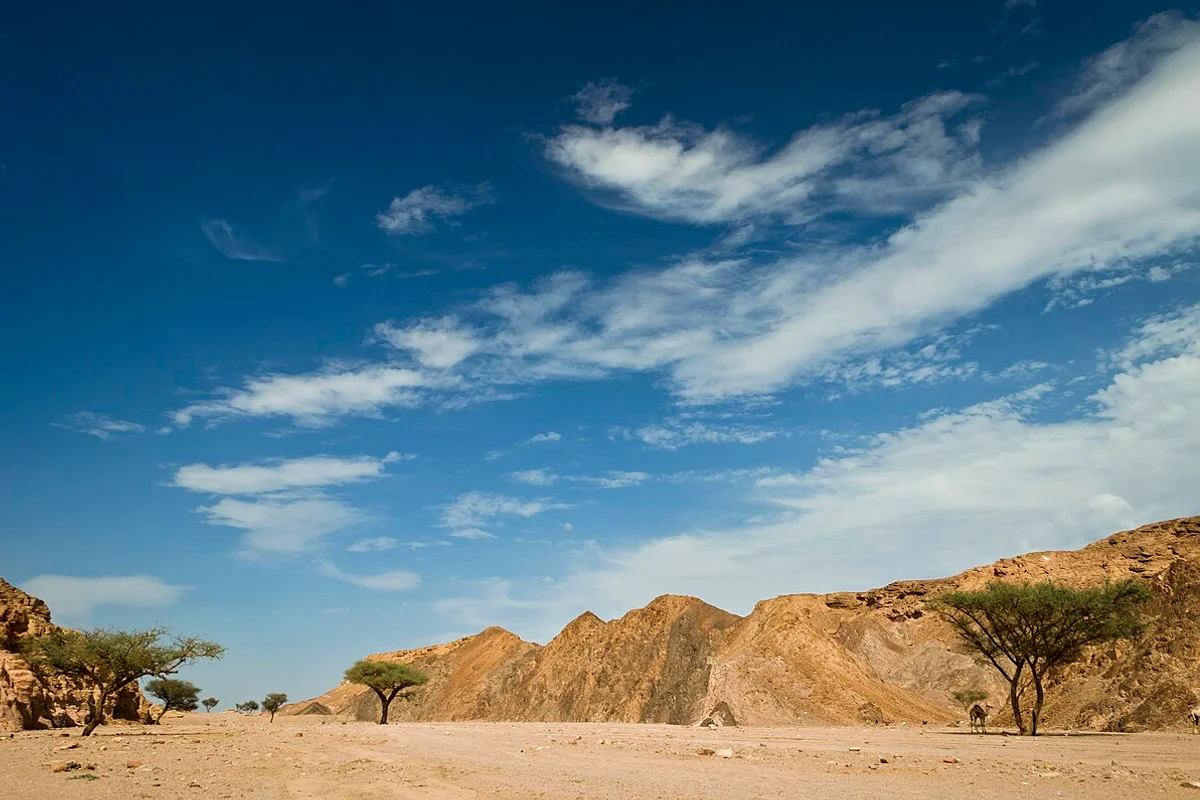
Seek Bedouin evenings in the Eastern Desert dunes north of town, or seaside sessions along old harbors and family cafés. In Sharm, boat days that pause for song—like a White Island & Ras Mohammed snorkelling boat trip—occasionally feature acoustic sets on deck. Dahab’s waterfront and El Gouna courtyards often host small, word-of-mouth gatherings.
Best Time / Conditions
Late afternoons into night are ideal: temperatures ease, winds settle, and strings stay in tune. Red Sea water averages about 22°C in winter and up to 29°C in summer, so many travelers time music nights after daytime swims—use this updated Hurghada snorkeling guide to plan water-first, music-later itineraries with gentle breezes and clear stars.

What to Expect
Expect intimacy—ten to thirty guests, floor cushions, mint or sage tea, and shared plates. Songs may be improvised for the audience. You’ll see carved, inlaid ouds and elegantly simple simsimiyyas, some strung with fishing line. In coastal towns, strolls to small stages or a Naama Bay entertainment guide can help you navigate live-music nooks without overwhelming crowds.
Who This Is For
Travelers who enjoy cultural detail over decibels; families introducing kids to live acoustic sound; photographers chasing golden-hour textures; and divers or kiters seeking a reflective counterpoint to high-energy days. If you prefer handcrafted objects, you’ll love meeting luthiers and players—many happily explain tuning, modes, and repair tricks between songs.
Booking & Logistics
Ask lodge hosts or reputable operators about Bedouin dinners with live music; drives into the dunes typically take 30–60 minutes by 4×4. In town, a Half-Day Private Hurghada City Tour can pair markets, mosques, and evening music plans. Cash tips are customary; small bills help. Bring a light layer—desert temperatures drop quickly after sunset.
Sustainable Practices
Choose community-led evenings where artists are paid fairly and the meal is locally sourced. Tip musicians directly; ask before filming. If you buy an instrument, prioritize maker-signed pieces using sustainable woods. Keep groups small, volume low, and leave no trace in dunes. Your choices help apprentices learn—and stay—within the tradition.
FAQs
New to these instruments? Here’s how to listen—and participate—respectfully without turning the night into a stage-managed show. The key is proximity and permission: sit close, ask about songs, and amplify the host’s etiquette. You’ll walk away with stories, not just photos, and a clearer sense of how music anchors local pride.
What’s the difference between an oud and a simsimiyya?
The oud is pear-shaped, fretless, and mellow—perfect for modal improvisation and lyrical depth. The simsimiyya is a light lyre from the Suez–Red Sea coast, bright and percussive, often leading call-and-response folk songs. Together they balance warmth and sparkle, evoking caravans, shipyards, fishing docks, and families gathered at dusk.
Can I attend without a tour—and how do I find nights?
Yes, though word-of-mouth rules. Ask your guesthouse, café owners, or craftspeople; many know musicians personally. In Sharm, marina boards and old town cafés share gig whispers; Dahab’s promenade posters help, too. If you want a structured day that frees your evening, boat trips or city tours streamline timing and transfers.
How far are these gatherings from resort hubs?
Desert evenings usually sit 10–25 kilometers inland—roughly 30–60 minutes by 4×4 depending on sand conditions. Coastal sets occur within walking distance of old markets or marinas. Dahab is approximately 90 kilometers north of Sharm, so plan a half-day transfer if combining snorkeling, dinner, and music in one trip.
Follow the strings wherever they lead: from a dune’s hush to a harbor’s hush-hush set. Start in Hurghada, drift to Sharm El Sheikh, and, if the sea calls, let a Ras Mohammed boat day give way to night music—an itinerary that honors craft, community, and the timeless pulse between desert and tide.


