
Private Red Sea Snorkeling: Your Reef, Your Rhythm with Red Sea Quest
Quick Summary: Book a private boat with Red Sea Quest to set your own pace, choose serene reefs, and travel with safety-first guides. Expect calm sites, warm water, 20–30 m visibility, flexible timing, and expert briefings that turn a busy Red Sea into your quiet, personal sanctuary.
At dawn, the marina is still. Your Red Sea Quest skipper idles the engine while the guide sketches out the reefs: a shallow garden first, a sheltered lagoon next, and a quiet wall if the wind behaves. No shouting decks or stopwatch schedules—just your crew, soft light, and the hush of water over coral.
What Makes This Experience Unique
Private snorkeling flips the script: you choose the mood, timing, and route. Red Sea Quest captains tailor drift direction to the breeze and visibility—often 20–30 meters—so you spend time on thriving coral, not in transit. Briefings are personal, safety ratios tight, and the pace yours, from macro hunts to long, glassy surface glides.
Where to Do It
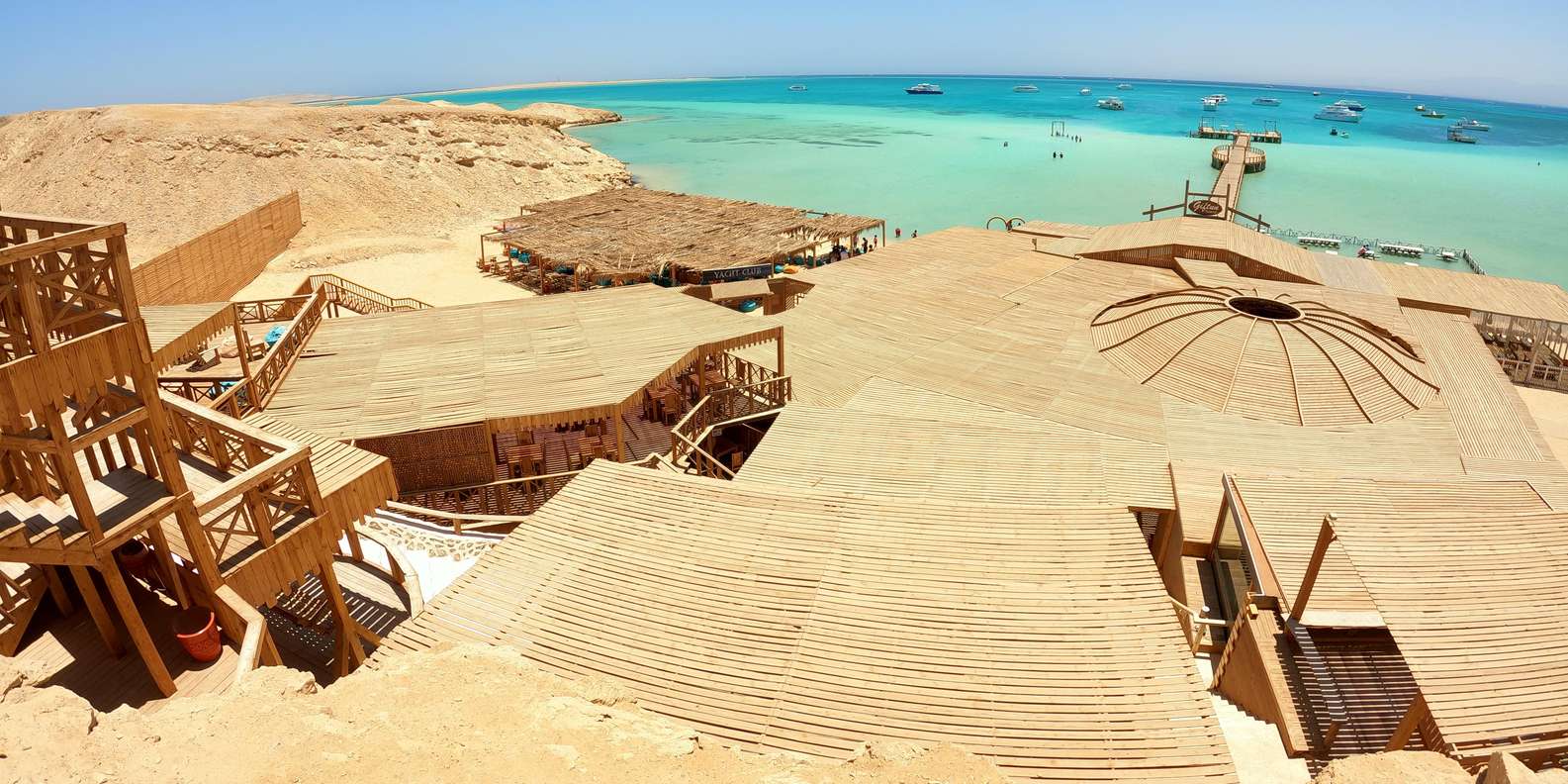
Sharm’s headlands and islands are classics, with easy access to gentle bays and dramatic walls. For planning, see the best snorkeling spots near Sharm El Sheikh for calm entries and vibrant shallows best snorkeling spots near Sharm El Sheikh. North of Hurghada, El Gouna offers quick hops to sandbar shallows and patch reefs—perfect for families and first-timers seeking short, scenic rides.
Best Time / Conditions
Water stays warm year-round, roughly 22–30°C; spring and autumn bring calmer seas and softer light. Mornings beat wind and boat traffic, and your captain times slack tides for relaxed entries. With Red Sea Quest, routes adapt to daily forecasts—often 15–45 minutes from marina to reef—to keep conditions friendly and crowd levels low.

What to Expect
Expect a tailored briefing, fit-checked gear, and a guide in the water. You’ll start on 2–8 m gardens, then step up—perhaps a protected wall or a sandbar lagoon. In Sharm, consider a curated day like Ras Mohamed & White Island for painterly shallows and fish-rich edges. Between swims, linger on deck: shade, fruit, and that Red Sea horizon.
Who This Is For
Couples seeking quiet, families needing gentle entries, photographers who crave time with subjects, and wellness travelers who prefer unhurried days. Beginners benefit from close guide ratios and shallow, forgiving sites; confident swimmers get longer drifts and challenging edges when safe. If you value presence over playlists, private is the right tempo.

Booking & Logistics
Choose a 4–8 hour charter, add a photographer or drone if desired, and share dietary notes for onboard lunches. Private speedboats make nimble hops—see this private speed boat from Hurghada for an idea of routing. Bring cash for park fees; passports or IDs are required at some marinas, and soft bags stow best on smaller decks.
Sustainable Practices
Briefings cover finning and buoyancy to avoid coral contact, and reef-safe sunscreen or full-coverage swimwear keeps chemicals out of lagoons. Follow no-touch, no-chase etiquette for turtles and dolphins; review these ethical wildlife encounters in the Red Sea for best practice. Captains rotate sites to reduce pressure, favoring sheltered moorings and drift exits over fragile patches.
FAQs
Private snorkeling leaves the megaboat behind, but practical questions remain: costs, fitness, and gear. Here’s what Red Sea Quest guests ask most. Remember, charters flex to your group’s pace and daily conditions; your guide’s job is to keep you comfortable while maximizing time on the clearest, calmest reefs available that day.
How much does a private charter cost?
Expect pricing to scale with boat size, duration, and inclusions. As a guide, half-day speedboat trips sit lower, with full-day packages adding lunch, park permits, and a photographer. Fuel surcharges can apply for far-flung reefs; transparent quotes detail all fees so you’re not watching the meter instead of the fish.
Do I need to be a strong swimmer?
No. Your guide chooses sites with gentle entries, lends a tow-float, and can add snorkel vests for confidence. Briefings cover surface kicks, clearing, and buddy signals. If currents pick up, routes pivot to lee-side coves. Families often start on a calm 2–4 m garden, then step to a slightly deeper, still-sheltered patch.
What gear is included—and can I bring my own?
Quality masks, snorkels, fins, and shorties are standard; many guests bring personal masks for fit. Red Sea Quest includes surface marker buoys, first-aid kits, communication, and spare optics. Photographers can add weight belts for duck-dives; crews provide fresh water rinse tubs so housings and lenses stay salt-free between sessions.
On a private day, quiet replaces queueing—and the reef opens up. If Sharm’s iconic bays call, pair planning with spot-by-spot local insight. Heading north of Hurghada? El Gouna makes logistics easy. For packing smart—reef-safe and culture-ready—browse this concise checklist: what to pack for Egypt’s Red Sea. Then let Red Sea Quest set the pace: soft entries, long drifts, and your kind of silence.


