Red Sea 2026: From Sunseekers to Citizen Scientists
Quick Summary: 2026 shifts the Red Sea from “fly-and-flop” to explorer mode: AI-powered reef IDs, citizen-science snorkels, slow islands, and low-impact boats make travelers co-stewards of Egypt’s fragile underwater world.
Wake early in 2026 and the Red Sea feels different. Boats brief on tablets, assigning small groups to coral “transects.” Your mask defogs, the guide opens an AI fish-ID app, and you slip into 27°C water, logging parrotfish and coral cover instead of chasing dolphins. From Hurghada to Sharm El Sheikh, the region is swapping checklist tourism for immersive stewardship—curious, careful, and tech-savvy. Even onshore, “beyond all-inclusive” is more than a motto; it’s a mindset locals have been refining.
What Makes This Experience Unique
Rather than passive sightseeing, the 2026 Red Sea invites you to become part of the ecosystem’s story. Expect AI reef recognition, simple data collection, and low-impact boats that use mooring buoys instead of anchors. Experiences are designed around curiosity and care, pairing intimate groups with guides who mentor observation skills as much as skills like finning and buoyancy.
Where to Do It
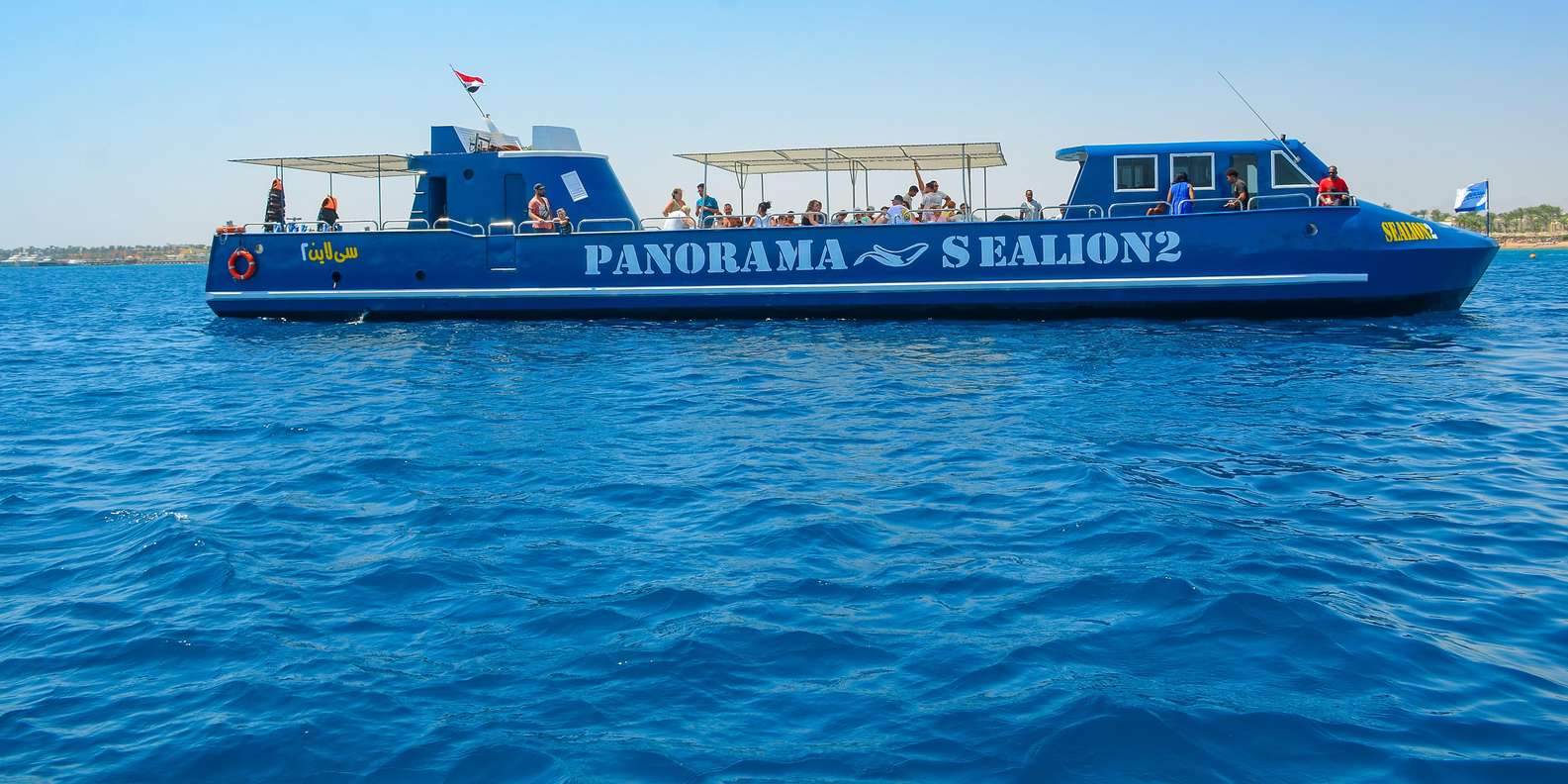
Choose hubs that balance access with restraint. Sharm’s Ras Mohamed and White Island combine stunning biodiversity with structured practices—many tours build in reef etiquette and small-group rotations on full-day boats. Hurghada and El Gouna offer sheltered reefs suited to citizen-science snorkels and beginner dives; add a culture-forward reset with a guided city tour between sea days.

Best Time / Conditions
Shoulder seasons bring prime balance: March–June and September–November deliver calmer seas and clearer visibility. Surface temperatures range roughly 22–29°C across the year; expect cooler winter thermoclines and 27–30°C summer shallows. Boats to offshore reefs typically run 45–90 minutes, with gentler conditions early morning and midweek outside school holidays.
What to Expect
Days flow slower and smarter. Briefings cover fish ID, coral health, and buoyancy checks before you enter. Shallow fringing reefs (2–10 meters) suit snorkel surveys; divers might log at 12–30 meters on relaxed profiles. In Dahab, line-based freediving is paired with conservation talks, while Marsa Alam emphasizes turtle-friendly distances on seagrass meadows.
Who This Is For
If you crave meaning with your marine magic, this is your year. Families can turn snorkels into simple science; photographers gain richer context; newbies learn the “why” behind the “wow.” Even adrenaline fans find focus in data-driven freediving. If you only want fast boats and loud music, this slow, attentive style might feel challenging.
Booking & Logistics
Look for operators with capped group sizes, mooring-buoy use, and guides trained in citizen science. Pre-book popular conservation-forward boats in Sharm and Hurghada during spring and autumn. Build slack days for wind or visibility shifts. Hurghada to El Gouna is around 25 kilometers—roughly 30–40 minutes—so split stays are easy without repacking constantly.
Sustainable Practices
Pack reef-safe sunscreen, a snug mask, and a compact SMB if diving. Favor refill stations over single-use plastic, and choose boats advertising fuel-efficient routes or electric tenders. Log sightings with your guide’s app; small, consistent data helps authorities. In Hurghada, consult this snorkeling guide to match gentle sites with responsible operators.
FAQs
The Red Sea’s 2026 reset raises new questions for travelers curious about impact and innovation. Below, we address the shift in style, whether non-divers can participate meaningfully, and what gear best supports low-impact, tech-enhanced exploration. Think of it as your quick brief before the captain’s bell and that first fin-kick.
How is Red Sea travel changing in 2026?
Operators are leaning into small-group, science-informed trips: AI fish ID on tablets, mooring buoys over anchors, and briefings that prioritize buoyancy, trim, and wildlife distance. Many itineraries add shore modules—markets, mosques, and food tours—to spread spend and pressure, turning reef time into focused windows instead of all-day crowding.
Do I need to be a diver to join conservation activities?
No. Most entry-level data comes from snorkelers and surface swimmers on shallow coral gardens and seagrass beds. Guides teach how to spot indicators like coral bleaching and turtle stress from a safe distance. Families often join split-level days: morning snorkel logs, afternoon culture visits, then a sunset lagoon paddle to rest reefs.
What gear should I bring for tech-enhanced experiences?
Bring a comfortable mask and snorkel, lightweight fins, and a rash guard; divers should add an SMB and reef hook only where permitted. Download offline fish ID references if your boat’s Wi‑Fi is spotty. A compact action camera is fine—just keep hands off coral and practice neutral buoyancy before filming or photographing.
In 2026, the Red Sea rewards travelers who move with intention—listening to currents, guides, and communities. Trade checklists for curiosity, and you’ll return with sharper eyes, lighter fin kicks, and stories that help keep this ecosystem alive for the next tide.


