
Red Sea Coral Reefs: Effortless Shore Snorkels That Feel Like Dives
Quick Summary: House reefs and sheltered bays along Egypt’s Red Sea deliver discovery‑level snorkeling just steps from shore—no tanks, minimal currents, big color. Expect 20–30 m visibility, 22–30°C water, 1–5 m reef flats beside dramatic drop‑offs, and short boat hops to sandbars and islands.
Walk a jetty, tighten your mask, and slide into water so clear it feels weightless. A few lazy fin‑kicks carry you from sunlit reef flats to a cobalt wall alive with butterflyfish, lionfish, and soft corals. The Red Sea rewards curiosity, not exertion—shore‑hugging adventures where every glance reveals new color.
What Makes This Experience Unique
Egypt’s Red Sea places world‑class coral just off the beach, turning casual swims into exploration. House‑reef jetties straighten entry and exit, currents are manageable in sheltered bays, and visibility often sits at 20–30 meters. You get “dive vibes” at snorkel depths—layered hard corals, sea fans, and schooling anthias, with turtles gliding the edge.
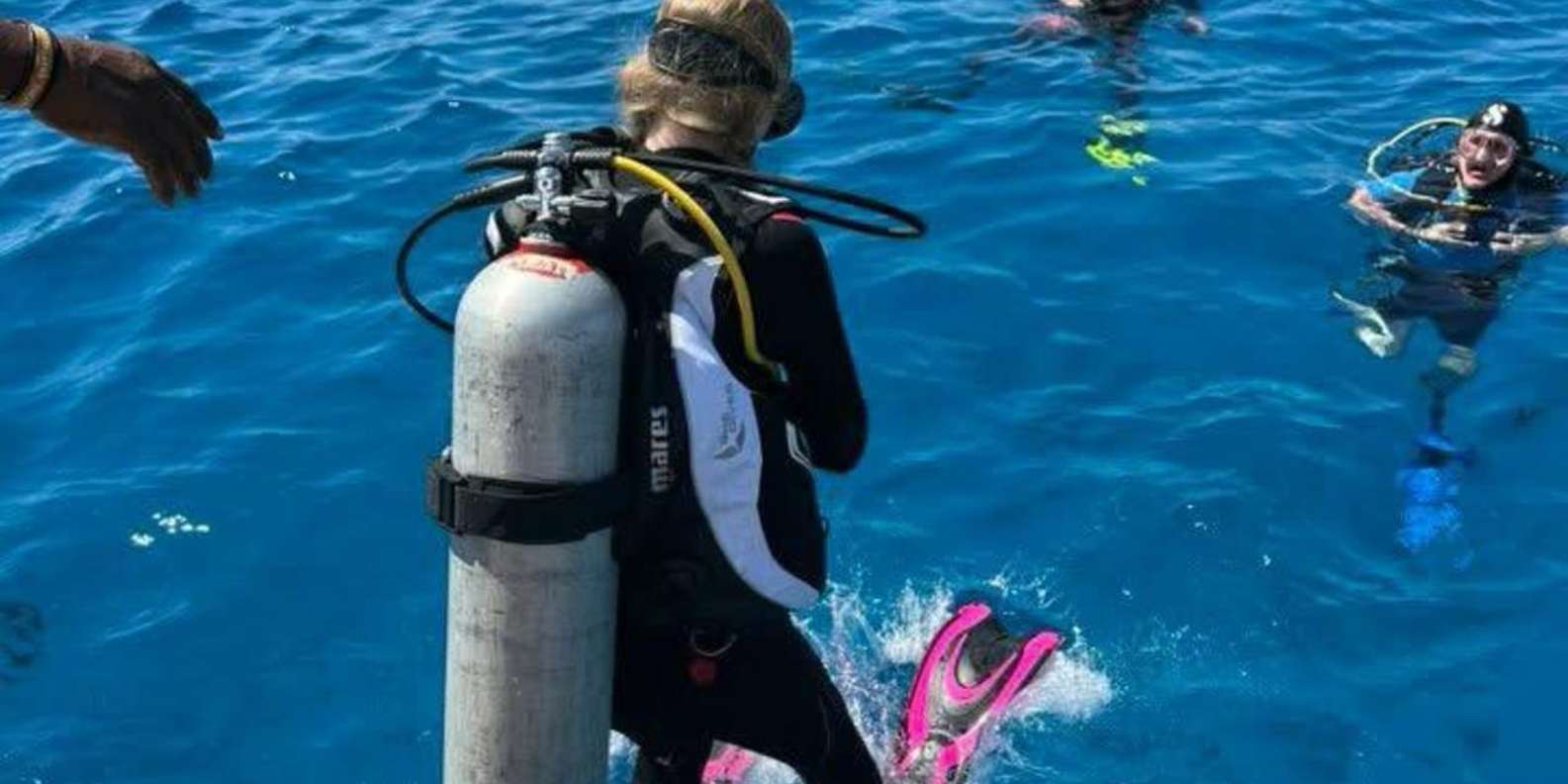
Where to Do It
South across the mainland coast, house‑reef snorkeling from Hurghada to Soma Bay is wonderfully simple: boardwalks, ladders, and quick boat hops to protected gardens. Marsa Alam adds turtle meadows and quiet coves; Dahab delivers lagoon‑calm entries with dramatic blues.
Best Time / Conditions
Snorkeling is year‑round. Expect about 22–24°C water mid‑winter and 28–30°C in summer; dawn trips and shoulder seasons (March–June, September–November) bring calmer seas and softer light. Mornings typically offer the least wind and clearest surface. Plan leeward reefs on breezier days, and save exposed headlands for settled conditions.

What to Expect
In Sharm, compare mellow ledges and headland drama at your resort’s house reef: the first few meters are often a bright, shallow terrace (1–3 m) where parrotfish graze and sergeant majors hover. Follow the reef edge slowly and you’ll see the bottom fall away into deeper blue, with coral heads stepping down like shelves.
Most shore snorkels start from a jetty or a sandy channel cut through coral. Guides typically brief you on the “no‑touch zone,” point out the safest entry/exit ladders, and explain how to drift with light current rather than fight it. Expect 45–90 minutes in the water depending on temperature and your comfort, with plenty of time to pause, float, and watch the reef work.
Look closely on the reef flat for camouflaged scorpionfish and the quick flash of a blue‑spotted stingray in the sand. Along the drop‑off, keep your eyes on the mid‑water for squid, batfish, and occasional eagle rays cruising past the ledge. If you’re photographing, morning sun tends to light the shallows best; by midday, shooting along the wall works well as light angles down.
Who This Is For
First‑timers, families, relaxed photographers, and confident swimmers who prefer long surface time to tanks. Jetty entries and shallow ledges suit cautious snorkelers; lagoons and sandbars keep children comfortable. Macro lovers find blennies and nudibranchs on bommies, while big‑blue fans spot turtles, squid, and the occasional reef shark cruising the drop‑off.

Booking & Logistics
Pick resorts with a jetty on a living house reef and a guide desk offering small‑group sessions. Early departures beat wind and crowds; bring a snug mask, short fins, and a 1–3 mm suit or rash guard. Transfers are straightforward: Hurghada airport to Soma Bay is about 45–60 minutes; Sharm to Dahab takes roughly one hour by road.
Sustainable Practices
Red Sea corals are close to shore, which makes them easy to enjoy—and easy to damage. Keep your fins up over shallow reef flats (often 1–2 m deep), and use slow frog kicks rather than fast fluttering near the bottom. If you need a rest, float on your back or move to a sandy patch; standing on coral breaks living structures that can take decades to rebuild.
Choose reef-safe habits that reduce stress on marine life. Apply sunscreen well before entering the sea so it bonds to skin, and wear a rash guard or suit for sun protection instead of constantly reapplying lotion. Keep a respectful distance from turtles and rays, never block their path to the surface, and avoid chasing dolphins—quiet, parallel swimming leads to calmer behavior and shorter “flight” responses.
Support operators and resorts that manage access thoughtfully. Look for clear briefings, buoyed swim zones, and staff who discourage fish feeding and touching wildlife. If you use a guide, ask them to point out sandy entry channels and to plan routes that avoid shallow bottlenecks at low tide—small decisions that collectively protect the house reef that keeps the shoreline healthy and colorful.
FAQs
These reefs are designed by nature for easy joy: short swims, constant color, and straightforward exits. To make the most of them, plan mornings, skim the leeward side on breezy days, and bring simple kit that fits well. Below, we answer the most common questions travelers ask us today.
Do I need to be a strong swimmer?
Not necessarily. Many house reefs have jetties, ladders, and sheltered water, so you can float along the edge without battling chop. A shorty wetsuit adds buoyancy and warmth. Consider a guided first session; good guides set a gentle pace, watch currents, and pick leeward routes tailored to your confidence.
What temperatures and visibility should I expect?
Visibility often sits at 20–30 meters, especially in the morning before wind ruffles the surface. Winter sea temperatures average 22–24°C; summer climbs to 28–30°C. If you chill easily, bring a 2–3 mm suit for long sessions, or use a rash guard and hooded vest in shoulder seasons.
Where are the best chances to see turtles and dolphins?
Seagrass bays around Marsa Alam host grazing green turtles; you’ll also meet hawksbills on coral ledges. Dolphins are more hit‑and‑miss—watch for them on early boat routes and sandbar drifts. Keep distance, stay parallel, and never chase; passive, sideways approaches lead to longer, calmer encounters for everyone.


