
Red Sea Through the Lens: Reefs, Sunsets, and Living History
Quick Summary: The Red Sea rewards patient photographers with glassy visibility, cinematic sunsets, and story-rich encounters—from coral gardens and wrecks to Bedouin coastlines. Time your light, respect the reef, and build a portfolio that spans underwater action, cultural detail, and desert-meets-sea horizons.
Even before you touch the water, the Red Sea frames your shot: lines of mountains receding into haze, wave-polished reefs tracing fluorescent borders, and dhows cutting paths through copper dusk. Below the surface, visibility often stretches 20–30 meters, and every minute of patience reveals new color, behavior, and narratives worth composing.
What Makes This Experience Unique
Nowhere else combines easy entry to world-class reefs with such forgiving light and layered human history. You can photograph schooling anthias over coral buttresses, then turn to Bedouin tea fires and mosque silhouettes after sunset. With shore-access sites and calm bays, both beginners and pros can capture publishable work within a single day.

Where to Do It
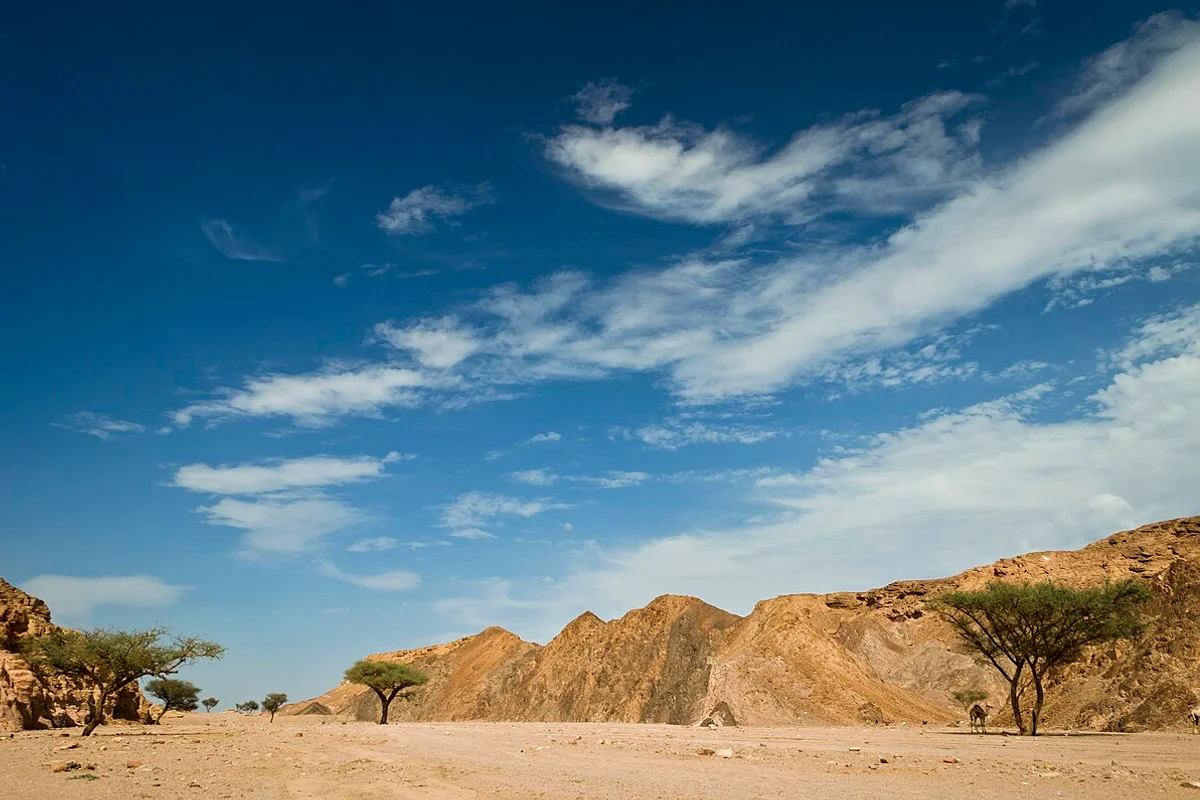
Base on the Sinai for variety: beach-calm bays around Sharm El Sheikh lead quickly to the living walls of Ras Mohammed National Park. North, artistic souls gravitate to Dahab, where shore entries and minimalism reign—especially at the iconic Blue Hole. On mainland coasts, broad marinas and sandbars add golden-hour drama.
Best Time / Conditions
Expect year-round shooting with seasonal tweaks. Winter brings pastel light and 22–24°C water; summer warms to roughly 28–29°C with later, punchier sunsets. Mornings are glassier for underwater macro; afternoons deliver texture topside. Typical underwater visibility ranges 20–40 meters, dropping slightly after wind or rare dust events—pack a dome and lens cloth.
What to Expect
Boat rides from Sharm to prime reefs can be 45–90 minutes; shore sites near Dahab start a few fin-kicks from pebbled entries. Snorkel scenes unfold at 2–8 meters, while photogenic reef slopes continue well past 18 meters. Study fish routines and shoot in bursts. For more framing ideas, browse our underwater photography spots guide.
Who This Is For
If you love crafting narrative sequences—wide establishing frames, behavior-driven action, and intimate cultural detail—this coast fits. Phone shooters can work reflections, silhouettes, and shallow reefs; housing owners can chase macro and schools; freedivers can sculpt lines and negative space. Travelers who enjoy patience, respectful proximity, and natural light will thrive here.
Booking & Logistics
Choose small-group or private boats for flexible stops and calmer decks for shooting. Confirm camera rinse tanks, shaded workspaces, and power. Some wreck or remote routes demand early starts and long transits; plan batteries and dry bags. Drone use requires permits—don’t fly without authorization. Pack reef-safe sunscreen, clip lanyards, and microfiber towels.
Sustainable Practices
Let the reef live in your frame by keeping hands, fins, and gear off corals. Maintain neutral buoyancy; never chase turtles or dolphins. Use red lights for night macro and avoid blinding bursts on shy species. Choose operators who brief on moorings over anchors and who follow no-touch codes; your portfolio—and the reef—look better for it.
FAQs
The Red Sea feels effortless to photograph, yet the best images come from intention. Below are practical answers to common questions we hear from shooters planning a first trip: certifications, lenses and settings, and how to balance ambition with reef-safe behavior so your stories don’t cost the places that inspire them.
Do I need a dive certification to shoot underwater here?
No—snorkelers can make stunning frames above 2–6 meters where light and color pop. Certifications expand options: guided dives at easy sites begin around 6–12 meters, while advanced profiles and wreck penetrations require training. Always match conditions, currents, and your experience; great images come from comfort first, depth second.
What lenses and settings work best in clear Red Sea water?
Think wide and close. A 16–35 mm (or wet wide on compacts) keeps water path short and colors saturated; add strobes only when your buoyancy is rock-solid. Start around 1/160–1/250, f/8–f/11, ISO 200–400; nudge shutter faster for schooling fish. For macro, stabilize, use focus lights, and let behavior lead timing.
How do I photograph responsibly without harming reefs or wildlife?
Adopt a no-touch rule, tuck gauges and clips, and practice trim away from coral first. Limit strobe hits on shy subjects; give turtles, rays, and dolphins wide arcs and let them approach you. On land, ask before portraits, share images when appropriate, and avoid geotagging fragile sites vulnerable to crowds.
In the end, this coastline rewards the patient storyteller: coral cathedrals, shore tea with sea-salted breezes, and wreck tales that tug at history. When you’re ready to map deeper narratives, study Iconic Red Sea dives like the Thistlegorm—its deck sits near 18 meters, a reminder that craft and care can turn travel into legacy.


