
Beginner’s Red Sea Snorkeling: Gentle Reefs, Big Wonder
Quick Summary: Warm seas, steady visibility, and shallow fringing reefs make Egypt’s Red Sea ideal for a first snorkel. Ras Mohammed, Tiran Island, and Hurghada offer easy entries, short boat rides, and coral gardens alive with color—turning nerves into pure, weightless wonder.
What Makes This Experience Unique
The Red Sea rewards beginners like few places on earth: 20–40 m visibility, stable salinity, and fringing reefs that start in two to six meters of water. Shallow coral gardens mean color without depth, and protected bays keep surface chop low. With modern mooring buoys and clear entry points, you learn skills gently, not against the elements.

Where to Do It
Hurghada & the Giftun Islands (including around El Gouna): For many first-timers, the easiest “yes” is a day boat from Hurghada to the Giftun area, where sandy shallows sit right beside coral patches. Guides often pick leeward stops to keep the surface calm, and you’ll see beginner-friendly reef fish quickly—sergeant majors, butterflyfish, and clouds of anthias hovering over hard coral heads.
Makadi Bay, Sahl Hasheesh, and Soma Bay: These resort zones south of Hurghada are known for accessible house reefs and sheltered lagoons where you can practice breathing and finning before heading out over coral. Entries are often from a jetty (so you avoid walking on coral), and the reef typically begins a short swim from shore, with sandy corridors that make navigation simple.
Safaga: Safaga’s shoreline and offshore reefs are often chosen when wind makes other areas choppy. Look for trips that include protected bays or sandy-bottom reefs where you can hover comfortably while watching goatfish and wrasse work the bottom. The vibe here is quieter, with fewer boats than central Hurghada on many days.
Marsa Alam: If you’re happy to snorkel from shore, Marsa Alam has calm bays where turtles and dugongs are sometimes seen—especially in wide seagrass areas—though sightings are never guaranteed. Choose guided snorkeling in well-defined lagoons, where the entry and exit are straightforward and the reef edge is clearly marked by a drop from sand to coral.
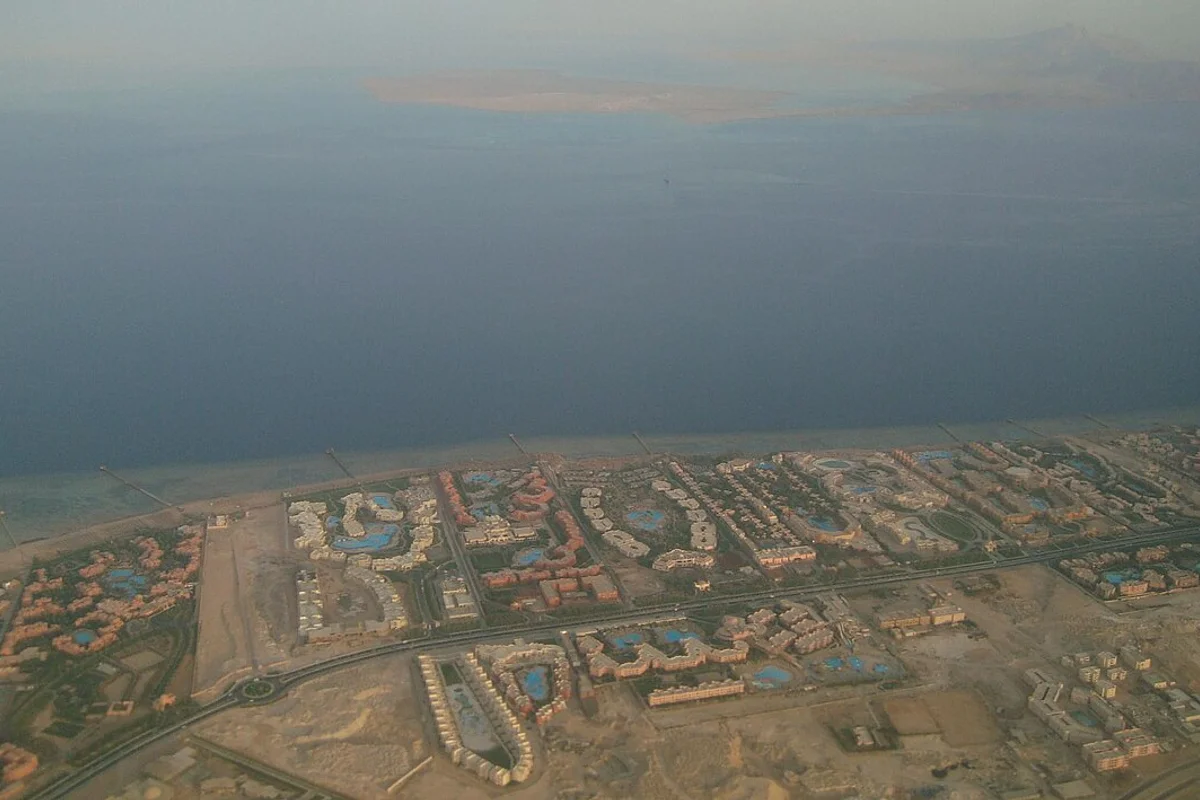
Sharm El Sheikh (Ras Mohammed) & Dahab: Ras Mohammed National Park can be beginner-friendly when the itinerary focuses on sheltered inlets and shallow coral gardens rather than exposed points. Dahab is also a strong option for guided shore snorkeling on calm days, with easy check-in spots and clear briefings; conditions vary by site, so beginners should stick to protected entries and follow the guide’s surface route closely.
On Routri, you’ll see these areas offered as relaxed day boats, resort-area snorkeling, and guided shore sessions. If you’re deciding between regions, pick the one with the shortest transfers from your hotel—less travel time usually means more relaxed water time, which matters on a first outing.
Best Time / Conditions
For beginners, the best conditions are simple: warm water, light wind, and good visibility. In the Red Sea, late spring through early summer often brings comfortable water temperatures (commonly around the low-to-mid 20s °C) and long daylight, which helps you see reef detail even in shallow water. It’s a sweet spot before peak summer crowds in some resorts.
Summer is warmest—water commonly reaches the high 20s °C—so you can snorkel in a rash guard or thin suit. The trade-off is heat on the boat and stronger midday sun, so plan shade breaks and hydrate. Morning departures can feel easiest: the sea surface is often calmer early, and the light angle is great for spotting fish over sandy patches.
Autumn is another excellent window for first-timers because the sea stays warm after summer, and many days are glassy in sheltered bays. Visibility is often strong, and the water feels forgiving if you’re practicing mask skills or learning to relax your breathing.
Winter can still be very good, especially in protected areas around Hurghada, Makadi Bay, and Soma Bay, but water temperatures typically drop into the low 20s °C or slightly below depending on the month. Beginners usually enjoy winter more with a wetsuit, and guides will pick sheltered sites if wind picks up. If you’re sensitive to cool water, prioritize midday sessions when the air is warmest.
What to Expect
A beginner-friendly Red Sea snorkel day usually starts with a short briefing on land or on the boat: how to fit the mask (no hair under the skirt), how to breathe through the snorkel slowly, and how to clear a little water with a gentle exhale. Guides will also explain the surface route, entry/exit points, and hand signals, then match the day’s sites to wind direction so you’re not fighting chop.
Most first entries are designed to feel controlled. From shore, you’ll often enter from sand in waist-deep water or from a jetty that drops you into a sandy channel. From a boat, you’ll usually step in near a mooring line and stay within a marked area, with ladders ready for quick exits. Expect your guide to keep the group close and to offer flotation aids—life rings, noodles, or buoyant vests—especially during the first 10 minutes.
Once you settle into a steady rhythm, the reef comes to you. In shallow coral gardens, you’ll spot parrotfish grazing, blue-spotted stingrays resting on sand, and territorial damselfish guarding little algae patches. You’ll often hear the reef before you “understand” it—the crunch of parrotfish and the faint snap of shrimp—while sunlight ripples across table corals and brain corals in two to five meters of water.
Beginners also tend to love the practical pace: 30–45 minutes in the water, a rest, then another stop. Between swims, crew will help with fin straps, adjust masks, and point out fish IDs. If your mask fogs, the fix is quick: rinse, refit, relax—no need to push through discomfort.
Who This Is For
First timers, cautious swimmers, families, and photographers who prefer color over depth. If you’re comfortable floating and can swim a short distance, you’re ready. Guides use flotation aids and surface watch to keep the group moving together. Even confident divers enjoy “easy days” here—shallow light makes fish portraits sing without strobes or training.

Booking & Logistics
Most beginner snorkel experiences around Hurghada, El Gouna, Makadi Bay, Sahl Hasheesh, Soma Bay, and Safaga run as day trips with hotel pickup depending on your location. Sharm El Sheikh and Dahab offer a mix of boat days and guided shore snorkeling, while Marsa Alam often emphasizes calm bays and guided entries. When you book, look for wording like “beginner-friendly,” “shallow reef,” “protected bay,” or “house reef/lagoon,” which signals easier conditions.
Inclusions vary, but many trips provide mask, snorkel, and fins, plus lunch and soft drinks on boat days. Wetsuits are commonly available in cooler months; if you get cold easily, request one in advance through your booking notes. If you’re traveling with kids, confirm minimum age policies and whether child-sized fins and masks are available—fit matters more than brand on a first day.
Bring a rash guard, a towel, and a dry bag for phone and sunscreen. If you’re prone to motion sickness, take your usual remedy early and choose a larger boat when possible; short rides to nearshore reefs can also help. For comfort and safety, skip heavy breakfast right before boarding, but do eat something light—snorkeling is more tiring than it looks when you’re learning.
On the water, the single best “logistics” tip is to treat the guide briefing like a checklist. Confirm where you’ll re-board (ladder location), what to do if you get tired (signal and hold the float), and the boundary you shouldn’t cross (often a buoy line or a reef edge). Those three points keep beginners relaxed, which makes everything—from breathing to buoyancy—work better.
Sustainable Practices
Wear a long-sleeve rash guard and reef-safe sunscreen to protect corals and yourself. Float horizontal, maintain two meters’ clearance from coral heads, and never stand on the reef. Follow your guide’s surface route, use moorings instead of anchors, and keep wildlife wild—no chasing turtles or dolphins, ever. Pack out plastic and refill bottles onboard.
FAQs
New snorkelers often worry about currents and depth; these beginner sites are chosen for shelter and clear exits. Expect to start in waist- to chest-deep water or off a moored boat with ladders. Guides demonstrate mask clearing before you enter and keep the group tight, using life rings for rests between short swims.
How long are the beginner-friendly boat trips?
Most Red Sea snorkeling cruises run six to eight hours door-to-door, with 30–90 minutes cruising each way depending on the site. You’ll usually make two or three snorkel stops of 30–45 minutes each, plus an unhurried lunch and a sun-bathing break in a calm lagoon or sandbar zone.
Do I need to bring my own gear?
No—quality masks, snorkels, and fins are typically included, with wetsuits available seasonally. If you wear prescription lenses, consider a prescription mask or low-profile insert. A snug rash guard prevents sunburn and jellyfish stings. Bring a drybag, a towel, and biodegradable sunscreen; leave valuables at your hotel or in a boat locker.
Is snorkeling safe if I’m not a strong swimmer?
Yes—choose calm, moored sites and small groups. Your guide carries floatation aids and will encourage relaxed, horizontal floating; many guests wear shorty wetsuits for buoyancy. Stay inside the guide’s surface line, breathe slowly through your snorkel, and signal early if you need a rest or prefer to stay near the ladder.
Begin with gentleness and you’ll end with awe. In the Red Sea, shallow coral gardens, clear light, and patient guides turn first dips into lifelong habits—whether you start off Hurghada’s islands, drift past Ras Mohammed’s plateaus, or hover over Tiran’s reef rims. The calmest seas often lead to the brightest memories.


