
Choose Your Window to the Red Sea: Semi‑Submarine vs Snorkeling for First‑Timers
Quick Summary: Prefer dry, panoramic comfort? Pick a semi‑submarine. Crave closeness and the joy of finning? Go snorkeling. Both reveal Egypt’s Red Sea; your choice comes down to comfort with water, mobility, crew needs, and appetite for immersion.
Sunlight shimmers across coral fans, a kaleidoscope of parrotfish flashes past—and you’re faced with the most beginner‑friendly dilemma on the coast: admire it all through a cool glass cabin, or pull on a mask and slip into the water yourself. Here’s how to pick your perfect first Red Sea window.
What Makes This Experience Unique
Semi‑submarines place you in an air‑conditioned cabin a few meters below the surface, turning the reef into a moving cinema—zero splash, all spectacle. Snorkeling trades glass for goggle: you taste the salt, hear your breath, and feel currents while drifting above coral gardens. Both reveal the same wildlife, felt at different distances.

Where to Do It
Classic semi‑sub and snorkel pairings depart year‑round from major marinas. For lively reefs and easy boat access, base yourself in Sharm El Sheikh. Shore‑friendly learners love Dahab’s shallows. Boat days to Ras Mohammed and White Island deliver wow‑factor snorkeling (full‑day cruise). Prefer dry views? The Hurghada Semi‑Submarine & Snorkeling tour blends both in one outing.
Best Time / Conditions
Morning departures typically bring calmer seas and clearer light. Expect visibility of roughly 20–40 meters on good days, with sea temperatures around 22–24°C in winter and 27–29°C in summer. Semi‑subs run happily in breezier conditions; for snorkeling, pick low‑wind days and protected reefs if you’re nervous about chop.

What to Expect
On a semi‑sub, you’ll descend to a glass‑walled cabin about 4–6 meters below the surface for a 60–90‑minute cruise past coral towers and reef fish. Snorkel trips include brief fittings, a safety talk, and two to three water sessions of 30–45 minutes each, with guides assisting entries and buoyancy on float lines.
Who This Is For
Semi‑subs shine for families with toddlers, multi‑generational groups, and anyone who prefers shade, seats, and photo‑friendly stability. If you want freedom to fin above coral, feel utterly present, and don’t mind getting salty, snorkeling wins. Anxious swimmers can combine both: watch first, then try a shallow, guided mask‑and‑snorkel session.
Booking & Logistics
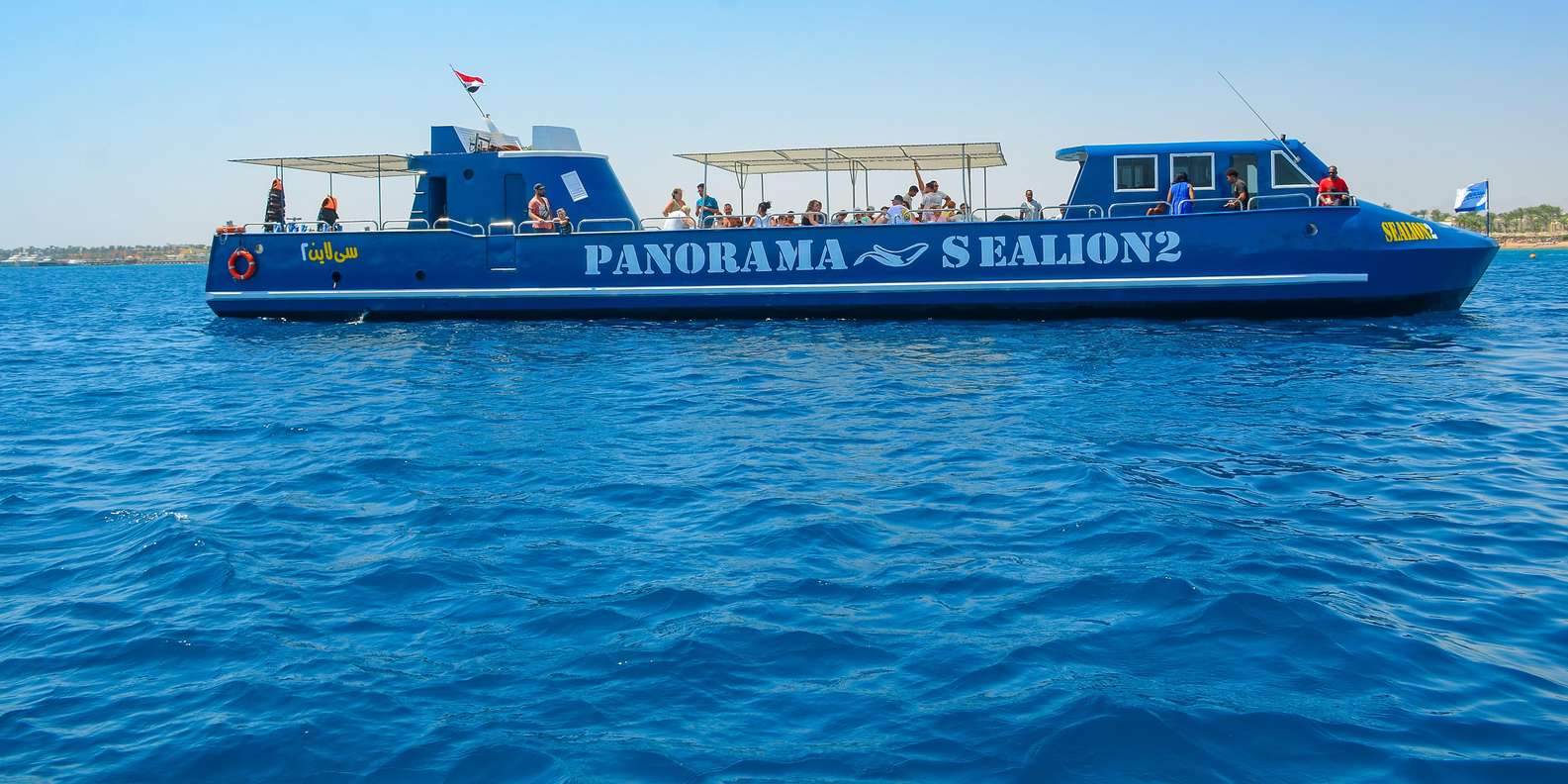
Plan 2–3 hours dock‑to‑dock for semi‑subs and 6–8 hours for full snorkel boat days. Hotel pickups usually take 15–45 minutes depending on resort zones. Look for operators with lifeguards, clear safety briefings, and mooring‑buoy use. For comparisons and operator tips, see our Semi‑Submarine Tours guide and this beginner‑focused Hurghada Snorkeling guide.
Sustainable Practices
Choose boats that anchor on mooring buoys and brief guests on “no touch, no take, no feed.” Wear a long‑sleeve rash guard and reef‑safe sunscreen to reduce chemical load. Snorkelers: practice calm kicks, keep fins up and away from coral, control buoyancy with a vest, and give turtles and rays at least three body lengths.
FAQs
New to Egypt’s Red Sea? These quick answers help you match comfort and curiosity to the right platform. Think about mobility, heat tolerance, sea confidence, and how close you want to get to wildlife. Remember, you can always start dry, then add a gentle snorkel session once nerves settle and conditions are calm.
Is a semi‑submarine the better choice if I can’t swim?
Yes. Semi‑subs are fully dry, shaded, and seated, so non‑swimmers and motion‑sensitive travelers get stable views without ladders or splashes. Cabins sit a few meters below the surface, so you’ll watch the same coral scenery snorkelers enjoy—just through panoramic glass, with air‑conditioning and staff on hand throughout.
Will I see more marine life by snorkeling than from a semi‑sub?
Not necessarily more—just closer. Semi‑subs glide past the reef wall at set depths, often with excellent visibility. Snorkeling lets you pause over a cleaning station or follow a turtle (at distance), but wildlife is never guaranteed. Both excel on healthy mooring sites; clear days elevate either experience dramatically.
What should beginners bring or wear?
Pack a rash guard, hat, polarized sunglasses, and water. For snorkeling, well‑fitting mask and snorkel are worth it, plus a compact inflatable snorkel vest if you’re new. Avoid greasy sunscreens before masking—they cause fogging. For semi‑subs, bring a light layer; cabins can feel cool compared with deck temperatures.
However you meet the reef—through glass or a mask—the Red Sea rewards curiosity and care. Start comfortably, build confidence, and you may find the semi‑sub’s preview becomes tomorrow’s snorkel. Either way, your first window into Egypt’s underwater world will likely spark a lifelong pull to return.


