
Red Sea snorkeling tours: Emblematic Marine Life You’ll Remember Forever
Quick Summary: Glide over coral gardens alive with parrotfish, butterflyfish, and clownfish. Keep watch for grazing sea turtles, bluespotted rays, and shy reef sharks. Go early, choose leeward reefs, and follow no-touch, reef-safe habits so your encounter helps—rather than harms—this fragile world.
Slip into gin-clear water and the reef wakes up: parrotfish crunch coral, a clownfish peeks from its anemone, and a bluespotted ray flicks sand into a puff of glitter. This is the Red Sea at snorkel depth—vivid, wild, and wonderfully close—where a careful swimmer can turn every outing into a story.

What Makes This Experience Unique
Few seas offer Red Sea clarity and proximity. Coral gardens begin in two to four meters, so even first-time snorkelers meet the action. Expect anthias clouds, masked butterflyfish, and neon wrasses; with luck, a hawksbill turtle or a sleek whitetip reef shark cruises by. Visibility often reaches 20–30 meters, so every glance becomes a postcard.
Where to Do It
Hurghada’s Giftun reefs and sandbars make easy, colorful introductions; start with this practical Hurghadasnorkeling tours guide for 2026–2026 updates and calm-water spots. In Sharm El Sheikh, Ras Mohammed and nearshore reefs deliver dramatic drop-offs and schooling life—see the area’s best sites here. For turtles, take a private snorkeling tours tour at Ras Mohammedor swim with sea turtles in Abu Dabbab, Marsa Alam.
Best Time / Conditions
Go early: morning seas are calmer, wildlife more active, and boat moorings less crowded. Shoulder seasons—late March to June and September to November—pair warm 24–29°C water with steady visibility. On windy days, choose leeward bays and house reefs; skippers often shift to protected sites, keeping snorkel depths friendly at 2–12 meters.
What to Expect
Over coral heads, look for masked and raccoon butterflyfish, Picasso triggerfish, and flashing parrotfish. In sandy fringes, bluespotted ribbontail rays nap while goatfish sift for snacks. Seagrass meadows host green turtles—and occasionally dugong. Along drop-offs, blacktip and whitetip reef sharks may glide beneath you. Depth stays shallow, yet the cast is world-class.
Who This Is For
Confident swimmers will love mellow drifts over coral gardens; families can start in waist-deep lagoons, graduating to guided boat moorings. Photographers score big with natural light in five meters or less. Adrenaline seekers can fin along Ras Mohammed’s walls. If you’re nervous, choose a guided small-group trip with a surface buoy and patient briefing.
Booking & Logistics
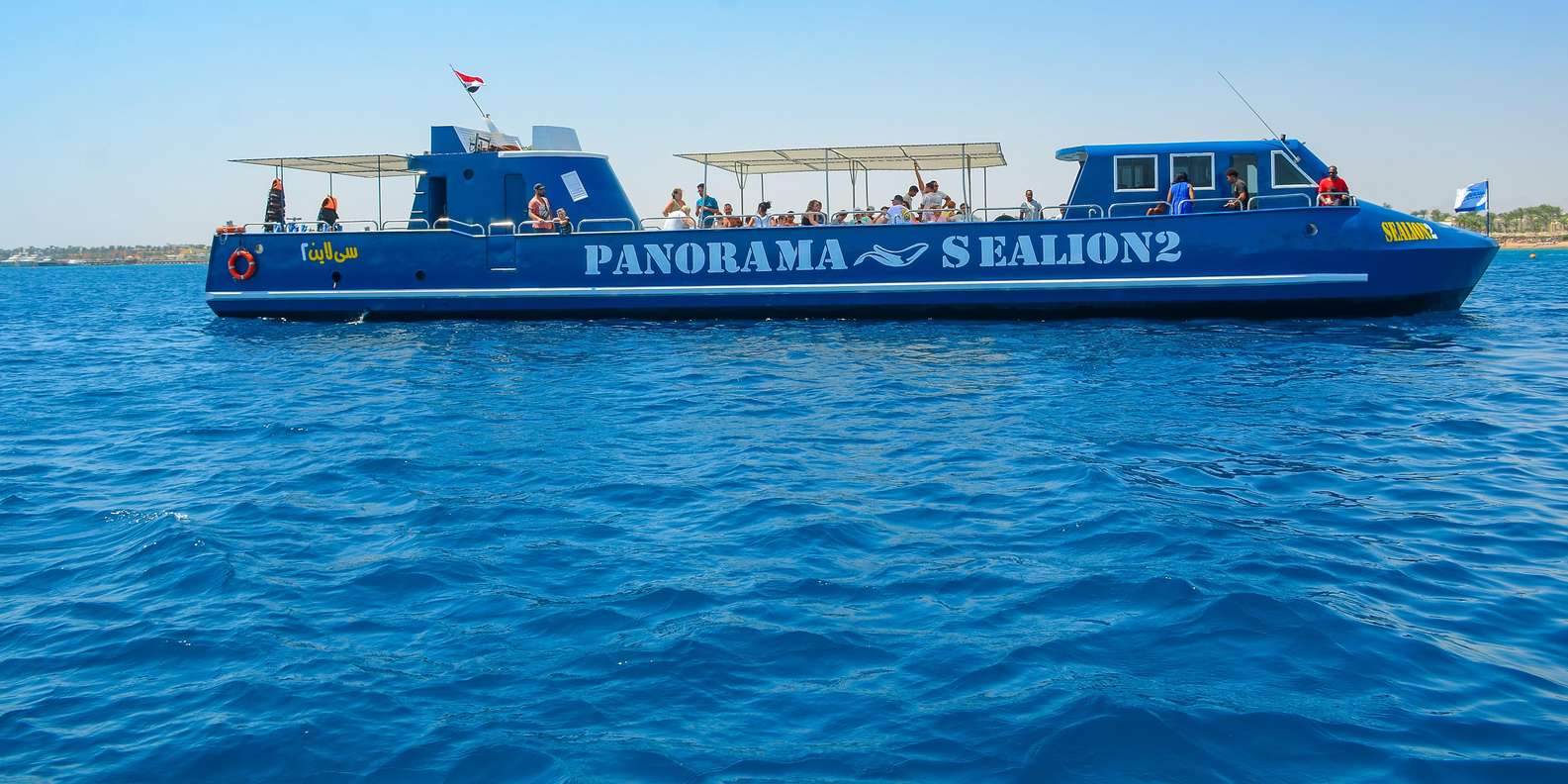
Day boats typically include hotel pickup, safety briefings, and two guided sessions of 30–45 minutes over 5–12 m reefs. From Hurghada, rides to Giftun-area moorings run about 40–60 minutes. First-timers: skim our beginner’s guide to snorkeling tours safely in the Red Sea before you go for gear, fit, and etiquette tips.
Sustainable Practices
No touch, no chase, no feed—always. Keep three to four meters from turtles, five from sharks, and let rays pass. Use mineral, reef-safe sunscreen, or better: wear a rash vest. Kick gently to avoid coral contact, and never stand on the reef. Learn why small choices matter in our Egypt coral reefs visitor’s guide.
FAQs
snorkeling tours in the Red Sea is approachable—and spectacular—when you match conditions to your comfort. Choose mornings with light wind, use a shorty or rash vest for warmth and sun, and stay within buoyed moorings. Watch for boat traffic, follow guide signals, and keep your face down: your best sightings happen when you’re relaxed and still.
Will I see sharks—and is it safe?
Reef sharks here are generally shy and uninterested in snorkelers. Sightings are occasional and brief, often along walls or drop-offs. Maintain distance, minimize splashing, and enjoy the rare moment. For peace of mind, join guided trips that manage sites and conditions and keep groups tight and calm in the water.
Where are my best chances to see turtles?
Turtles prefer seagrass meadows and calm bays. Abu Dabbab in Marsa Alam is a favorite for grazing greens with easy shore entries and lifeguard oversight. In the north, protected coves and house reefs also deliver. Scan the bottom for feeding trails, then give any turtle a wide, unhurried bubble-free arc as you pass.
What should I pack for a comfortable snorkel?
Bring a well-fitted mask, simple snorkel, and short fins; add a rash guard, reef-safe sunscreen, and a compact float if you tire easily. A lightweight towel, water, and a dry layer for the boat ride help. Photographers should pack a lanyard and red filter; keep housings rinsed and latches sand-free.
The Red Sea rewards patience: hover quietly, and its characters step into the light. Whether you drift Hurghada’s gardens, skim Sharm’s drop-offs, or laze with turtles in Marsa Alam, each careful choice you make helps this reef endure—and turns a good snorkel into a memory with a heartbeat.


