
Red Sea Dolphin and Whale Watching Guide: Read the Reefs, Not the Crowds
Quick Summary: Aim for dawn departures, target reef edges like Dolphin House and Sataya, choose small operators, and stick to no-chase rules to boost sightings and protect pods.
The Red Sea rewards those who match its rhythm: early light, quiet engines, eyes on the reef line. From the marinas of Hurghada to Marsa Alam’s offshore lagoons, the most memorable dolphin encounters happen when you drift the edges with intent, not speed. And on very lucky days, a dark back arcs in the blue—a rare whale rising and falling where the deep meets the reef.
What Makes This Experience Unique
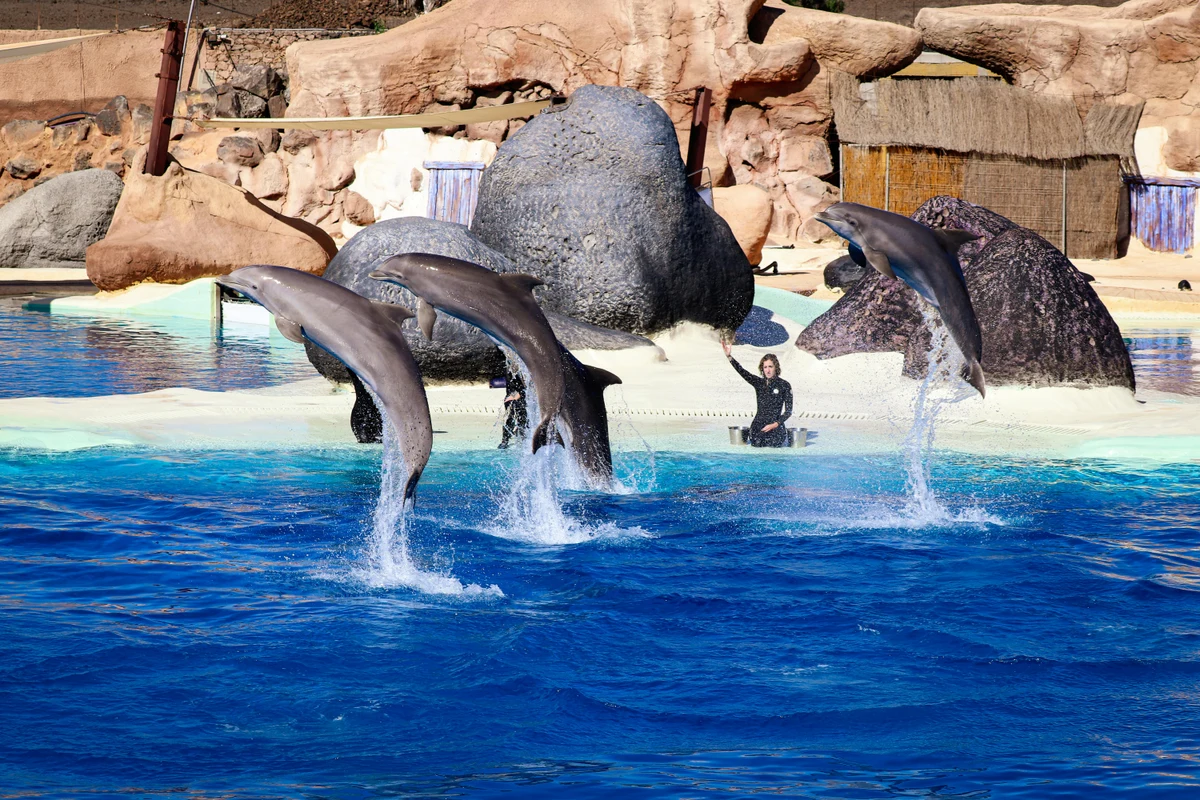
Here, wildlife hides in plain sight. Spinner dolphins rest over shallow plateaus by day, then hunt offshore at night. Your boat hugs reef contours, scanning for slicks and synchronized surfacing. Visibility runs 20–40 meters, and most guided snorkels hover over five to twelve meters, perfect for families and photographers. Success relies on patience, reading water, and strict no-chase etiquette.
Where to Do It
Classic hotspots string down the coast: Dolphin House (Sha’ab El Erg) off Hurghada, Samadai Reef near Marsa Alam, and Ras Mohammed’s blue edges from Sharm El Sheikh. For Marsa Alam, consider the protected Samadai zone via this Dolphin House day trip. North of Hurghada, small-boat runs from El Gouna focus on reef lips and quiet lagoons; see this dolphin tour from El Gouna. For broader planning, scan our top dolphin watching locations.
Best Time / Conditions
Early departures catch calm seas, better spotting light, and resting pods. Peak clarity arrives September to November, when winds ease and currents run steady. Water temperatures sit around 23–25°C in winter and 27–29°C in late summer. Watch reef edges when the sun sits low: sheen, ripples, and baitfish showers often herald a pod passing.

What to Expect
Typical days include a 45–90 minute run to the reef, two to three guided snorkels, and unhurried surface watching. You may observe dolphins from the boat or drift nearby under guide supervision. On southern itineraries, the offshore jump can be longer, so plan for extra shade and hydration. Whale encounters are rare and strictly viewing-only—an unforgettable bonus, never the goal.
Who This Is For
Wildlife lovers who value patience over guarantees, families with confident swimmers, underwater photographers, and ocean-first travelers. You should be comfortable snorkeling in moderate chop and following briefings to the letter. Non-swimmers still enjoy surface sightings and glassy-morning scans along the reef line, with binoculars improving your range without edging closer by boat.
Booking & Logistics
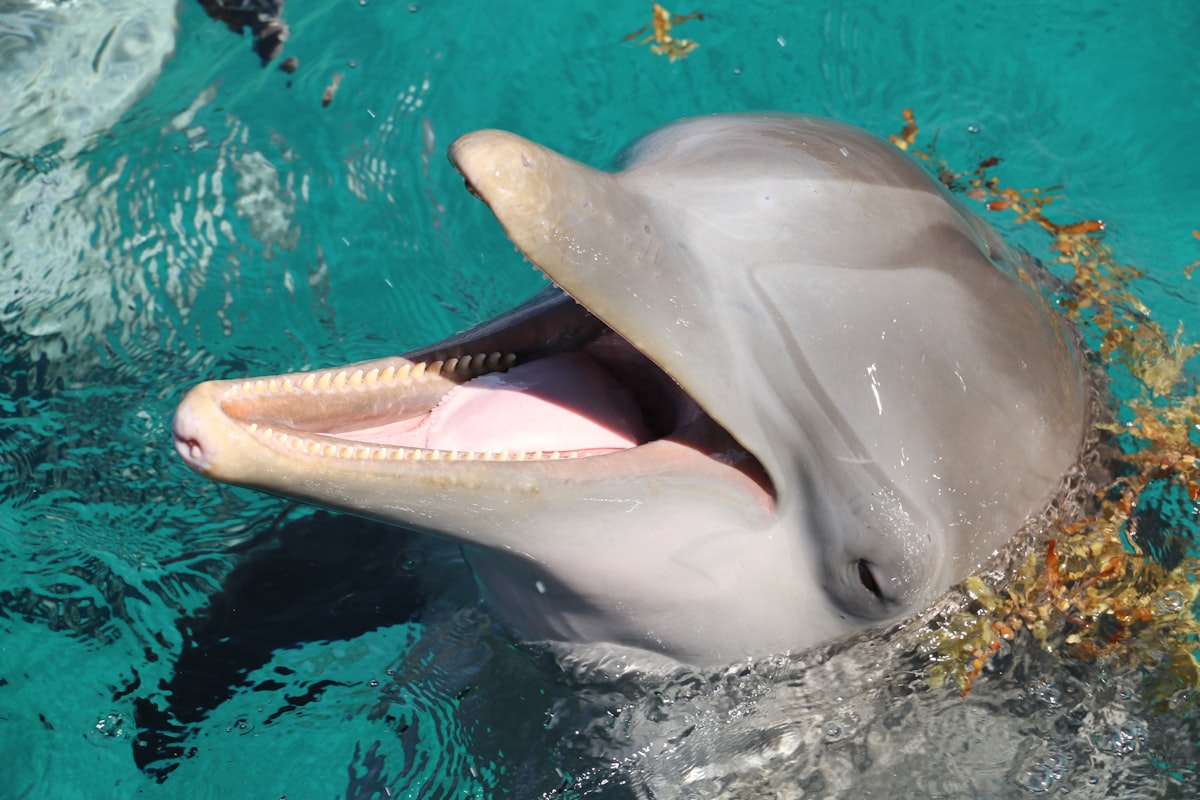
Choose small-group operators with clear dolphin protocols and licensed guides. Ask about maximum group size, rotation times in-water, and engine-off approaches. Bring a 3 mm suit in winter, rash guard in summer, reef-safe sunscreen, and a snug mask. Expect buoyancy aids for children. Distances vary by site; offshore reefs often sit 10–25 km from harbor, so pack snacks and a dry layer.
Sustainable Practices
Never box in pods, never touch, and keep engines in neutral during approaches. Time in-water should be short, with rotations and a minimum 50-meter buffer if dolphins show avoidance. At Samadai, ranger zoning enforces these rules—embrace them. For deeper context and welfare tips, read our guide to ethical dolphin watching in Hurghada before you book.
FAQs
Below are the questions travelers ask most before a dolphin-focused day on the Red Sea. Use them to set expectations and refine your plan, from odds of sightings to gear choices. The short version: go early, stay small-group, respect signals from the pod, and let the reef’s contours—not a crowd—set your route.
How likely am I to see dolphins?
Wildlife is never guaranteed, but patient boats following reef edges at dawn have good odds in known hotspots. Expect guides to scan for coordinated surfacing, arcs, and slicks. If conditions align—calm seas, workable current, and a resting pod—sightings are common. If dolphins signal avoidance, observing from the boat remains the ethical choice.
Can I swim with dolphins here?
Yes, where allowed and under strict protocols. Expect controlled entries, neutral buoyancy, and short rotations near five to twelve meters over sand or coral garden. No touching, no diving toward the pod, and always yield the right of way. Families and newer snorkelers can use vests or noodles and still enjoy excellent views.
What about whales—where and how?
Whale encounters are rare in the Egyptian Red Sea and purely opportunistic. Your best chance is on clear, calm mornings along deep-water drop-offs, watching quietly from the bow with engines low. Look for distant blows and long, arcing backs in the blue. All encounters are viewing-only; boats should maintain generous stand-off distances.
Let dawn, reef lines, and restraint guide your day. When boats move with care, the sea often answers—silver arcs at sunrise, a glittering snorkel over easy depths, and, sometimes, a shadow rising from the blue. Start in Hurghada’s sheltered waters, sample Marsa Alam’s sanctuaries, and carry the ethic forward wherever you roam along Egypt’s Red Sea.


