
Dawn With Dolphins: Marsa Alam’s Wild, Responsible Swim at Sataya and Samadai
Quick Summary: A dawn boat from Marsa Alam glides to Sataya and Samadai for ethical, in-the-blue swims with spinner dolphins—no shows, no touching, just wild grace.
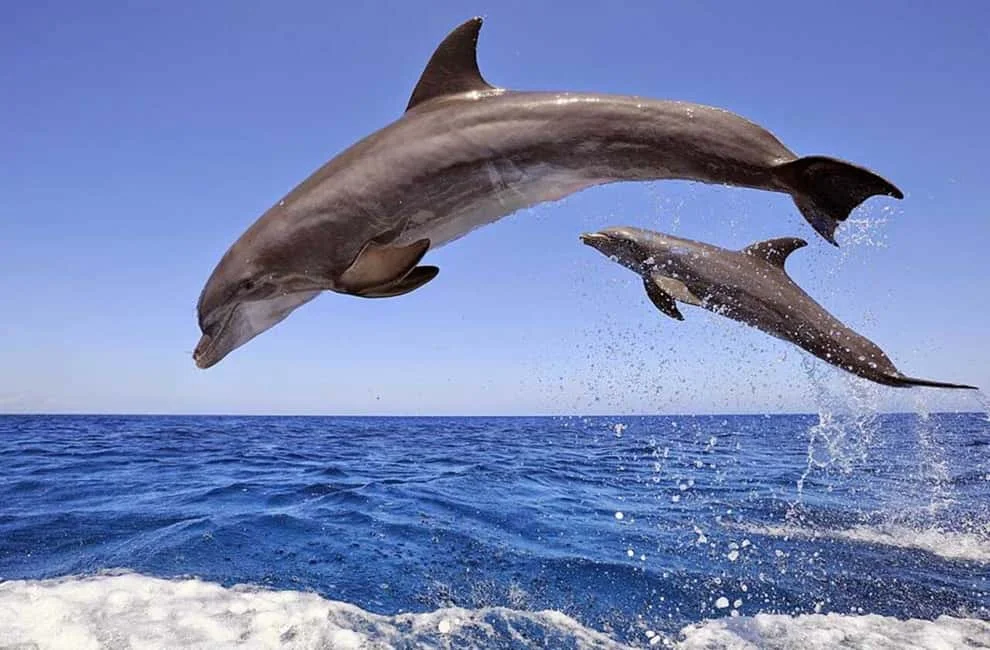
The sea is still pink when the first fin breaks the surface. A spinner dolphin arcs cleanly, then another, until the lagoon seems ringed with commas of silver. At Sataya and Samadai, the ritual is quiet—no loudspeakers, no penned tricks—just a pod at dawn, circling shallow bays where the Red Sea breathes in and out with the day.
What Makes This Experience Unique
Here the spectacle isn’t choreographed; it’s consent-based. Spinners use Sataya’s and Samadai’s lagoons to rest and socialize, often in 3–12 m of water, so you observe from the surface as they choose to pass beneath. Expect breezy acrobatics at the margins, hushed drifting in the middle, and a strong conservation code that prevents crowding.
Where to Do It
South of Marsa Alam, Sataya (in the Fury Shoals) is a full-day outing renowned for calm, glassy mornings and frequent pods; many travelers opt for a Sataya Reef dolphin snorkeling tour. Closer in, Samadai—“Dolphin House”—is a protected crescent reef with ranger oversight, usually reached on a dedicated Samadai boat trip. For broader context, see Routri’s guide to the best dolphin watching spots in the Red Sea.
Best Time / Conditions
Early mornings bring lighter winds and cooperative seas; most boats aim to be moored by sunrise. Water temperatures hover around 26–30°C in summer and 22–24°C in winter, with visibility often 20–30 m. Peak calm stretches fall between late spring and autumn, though winter can deliver crystalline, crowd-free days.
What to Expect
Samadai is typically a shorter ride; Sataya often involves a pre-dawn transfer then a 1.5–3-hour sail, depending on departure port. Snorkeling is the norm—no tanks needed. You’ll drift quietly above seagrass and coral shelves as dolphins pass by at their discretion. Photographers, pack a red filter and wide lens; see Routri’s Red Sea underwater photography tips.
Who This Is For
If you crave unforced encounters and can be patient, this is your swim. Confident snorkelers, freedivers content to stay shallow, mindful families, and wildlife lovers will all thrive. If you expect guaranteed tricks or close contact, recalibrate: the reward here is proximity without pressure, guided by the pod’s mood and the sea’s tempo.
Booking & Logistics
Choose reputable operators that brief small groups, rotate entries, and avoid chasing pods. Expect hotel pickup, breakfast aboard, and two to three snorkel sessions. Sataya often departs from Hamata; plan a long day. Deciding your base? Compare vibes and access in Marsa Alam vs Sharm El Sheikh. Bring a 3 mm suit in winter, rash guard year-round, and reef-safe sunscreen.
Sustainable Practices
Follow ranger and guide instructions: observe at 5+ m, never touch or intercept, and keep splashing low. Avoid drops directly into resting pods; drift at the periphery and let them approach. No flash, chasing, drones, or feeding. For broader do’s and don’ts across the region, see Routri’s Red Sea wildlife safety guide.
FAQs
This is wild nature—glorious and capricious. Sightings are frequent at both reefs, but never guaranteed. Wind, visibility, and pod behavior dictate your session. Ethical crews will wait patiently, adjust timing, or switch to coral gardens and turtle meadows if dolphins are resting deep. Either way, you’ll be in beautiful water with calm, shallow habitats.
Is it okay to dive down toward the pod?
No. Both reefs prioritize the dolphins’ rest. Freediving directly into a pod can scatter or stress them. Most operators limit guests to surface snorkeling with relaxed finning; descents are kept shallow and outside core resting areas. You’ll see more by pausing at the edge, keeping a low profile, and letting curiosity bring dolphins toward you.
Can children or beginners join these trips?
Yes, if they’re comfortable in the sea and can follow instructions. Life vests, noodles, or tow lines are provided on family-friendly boats, and guides typically keep entries short and supervised. Conditions are usually gentle inside the lagoons, but wind can rise later; booking morning sessions and staying close to the guide keeps things easy.
Which is better: Sataya or Samadai?
They complement each other. Sataya’s broad lagoon can host sizable pods and velvet-calm mornings; it’s a longer expedition but often sublime. Samadai is closer and tightly managed with zoning that protects resting areas. If time’s short, pick Samadai; if you want the full-day, horizon-wide experience, choose Sataya—or do both on separate days.
At dawn, when the reef hushes and the pod folds back into the blue, you carry more than a memory—you carry a promise to meet the sea on its terms. In Marsa Alam, that promise feels easy to keep.


