
Top 10 Red Sea Adventures: Reefs, Wind, and Desert Rush
Quick Summary: The Red Sea fuses living reefs with Sahara edges for a seamless adrenaline circuit—wrecks, drifts, wind sports, and dune rides—curated here by level, season, and the most reliable hubs to book and go.
Where living reefs meet endless desert, adventure doesn’t pause between elements—it simply changes medium. Think silent wreck penetrations before lunch, a wind-powered session by afternoon, and a dune ride to catch a molten sunset. Base in Hurghada for effortless boats and nightlife—start with the detailed Hurghada Travel Guide.
What Makes This Experience Unique
The Red Sea’s thrill matrix is compact and continuous: 20–40 m visibility, bath-warm water, and shore-to-desert transitions in under an hour. It’s one of few places you can drift a coral wall, kite a waist-deep lagoon, then chase echoing canyons by quad—same day, same sky. Adrenaline, but without logistical friction.
Where to Do It
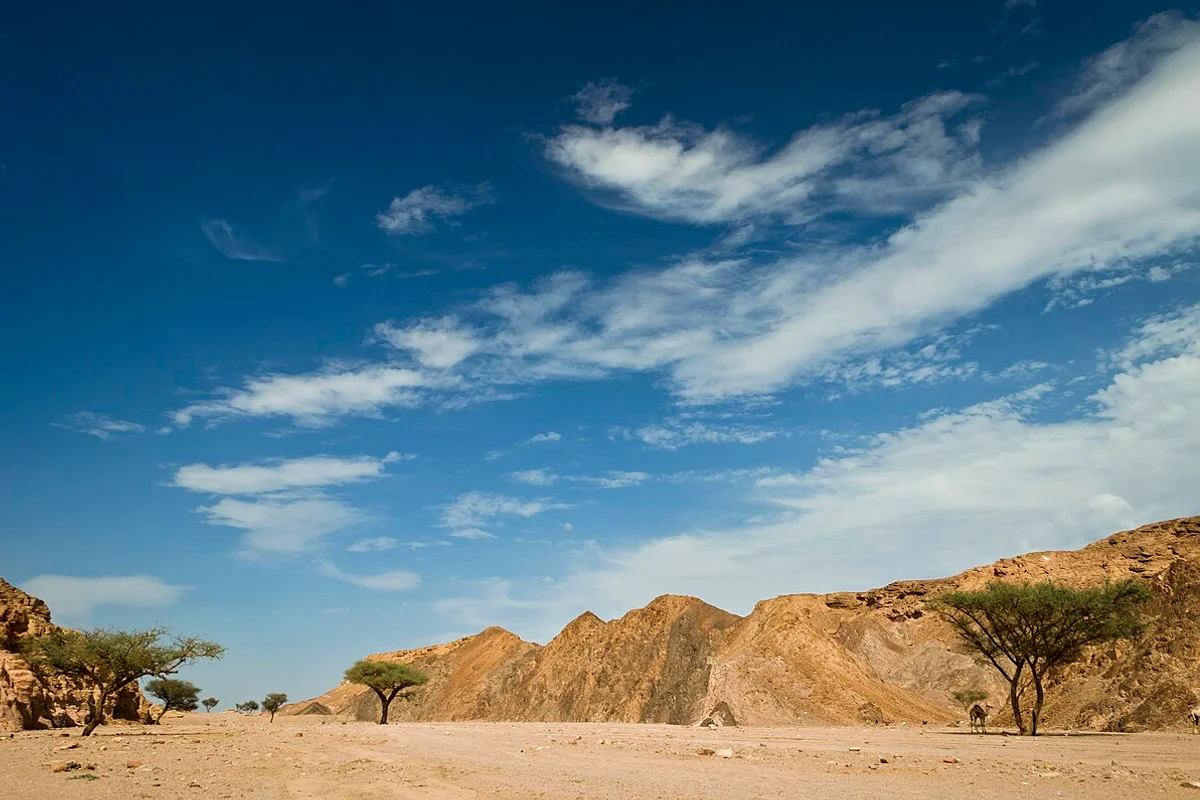
For wrecks and easy boats, Hurghada and Sharm are classics; Dahab adds soulful wind and depth training—see the Dahab Travel Guide. Kiteboarders gravitate to El Gouna’s buttery flats—skim our El Gouna kitesurfing spots. South, Marsa Alam brings turtles and calm shore entries. Ras Mohammed’s walls serve iconic drifts; canyons lace the Sinai interior.
Best Time / Conditions
Winds peak autumn to spring, ideal for kites and sails; summer brings steady breezes with warmer air. Water stays roughly 22–29°C; visibility is reliably high. Divers favor spring and autumn for temperate seas, while advanced pelagic chasers eye late-year currents. Desert rides run year-round, with golden-hour sessions favored for cooler air.
What to Expect
Choose your ten: SS Thistlegorm wreck (deck ~18 m, seabed ~30 m), Ras Mohammed drift walls, Marsa Alam turtle meadows, El Gouna kiting, Dahab windsurfing, Blue Hole freediving, Sharm canyon hikes, colored-canyon scrambles, ATV dune runs, and night dives chasing bioluminescence. Certified divers can hop a Hurghada wreck diving day trip with two guided immersions and lunch onboard.
Who This Is For
New to adventure? Start with sheltered snorkel bays, shore-entry dives, and lesson-based kites in lagoons. Intermediates will love Ras Mohammed drifts, entry-level canyon circuits, and progression clinics. Experts can layer tech dives, foil kiting, longer desert enduros, and performance freediving—always with pro operators, chase boats, and spotters dialed to local conditions.
Booking & Logistics
Day boats typically cast off between 8–9 AM; bring cards and cash, plus your logbook and insurance details. Desert safaris run 2–4 hours; sunrise and sunset windows are cooler and photogenic. For pure throttle, book an ATV quad safari from Sharm El Sheikh. Lessons, rentals, and permits are streamlined via reputable centers—reserve wind gear ahead in peak weeks.
Sustainable Practices
Reef life is resilient but not invincible. Wear long-sleeves and reef-safe sunscreen, refine buoyancy, and never touch coral or turtles. Keep fins high over seagrass; refuse single-use plastics on boats. Desert-side, stay on existing tracks and pack out all waste. For deeper guidance, read our sustainable Red Sea travel guide.
FAQs
This region rewards smart sequencing. Base near your primary goal—wrecks, wind, or desert—and layer shorter sessions around it. For a week, plan three boat days, two wind days, and a desert sunset ride, with one recovery or spa day in between. The result: high stoke, low fatigue, and safer decision-making.
Do I need to be certified for the best dives?
For the marquee wrecks and drift walls, yes—an Open Water (and often Advanced) certification plus recent logged dives. Beginners can still join intro dives on sheltered reefs with an instructor. Many centers offer refresher modules and nitrox courses that extend safe bottom times on multi-dive days.
Is Dahab’s Blue Hole suitable for beginners?
It’s a technical site. Recreational scuba stays shallow on the reef saddle with strict depth control; freediving requires coached sessions, lines, and safety protocols. If you’re new, train skills in the Lighthouse area first, then progress under qualified supervision. Respect the site’s reputation and local guidance.
What wind gear should I pack for El Gouna?
Lagoons favor medium kites or freeride sails most of the year; foilers can size down. Bring a shorty or thin full suit for shoulder seasons, booties for shell-strewn entries, and impact vest/helmet if learning. Weight limits apply on domestic flights—confirm rental quivers and pre-book sizes in peak months.
The Red Sea is a choose-your-thrill canvas: a place where you can pivot from silent holds underwater to wind-whipped sprints and dune horizons—without losing a day to transfers. Pick your base, pace the highs with rest, and let sea and sand alternate as your fuel.


