
Top 5 Red Sea Water Sports: Match Your Thrill to the Perfect Spot
Quick Summary: The Red Sea is a choose-your-rush coastline: drift-snorkel Ras Mohammed, fin with turtles at Abu Dabbab, kite glassy lagoons in El Gouna and Soma Bay, chase dolphins at Sataya, or wakeboard smooth cable lines. Here’s how to pair each experience with the right spot and season.
Here’s the Red Sea at its best: a boat idles beside Ras Mohammed’s crystalline wall, and you slide into 30 meters of visibility as anthias flicker orange. South, a turtle grazes calmly in Abu Dabbab’s seagrass. Back north, a seabreeze ignites El Gouna’s lagoons beside El Gouna’s Abu Tig Marina, while cable lines hum at sunset.
What Makes This Experience Unique
The Red Sea compresses wildly different aquatic moods into one coastline. You can drift-snorkel Ras Mohammed’s reef edge like a moving aquarium, then fin with turtles in Marsa Alam’s sandy bays, ride 15–25-knot thermals across mirror-flat lagoons, or lap cable lines with surgical consistency. The switch from vivid reef to silky wind sport is minutes, not continents.

Where to Do It
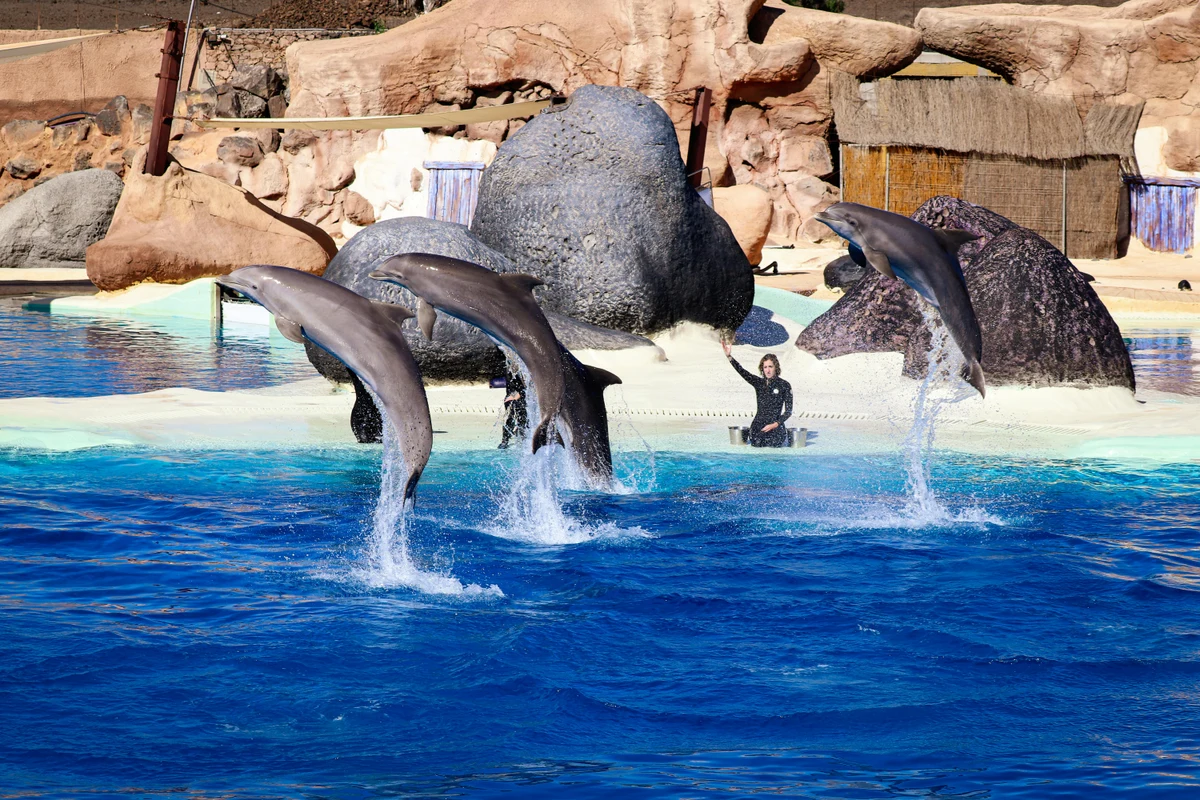
Target five marquee experiences: Ras Mohammed’s drop-offs from Sharm (boat rides typically 60–90 minutes) for drift snorkeling; Abu Dabbab in Marsa Alam for reliable turtle meadows; Sataya Dolphin House for wide-lagoon dolphin encounters; Soma Bay for beginner‑friendly kite flats; and El Gouna for both lagoon kiting and Sliders Cable Park wake laps. Hurghada to El Gouna transfers run about 30–40 minutes by road.
Best Time / Conditions
Wind sports peak March–May and September–November, with steady thermals and warm, manageable seas; summer can be windier but hotter. Snorkeling and diving enjoy year‑round 20–40 m visibility, with water temps roughly 22–29°C. Calm mornings favor turtles and dolphins; drift snorkels work best when currents run but surface stays manageable.

What to Expect
On Ras Mohammed days, expect 2–3 snorkel or dive stops over reef gardens and drop-offs; currents do the work while guides keep groups tight. Abu Dabbab means easy shore entries and long turtle watches over seagrass (3–8 m). Wind days are waist‑deep, forgiving flats with rescue cover. Cable sessions deliver repeatable features and smooth progression.
Who This Is For
Families and first-timers thrive on Abu Dabbab’s sandy entries and gentle depths. Confident swimmers love Ras Mohammed’s drifts without needing scuba. Intermediates target El Gouna or Soma Bay for progression in flat water. Advanced riders chase longer tacks and foiling offshore. Wreck lovers can add advanced dives from Sharm once skills and certifications align.
Booking & Logistics
Pre-book popular staples like a Ras Mohammed National Park snorkeling tour and Marsa Alam’s Sataya Dolphin House snorkel. Choose operators with capped group sizes, mooring-buoy use, and solid safety briefings. For reef days, browse vetted snorkeling tours. Kite travelers book lessons and storage ahead; boarders can reserve cable sets at peak times.
Sustainable Practices
Think buoyancy and distance: keep fins high over coral and never touch marine life. With dolphins, stay surface‑only and outside their path; five meters is a prudent minimum. Use mineral or biodegradable sunscreen and rash guards. Pick boats that avoid anchoring on coral and practice waste‑free decks; quick refreshers reduce accidental contact.
FAQs
Below are essentials travelers ask before they commit to a water-sports itinerary: what to pack, how conditions feel month by month, and whether wildlife encounters are guaranteed. These answers align experiences to comfort levels, so mixed groups can split days—reef one morning, wind the next—without compromising safety, progress, or the fun factor.
Do I need a wetsuit for the Red Sea?
Most months, a 3 mm shorty or full suit is comfortable; cooler spells and longer drift sessions favor a 5 mm, especially if you get cold. Wind athletes often use thin neoprene tops to cut breeze chill. Rash guards and reef booties help on shallow entries and reduce sunscreen load on the reef.
Can I guarantee turtles or dolphins?
No operator can guarantee sightings, but Abu Dabbab’s seagrass meadows deliver frequent turtle encounters, and Sataya often hosts spinner pods. Early departures, respectful distances, and patient, quiet time in the water improve odds. Guides track conditions daily and choose sites accordingly to maximize encounters while minimizing wildlife stress.
Where should mixed-skill groups base themselves?
El Gouna works brilliantly: lagoon kiting, cable laps, and easy boat snorkels in one compact footprint near Abu Tig Marina. For quieter, more polished water time, choose Soma Bay. If reefs lead, base in Sharm for Ras Mohammed, or Marsa Alam for Abu Dabbab and Sataya day boats.
Pick your mood each morning—drift above Ras Mohammed’s living walls, then swap fins for a kite and let the thermals tow you across a luminous lagoon. For seasonal nuance on wind, see our kitesurfing and windsurfing in Soma Bay & El Gouna guide; for reef days, start with curated snorkeling tours and build out from there.


