
Red Sea Snorkeling for Beginners: Calm Reefs, Clear Confidence
Quick Summary: Start in sheltered bays and shallow coral gardens, time your swim for calm mornings, bring simple gear that fits well, and follow gentle reef etiquette. With a few confidence cues, your first Red Sea snorkel feels relaxed, colorful, and unforgettable.
Imagine slipping into water as clear as spun glass, fins barely stirring the surface while a confetti of orange anthias flickers over coral heads. From the protected shelves of Ras Mohammed National Park to the shore-friendly reefs of Dahab, the Red Sea is a gentle classroom. Choose shallow gardens, breathe slowly, and let the sea carry you—confidence grows with every easy, fish-bright meter.
What Makes This Experience Unique
The Red Sea pairs aquarium-clear visibility—often 20–30 meters—with beginner-friendly coral terraces that start in knee- to chest-deep water. Soft afternoon light paints fire corals gold; morning calm turns surface ripples into silk. You’re learning skills in living color: slow breaths, light kicks, and effortless floating above reefs that feel close enough to touch—but never should.

Where to Do It
Start with calm, shallow sites: sheltered stops near Orange Bay off Hurghada, lighthouse-access reefs in Dahab, and sandy entries near Sharm El Sheikh. In Sharm, boats reach the protected ledges of Ras Mohammed, where coral gardens begin shallow and conditions are often forgiving. Gentle lagoons in El Gouna and seagrass bays in Marsa Alam add variety without complexity.
Best Time / Conditions
For warm, glassy seas and beginner comfort, aim for April–May or late September–November. Water commonly sits around 22–30°C, with lighter winds early and the clearest, calmest sessions usually before midday. Check forecasts for northerlies; leeward reefs stay friendlier. After lunch, return to sandbars or lagoons if the breeze starts to pick up.
What to Expect
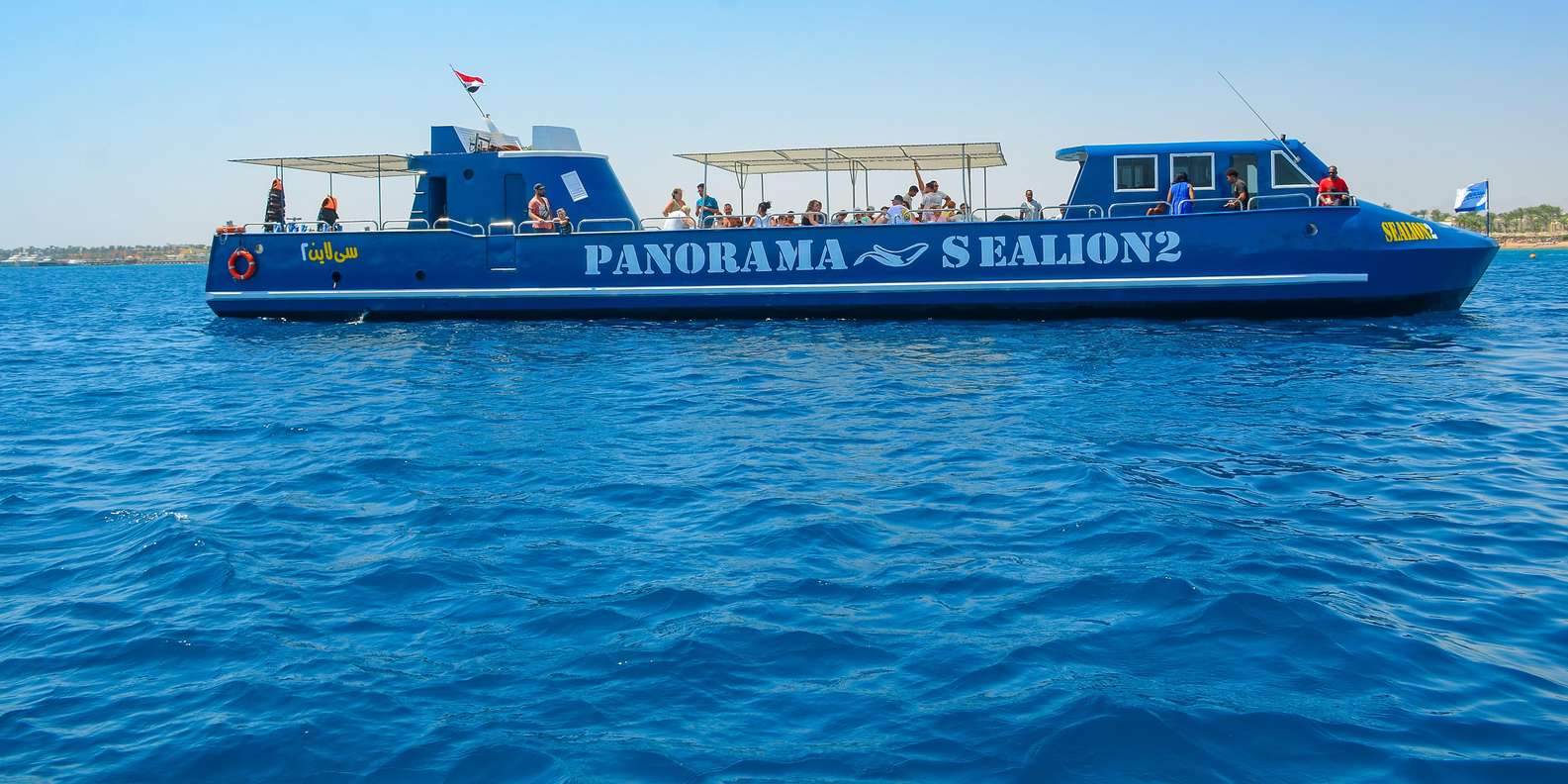
Expect slow, guided drifts over coral heads in 1–5 meters, with easy boat ladders or sandy walk-ins and plenty of surface support. A snug mask, short fins, and a simple snorkel vest ease nerves; practice a few face-down breaths before moving off. Review essential beginner snorkeling safety tips the night before so the steps feel second nature on deck.
Who This Is For
First-timers, cautious swimmers, curious families, and anyone who prefers slow color to high adrenaline. If you’re comfortable floating unaided for a few minutes and can breathe calmly through a snorkel at the pool or beach edge, the Red Sea’s gentle gardens will do the rest. Guides adjust routes, pace, and depth to match your comfort—not the other way around.

Booking & Logistics
Choose operators that keep groups small, provide float lines, and brief entry/exit clearly. From Sharm, the park gate is roughly 12 kilometers by road, with boats staging nearby for short hops to reef shelves. In Hurghada, day boats combine Orange Bay sand-time with two mellow reef stops—ideal intervals to practice, reset, and build confidence.
Sustainable Practices
Your calm, careful habits protect the reefs you came to see. Float horizontal, keep fins up, and give coral a full fin’s distance. Never stand on the reef or chase wildlife; let turtles and rays choose the encounter. Use mineral, reef-considerate sunscreen or wear a long-sleeve rash guard, and keep snacks, plastics, and gear well secured on deck.
FAQs
New to snorkeling? These quick answers keep nerves low and enjoyment high. You’ll learn to breathe slowly, trust your buoyancy, and move deliberately so the sea feels supportive, not intimidating. Think of it as a relaxed lesson: practice near the boat or shore first, then glide in the shallows before following your guide across the coral garden.
Do I need to be a strong swimmer?
No—basic comfort in the water is enough. You’ll wear fins, can use a snorkel vest, and stay close to a guide and float line. Sessions begin in shallow, calm water so you can practice face-down breathing and relaxed kicking before any gentle drift. If nervous, stay within arm’s reach of the guide.
What should I bring or rent for my first snorkel?
Bring a well-fitting mask, short fins, rash guard, and a snorkel with a purge valve. Most boats supply vests and spare gear, but a personal mask prevents leaks and fogging. Pack reef-considerate sunscreen, a light towel, water, and a dry bag. Defog solution or baby shampoo helps keep your view crystal-clear.
Are currents or waves a risk for beginners?
Beginner sites are chosen for protection from wind and current; guides check conditions and select leeward reefs. Mornings are typically calmer. If you feel a push, stay horizontal, keep fins high, and follow your guide’s line back to the boat or beach. Avoid standing—kick gently and float clear of coral while you regroup.
When the sea feels like silk and every breath slows, the reef opens up—soft corals unfurl, parrotfish crunch, and turtles glide by unbothered. For next steps, plan mellow day boats in Sharm using this roundup of the best snorkeling spots near Sharm El Sheikh, then return to Hurghada’s sandbars once your confidence—and curiosity—grows.


