
Beginner Snorkeler’s Calm: Safety-First Ways to Float the Red Sea
Quick Summary: Start slow in sheltered bays, master your mask fit and breathing at the surface, use a snorkel vest if unsure, follow your guide’s brief, and keep fins and curiosity—never your feet—on the reef. Pick calm mornings, reef‑safe habits, and trusted local operators.
First-time jitters soften the moment your face meets warm, glassy Red Sea water. You hear your breath, feel the vest’s buoyancy, and watch a flicker of anthias spill over coral heads. The trick is preparation: a mask that seals, fins you control, a patient guide, and a route chosen for today’s wind and you—not your bravado.
What Makes This Experience Unique
The Red Sea’s fringing reefs come astonishingly close to shore, so beginners can see blockbuster color without deep water or long swims. House reefs, moored boats, and lifeguarded jetties make entries methodical and calm. Pair clear visibility with gentle surface drifts and you can learn skills slowly—mask clear, relaxed kick, buddy awareness—while never leaving the reef top.
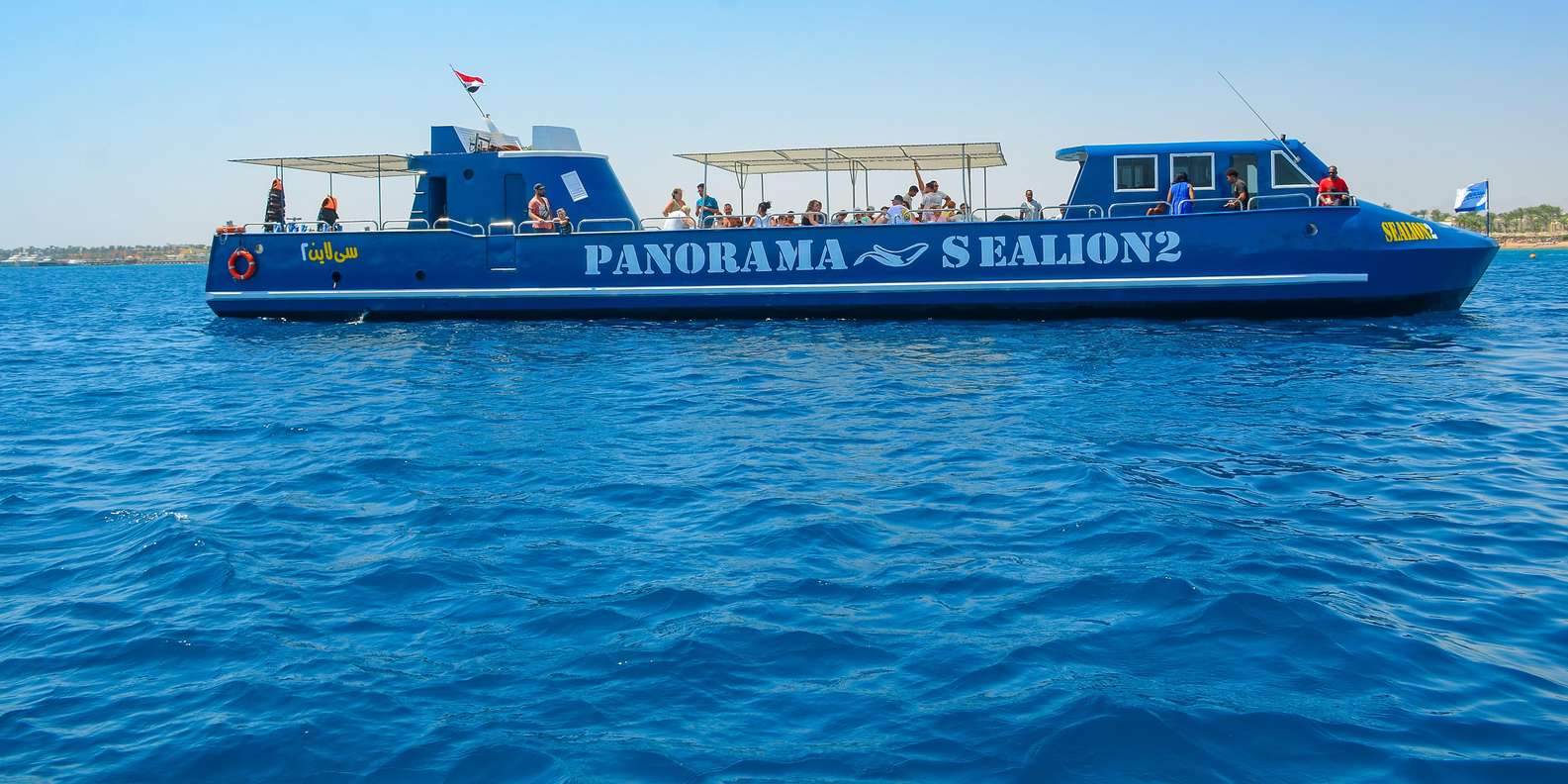
Where to Do It
. Animal lovers: a.Best Time / Conditions
.
What to Expect
. Visibility is typically excellent; relax, breathe slowly, and keep your hands off the coral.Who This Is For
First-timers, families, cautious swimmers, and rusty snorkelers who want guided, shallow color without waves or crowds. A snorkel vest or shorty wetsuit adds warm, reassuring buoyancy. Comfortable swimmers will still appreciate structured routes, especially on breezier days. If you’re anxious, tell your guide; they’ll adapt: shorter drifts, handline assists, and frequent rests near the boat.

Booking & Logistics
Reserve with operators using accredited guides (PADI/CMAS), small groups, and safety kit (throw lines, first aid, oxygen). Ask for vests, anti-fog, and boat ladders with handrails. Bring reef-safe sunscreen, a long-sleeve rash guard, water, and a spare mask strap. If you wear prescription lenses, arrange a corrective mask before departure or request one when booking.
Sustainable Practices
Your calm is the reef’s calm. Float horizontal, frog-kick gently, and keep at least two meters from turtles and five from dolphins. Never stand on coral, touch, or feed fish; sediments and sunscreen harm polyps, so use mineral, reef-safe lotions and long sleeves. Secure dangling gear, practice neutral buoyancy at the surface, and pack out any litter you find.
FAQs
Beginner safety is equal parts fit, conditions, and mindset. Practice breathing through your snorkel poolside or in knee-deep water first, then graduate to a shallow, sheltered reef with a guide. Keep movements unhurried, use a vest if you’re unsure, and stay with your buddy or group. If anything feels off, stop, signal, and reset.
How do I check that my mask fits?
Place the mask on your face without the strap, inhale gently through your nose, and feel for a light seal; it should stay in place hands-free. Tightening too much causes leaks. Defog before entry, rinse, and avoid touching the inner lens after. If facial hair disrupts the seal, use a small amount of silicone-safe sealant or shave.
Is a life jacket or snorkel vest better?
For snorkeling, a dedicated snorkel vest is ideal: it keeps you buoyant face-down while allowing you to deflate slightly for easier kicking and ducking shallowly. Life jackets are bulkier and orient you face-up, which can fight your finning. If you’re nervous, leave a little extra air in the vest and stay near the guide line.
What should beginners avoid on Red Sea reefs?
Avoid standing on coral, kicking downward, or chasing marine life. Don’t separate from your group, ignore briefings, or push into choppy, windblown corners. Skip oily sunscreens and anything that dangles. If currents freshen, exit early along the mooring line. Tired or cold? Say so; good boats have warm drinks, shade, and dry towels waiting.
.

