
Elphinstone Reef Diving, Ready: Calm-Season Thrills and Coral Hush
Quick Summary: Get readiness right—calm-season windows, briefings, and drift-savvy entries—then savor Elphinstone’s signature mix: oceanic whitetips and occasional hammerheads over sheer blue, balanced by tranquil coral gardens and long-lens visibility.
Dawn off Marsa Alam and the Red Sea is a pane of glass. Your guide points seaward, where a finger of reef knifes into cobalt. One minute you’re finning over soft corals; the next, blue infinity and the unmistakable presence of a whitetip. This is Elphinstone Reef diving at its most effortless—timed, briefed, and breathtaking. Prefer a broader primer? Start with Explore the Red Sea.
What Makes This Experience Unique
Elphinstone condenses a Red Sea highlight reel into a single pinnacle: sheer walls brushed by soft corals, plateaus that glow when current softens, and pelagic flybys that quicken the pulse. You can drift alongside oceanic whitetips, then slip back to hushed gardens for a deco stop—adrenaline and serenity in one long, controlled exhale. For wider context on standout sites, see iconic Red Sea dives.
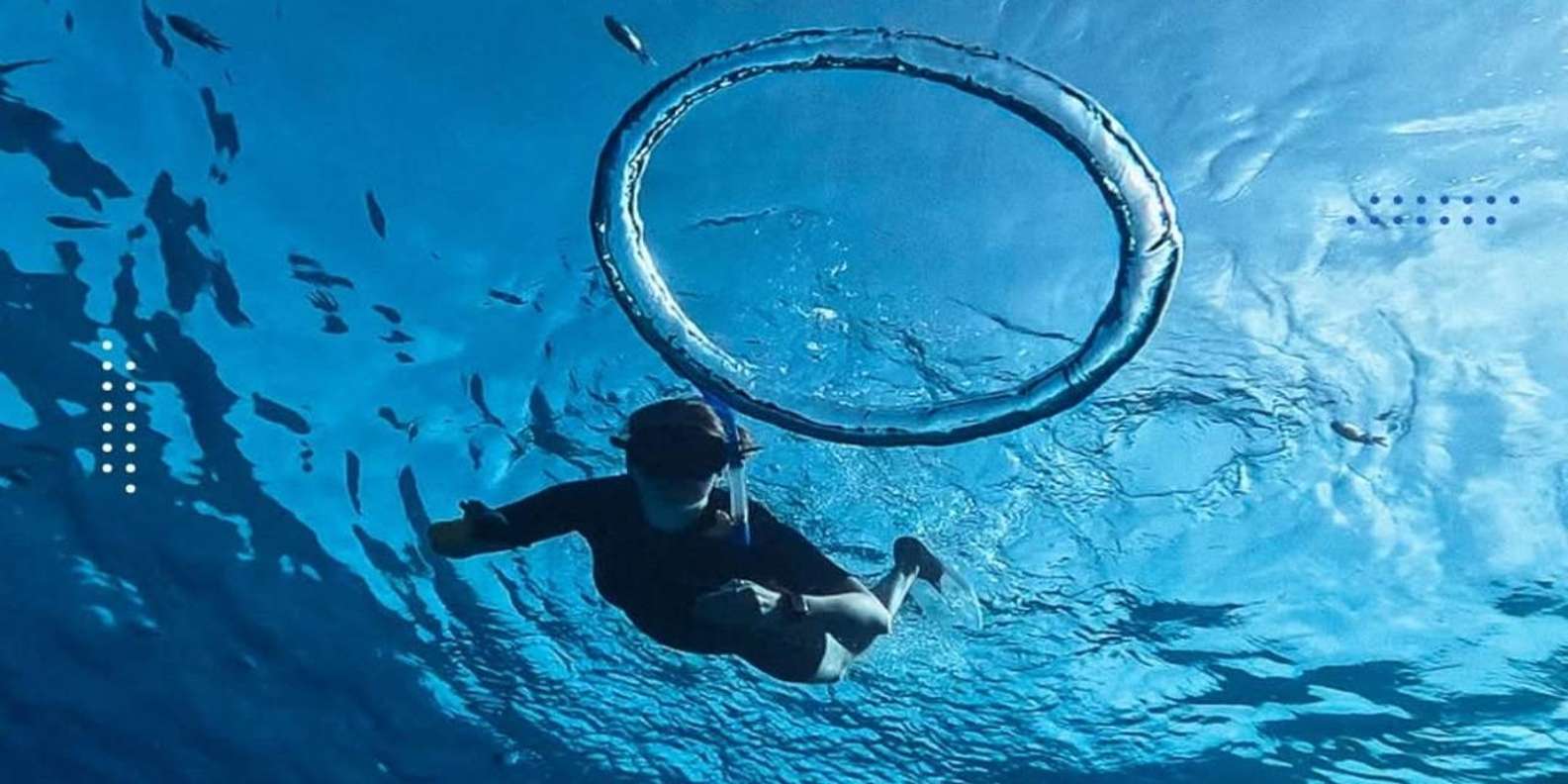
Where to Do It
Elphinstone Reef sits offshore of Egypt’s southern Red Sea, most commonly reached from the Marsa Alam area. Day boats and fast RIBs typically depart from Port Ghalib or nearby marinas, aiming to arrive early before the site gets busy and before wind chop builds. The reef itself is a long, narrow plateau-and-wall system running roughly north–south, with steep drop-offs on both sides and “north” and “south” ends that are often dived as separate profiles depending on current.
Staying in Marsa Alam (including Port Ghalib) keeps logistics simple: shorter transfers, earlier departures, and more flexibility to choose a calm window. Many divers base in coastal resorts and shuttle to the marina pre-dawn, while dedicated dive camps further south also run Elphinstone on selected days when sea state allows. If you want additional warm-up sites nearby, operators often pair your trip planning with local reefs and bays that give you drift practice and buoyancy refinement before committing to Elphinstone’s blue-water edges.
Elphinstone is also part of wider southern itineraries, especially when you’re comparing regional hubs. Sharm El Sheikh and Dahab are world-class for Straits of Tiran and Ras Mohammed, but they’re far from Elphinstone’s location; it’s not a casual day-trip from Sinai. If you’re choosing between Red Sea bases for a shark-leaning trip, Marsa Alam is the practical launch point for Elphinstone, while Hurghada, El Gouna, Makadi Bay, Sahl Hasheesh, Soma Bay, Safaga, and even Sharm El Sheikh shine for different mixes of wrecks, reefs, and easier shore diving—handy if you’re traveling with a mixed-skill group.
Best Time / Conditions
Plan Elphinstone around sea state as much as marine life. Offshore pinnacles are exposed, and wind can turn the ride and entry into a more technical proposition. In practice, the best “feel-good” days are when the surface is calmer, the current is readable, and the group can execute controlled negative entries without being scattered—conditions that tend to be more reliable in stable weather periods rather than during peak wind spells.
Water temperature in the Egyptian Red Sea typically ranges from about 22–24°C in winter up to roughly 28–30°C in late summer, and you’ll feel that difference during long hangs and safety stops in blue water. Many divers are comfortable in a 3–5 mm suit across much of the year, but if you run cold (or you’re doing repetitive days), a thicker setup in the cooler months can make your breathing and buoyancy steadier when the current picks up.
Current is the defining condition at Elphinstone. It can be gentle and flattering—perfect for drifting the wall with soft corals in full extension—or it can switch and accelerate around the tips, creating down-current and “washing machine” zones near the corners. The most shark-forward moments often happen when there’s enough flow to bring nutrients past the reef, but not so much that divers struggle to hold depth, stay with the guide, or complete a clean mid-water ascent. Your operator’s call matters here: if they change the plan from north to south, shorten the profile, or skip the second dive, it’s usually a seamanship decision, not a missed opportunity.

What to Expect
Expect an early start and a serious briefing. Most operators time Elphinstone to be on site before crowds and before wind builds, and the guide will lay out the day in practical terms: entry method (often a negative entry), descent line or reference, target depth range, turn pressure, and exactly how the group will handle separation. This is also where you confirm DSMB procedures—who shoots, when, and what to do if you surface away from the boat.
The dive itself typically begins in blue water rather than over a sandy bottom. You’ll roll in, descend promptly, and orient to the wall or plateau while your guide checks the group’s spacing and trim. Once settled, the reef delivers its signature contrasts: sheer faces with gorgonians and soft corals, then sections where you can drift with the current and let the scenery come to you. When conditions are right, oceanic whitetips cruise the edge of visibility, often appearing from the blue, circling, and slipping away—close enough to read body language, far enough to keep the interaction calm and controlled.
Mid-dive, the plan usually favors a wall or plateau route that keeps you in a manageable depth band while still giving pelagic “windows” into open water. You may see schooling jacks and barracuda in the mid-water, and reef life holds the frame: anthias clouds over coral heads, napoleon wrasse patrolling, and occasional eagle rays passing like punctuation. The safety stop is often in open water, which is why buoyancy discipline and DSMB competence are non-negotiable—this is where a calm, steady hover matters more than chasing one last pass in the blue.
Who This Is For
Confident, current-savvy divers thrive here—think Advanced Open Water (or equivalent) with drift and buoyancy dialed, and photographers comfortable with wide-angle in moving water. If you’re building toward it, log a few guided drifts and plateau dives nearby first. Weigh timing between hubs with this Marsa Alam vs Sharm El Sheikh dive guide to match season and sea states to your skills.
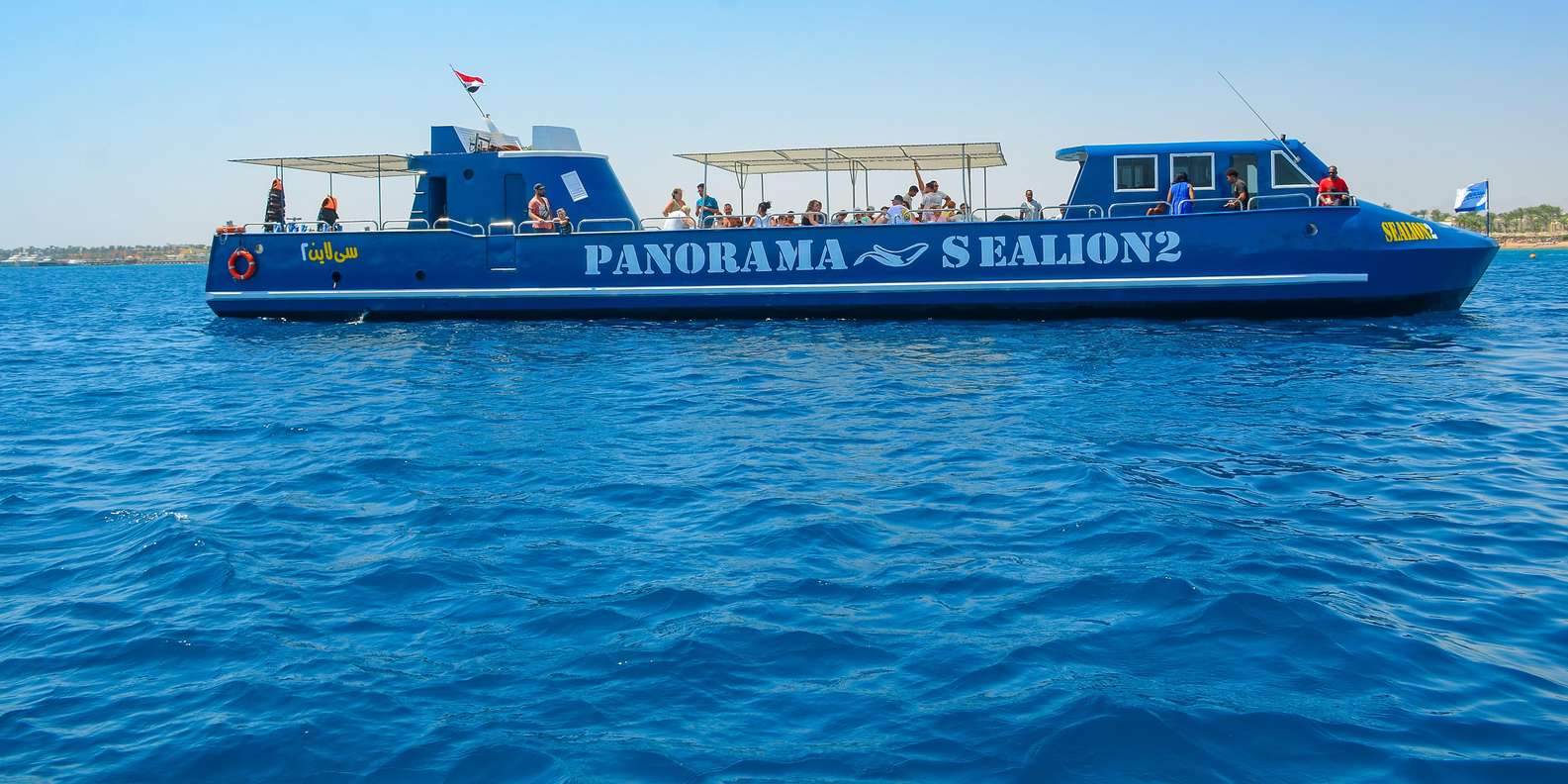
Booking & Logistics
Choose operators who run early, small-group RIBs with strong safety culture: clear lost-diver protocols, DSMBs on every diver, and radios aboard. Nitrox is common for bottom-time comfort on the plateaus; depth discipline matters on the walls. Pack a 3–5 mm suit most months, reef-safe sunscreen for surface intervals, and a focus on clean entries and tidy trim.
Sustainable Practices
Elphinstone is a high-traffic treasure; treat it as such. Don’t use reef hooks; keep fins high and buoyancy exact to avoid soft-coral contact. Never bait or chase sharks; maintain calm, lateral movement and give way. Favor mooring-buoy operators and consider trips that support monitoring or citizen science—many routes dovetail with new Red Sea dive sites and reef conservation.
FAQs
Below are the practical answers divers ask most before timing an Elphinstone plunge. They focus on readiness, safety, and what happens when conditions shift. Because this is an offshore pinnacle, planning is your superpower: the right window, the right team, and the right descent make the experience feel almost effortless.
Is Elphinstone suitable for beginners?
Generally, no. The site mixes blue-water entries, variable current, and deep walls. If you’re newer, build experience on sheltered reefs and guided drifts around Marsa Alam first, then step up with an operator who evaluates skills on a warm-up dive. Plateau-focused routes are sometimes possible when the sea is calm and current light.
How risky are oceanic whitetip encounters?
They’re powerful, inquisitive sharks that deserve respect. Risk is reduced by readiness: stay in a tight group, keep hands close, maintain eye contact, avoid surface splashing, and follow your guide’s spacing and ascent plan. No baiting, no touching, and no dangling gear. If a shark approaches, present calm, confident posture and lateral movement.
What’s the ideal gear setup?
Streamlined is best: 3–5 mm suit (or more in cool months), nitrogen-optimized gas if available, and a primary plus backup DSMB. Bring a whistle or Nautilus-type beacon if your operator recommends it, a wide-angle lens for the blue, and a strobe-ready rig for soft corals. Leave reef hooks at home; precision buoyancy protects the site.
Time it right and Elphinstone becomes a study in contrasts—pure hush over coral, heartbeat spike in the blue—without feeling hard. Use the on-site Oceanic Whitetip Shark diving at Elphinstone Reef primer for species etiquette, combine with our broader Explore the Red Sea insights, and let Marsa Alam’s offshore rhythm reframe what “effortless” diving can be.


