
Red Sea National Parks: Coral Cities, Camel Valleys
Quick Summary: In Egypt’s Red Sea parks, technicolor reefs and silent dunes meet. Pair Ras Mohammed’s world-class walls with Wadi El Gemal’s camel-dotted wadis and mangrove flats for a single itinerary where marine life, desert wildlife, and real conservation feel close enough to touch.
At dawn, the Gulf turns glassy as reef fish wake and herons hunt the shallows. By afternoon, heat lifts mirage from copper plains and a camel train moves through the wadis. In the Red Sea’s national parks, the marine and the desert are not rivals but partners—two halves of an unforgettable journey.
What Makes This Experience Unique
This coastline lets you move from kaleidoscopic coral cities to silent camel valleys in a single day. Drift past pinnacles where butterflyfish flash like confetti, then walk gravel fans etched by ancient floods. You’ll see conservation up close: mangroves buffering storms, seagrass feeding turtles, and rules that keep reefs alive for tomorrow.
Where to Do It
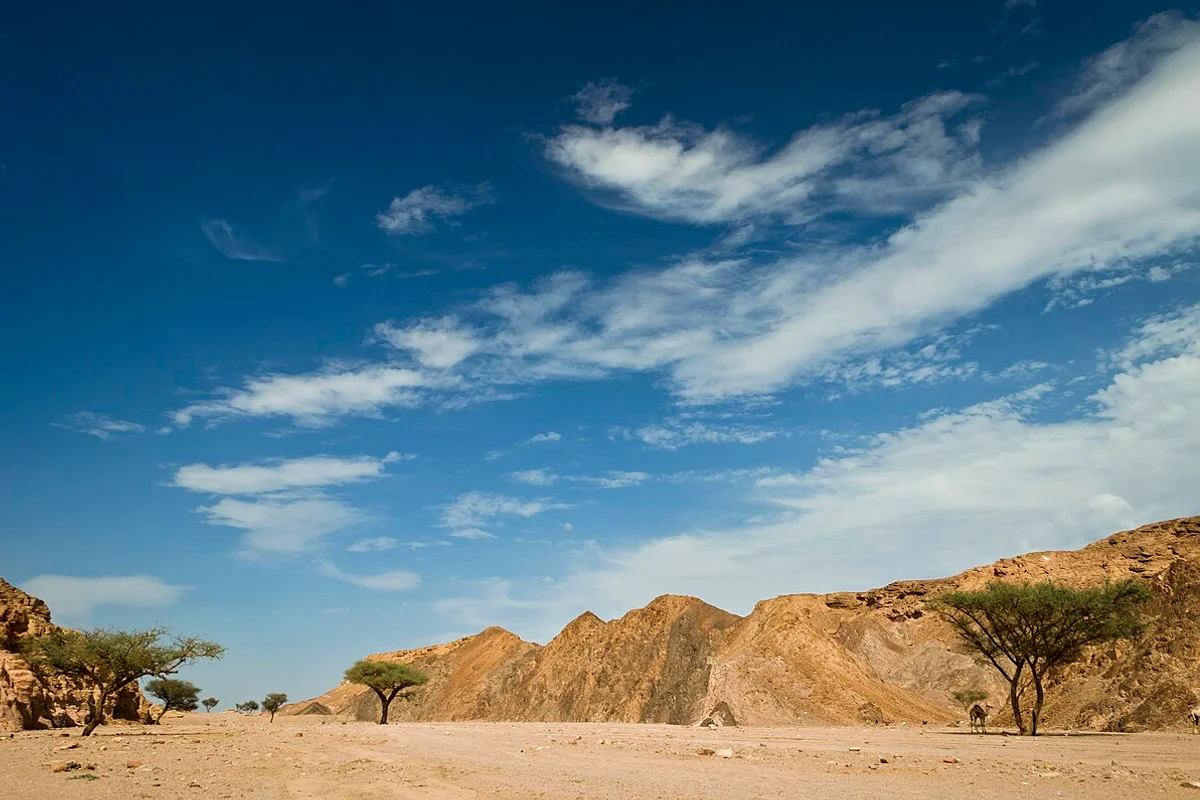
Base in Sharm El Sheikh to snorkel or sail the classic Ras Mohammed & White Island cruise, with drop-offs alive in clear blue. For desert-and-sea in one sweep, head to Wadi El Gemal National Park south of Marsa Alam, where wadis meet turtle meadows, mangroves, and untrammeled beaches.
Best Time / Conditions
October to May brings cooler air and calm seas, ideal for long snorkels and desert walks. Summer offers the warmest water—typically 26–30°C—but plan early or late outings to avoid midday heat. Expect 20–30 m underwater visibility; winter winds can bring chop, while spring currents amplify fish action along walls.

What to Expect
In the water, expect coral gardens in 1–5 m for snorkelers and dramatic walls for divers; schools of barracuda and jack often stack in the blue. On land, jeep tracks lead to Bedouin grazing routes, petroglyphs, and bird-rich lagoons. Travel light: hat, reef-safe sunscreen, water, booties, and a windproof layer for boat rides.
Who This Is For
Marine lovers who crave effortless access to big biodiversity; desert wanderers who seek silence with subtle detail; families eager for education by doing; photographers chasing color and line. Confident swimmers gain more from drift snorkels, but accessible bays and boat options keep experiences inclusive for mixed-ability groups.

Booking & Logistics
From Sharm’s resort strip, it’s roughly 30–45 minutes by road to Ras Mohammed’s gate, or board directly for boat trips from local marinas. In the south, allow 45–60 minutes from Marsa Alam to Wadi El Gemal’s coastal entrances. Parks require tickets; guided trips streamline permits, safety briefings, and gear fit, saving precious water time.
Sustainable Practices
Choose reef-safe sunscreen and long-sleeve rash guards; never stand on coral or chase wildlife. Practice perfect buoyancy and keep fins horizontal above 30–50 cm of water. On land, stay on existing tracks, carry out all waste, and support community-run camps. Your fees and choices fund rangers, moorings, and mangrove restoration.
FAQs
This coastline blends protected reefs and desert ecosystems, so common questions hinge on access and etiquette. The short answer: it’s easier than it looks. Reliable day boats, marked tracks, and ranger stations keep logistics straightforward, while simple behavior—no touching, no feeding, no drone disturbances—protects wildlife and your trip.
Do I need to be a certified diver to enjoy Ras Mohammed?
No. Many highlights sit in snorkel depth with sand channels and coral heads in 1–5 m. Day boats include guides, floats, and ladders for easy entry. Certified divers can add wall drifts, but snorkelers often see the same anthias clouds, turtles, and trevally hunting on the reef edge.
What wildlife might I see in Wadi El Gemal?
On land: camels, Nubian ibex along high ridges, desert larks, and wheatears. In the shallows: sooty gulls and ospreys patrol lagoons; offshore, green turtles graze seagrass and rays sift sandy patches. Sightings vary by heat and wind—early and late hours boost chances and keep walks comfortable.
How do park rules affect photography and drones?
Photography is welcome with leave-no-trace ethics. Avoid flash on wildlife, maintain distance, and never bait animals underwater. Drone use is typically restricted or requires prior permits; check locally with rangers or your operator. Respecting rules protects nesting birds, reduces stress on turtles, and prevents dangerous rotor downdrafts near boats.
Link sea to sand, then back again: walls and gardens off Sharm sparkle with seasonal currents—start with the best scuba dive sites in Sharm el Sheikh—then slow down in the south with turtles and quiet bays in this practical Marsa Alam diving guide. One horizon, two worlds—and a shared future worth traveling for.


